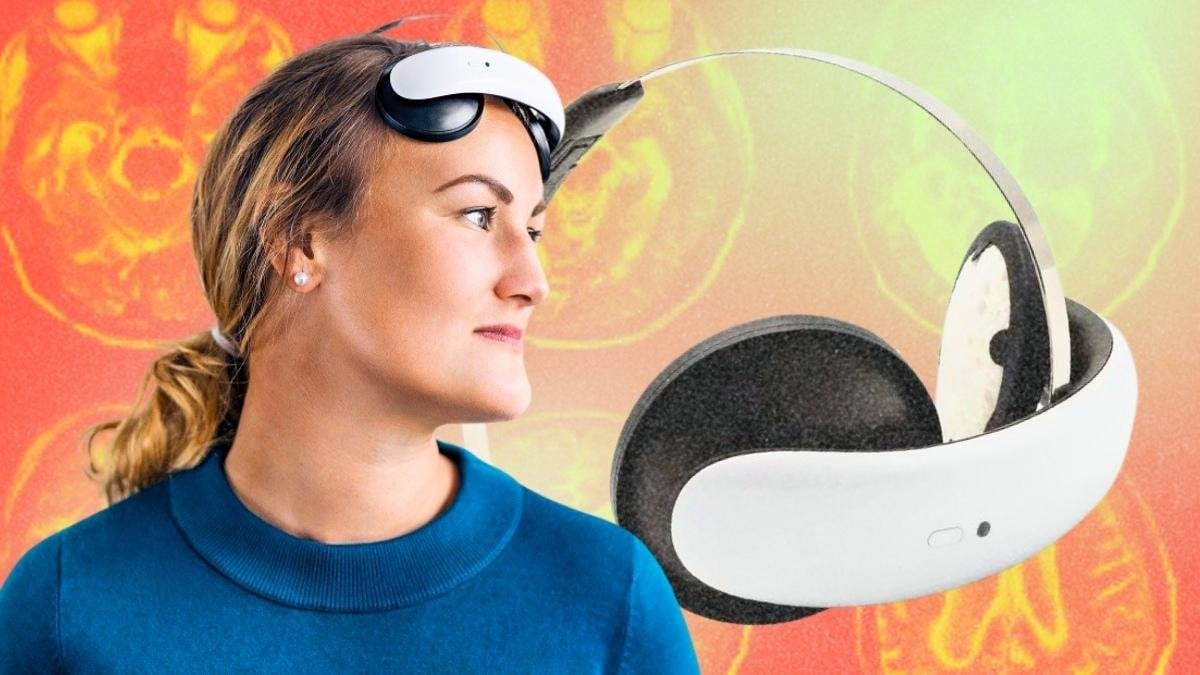
Brain-Zapping Headset Promises Depression Relief Without Pills
https://www.headphonesty.com/2024/09/brain-zapping-headset-home-relief-depression/

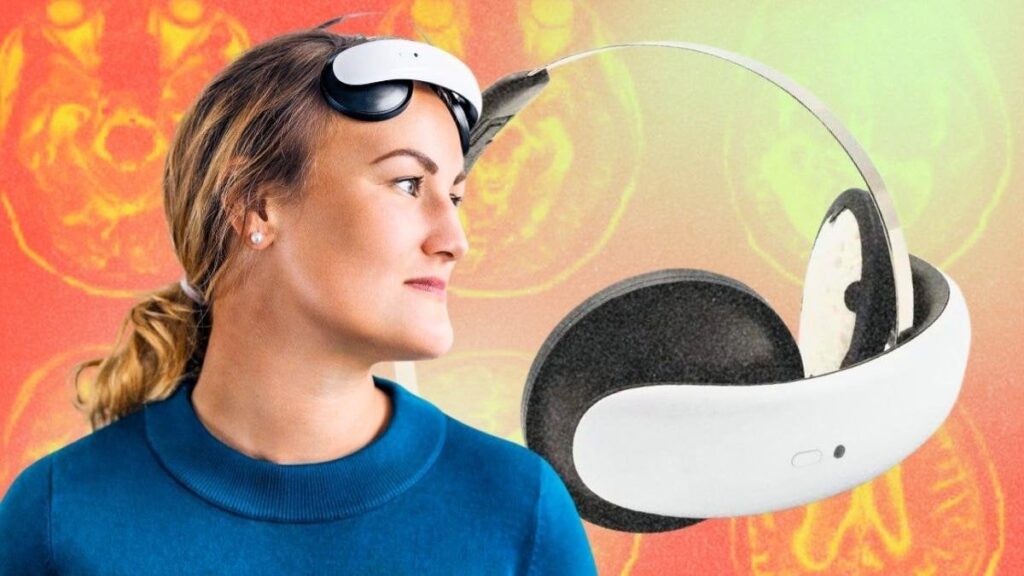
Brain-Zapping Headset Promises Depression Relief Without Pills
https://www.headphonesty.com/2024/09/brain-zapping-headset-home-relief-depression/
5 Comments
This headset uses transcranial direct current stimulation (tDCS) (which is basically like sending very mild electric signals to a targeted part of your brain) to simulate the brain’s mood control center. The best part is that this has lower side effects than pills so it’s a promising alternative to those who don’t like taking antidepressants. And, it can be done right at home in a very simple process. Perhaps, in the future, similar devices can be used to treat other mental conditions.
I can’t wait to be locked in a room with my electricity mistress for months.
It’s basic TDCS, it works and is used by doctors but better and way cheeper consumer TDCS have been around for years.
Yes, wonderful! Let us all just shock our brains into not responding normally to the state of our society and surroundings, because that is momentarily cheaper than trying literally any coherent concept to amend it.
(Yes, I am aware that people can become neurochemically depressed even in less maladaptive societies and situations, but this is a modern Western product and will be used mostly by modern Western and Far Eastern people – inevitably there will be a lot of one, and some of the other.)
This is not a news article, this is an advertisement.
I have a lot of trepidition about giving people what amounts to a low-key medical device at home. The assumption here is is that they’re going to use it for 30 minutes a day and then stop, which is the typical protocol for tdcs. We don’t really know what the side effects would be if somebody decided to wear six times a day, or for 5 hours, or whatever.
Tdcs is also only minimally effective, And doesn’t seem to have any efficacy in people that have treatment resistant depression. It has a place, probably, but It seems more likely effective and relatively mild cases and even then With only moderate efficacy and percentages of remission.
The article is definitely a piece of advertisement it should not be taken at face value under any circumstances. And selling these to people who’ve self-diagnosed with depression is incredibly sketchy.