
Saturday, December 7, 2024
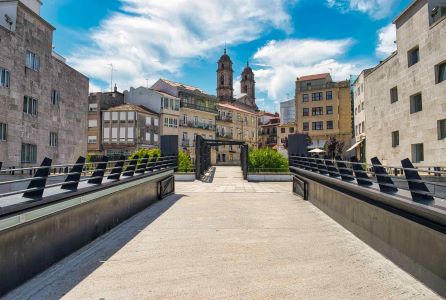
Vigo’s Unexpected Appeal During the Winter Season
Vigo, a city located on the green, misty northwest coast of Spain in the Galician region, has quietly become a hidden gem in Europe’s tourism landscape. While the city may not boast the high-profile allure of cities like Barcelona or Madrid, it has found its unique charm by capitalizing on the off-season, attracting travelers who are looking for something different. Over the past few years, the Spanish city has built a strong reputation for its breathtaking Christmas lights display, which has been steadily growing in popularity and is now considered one of the standout events during the festive season in Europe.
Each year, the city is transformed into a holiday spectacle thanks to the efforts of the local government. Over 11 million LED lights decorate more than 300 streets throughout Vigo, making it one of the largest Christmas light displays in Spain. The centerpiece of the installation is a magnificent 35-meter tall Christmas tree, placed in the Porta do Sol square. These lights and decorations draw tourists from both Spain and abroad, looking to enjoy the holiday spirit without the overwhelming crowds found in other popular Spanish cities. The presence of such a spectacular display signals a potential shift in how tourists view winter travel in Spain.
An Unforgettable Holiday Tradition
The Christmas season in Vigo is nothing short of an elaborate celebration. The city hosts unique experiences like the ‘Xmas Train’ (or ‘NadalBus’), a festive train that takes passengers on a scenic ride around the holiday lights. Additionally, the city has a special tradition where the Three Kings, figures from the Spanish holiday lore, make appearances in carriages. They travel around the city, distributing sweets to children and creating moments of joy. This blend of light displays, traditional festivities, and community spirit has made Vigo’s Christmas offerings stand out among the many holiday destinations across Europe.
Vigo’s Year-Round Charm: A Quiet Maritime Escape
While Vigo’s Christmas celebrations have garnered attention, the city is also a captivating destination year-round, especially during the warmer months when its true character shines through. It retains much of the charm of its 19th-century roots as a fishing village, with Calle de las Ostras (Street of the Oysters) providing an authentic taste of local seafood. The city’s old town, with its narrow streets and historic buildings, attracts those interested in exploring a more traditional side of Spain.
For tourists interested in architecture, Vigo’s skyline is dominated by the Rande Bridge, a stunning feat of engineering that rises 152 meters above the city’s estuary. It is a perfect example of the city’s blend of modern infrastructure with its rich historical past. This balance between old and new makes Vigo an attractive destination for cultural enthusiasts, offering more than just a quaint fishing village, but a city with deep roots in Spain’s maritime history.
Moreover, Vigo’s proximity to Portugal adds an interesting layer to the destination. Travelers can easily cross the Minho River into Portugal, enriching their experience with a glimpse of a different country and culture, while also exploring the linguistic and cultural nuances that exist between Galicia and its neighbor. The Galician dialect, distinct from other Spanish languages, reflects the city’s unique position on the Iberian Peninsula, offering a truly local experience.
Vigo’s Rich Cultural Heritage
Vigo’s maritime history can be explored in the Golden Mile district, home to a number of museums that showcase the city’s storied past as a trading hub since its founding in the third century BC. This area offers travelers a deeper understanding of how the city has evolved from a small fishing port to a modern center of commerce and tourism.
Vigo’s Museum of Contemporary Art (MARCO) is another cultural highlight, offering free entry year-round to visitors. The museum, housed in a former prison building, is an architectural masterpiece in itself and displays a rotating collection of avant-garde art. According to recent reviews, visitors have been impressed with both the “wonderful structure” of the museum and the “very interesting” art exhibits, which have earned the museum high praise from tourists around the world. As Vigo continues to grow in popularity, the museum’s accessibility and unique offerings will undoubtedly make it a top stop for culture seekers.
The Impact of Vigo’s Rise on the Travel Industry
Vigo’s rise as a destination, particularly during the off-season, signals a shift in European tourism trends. While destinations like Barcelona and Madrid have long been favored for their sunny beaches and bustling city life, travelers are now seeking quieter, more authentic experiences. The city’s emphasis on off-season tourism could provide a model for other destinations struggling with overtourism. With more travelers becoming aware of lesser-known gems like Vigo, there is an opportunity for local economies to flourish without the destructive pressures of mass tourism.
Vigo’s unique combination of vibrant Christmas celebrations, rich cultural history, and picturesque coastal landscape will undoubtedly continue to draw international travelers, particularly those looking to avoid the crowded tourist traps of Spain’s more famous cities. The city’s efforts to position itself as a year-round destination for both winter holidays and cultural tourism could have a profound impact on the local economy and the broader travel industry.
Key Highlights of Vigo for Travelers
- Christmas Lights: Over 11 million LED lights illuminate 300 streets each year, making Vigo one of Spain’s most enchanting winter destinations.
- Cultural Attractions: Museums, including the MARCO, and historic sites like the Rande Bridge, reflect the city’s maritime roots and rich history.
- Proximity to Portugal: Easy access to Portugal enhances the destination’s appeal, with a blend of both Galician and Portuguese cultures.
- Authentic Food Scene: Vigo’s traditional seafood restaurants, especially along Calle de las Ostras, offer a taste of local culinary heritage.
