
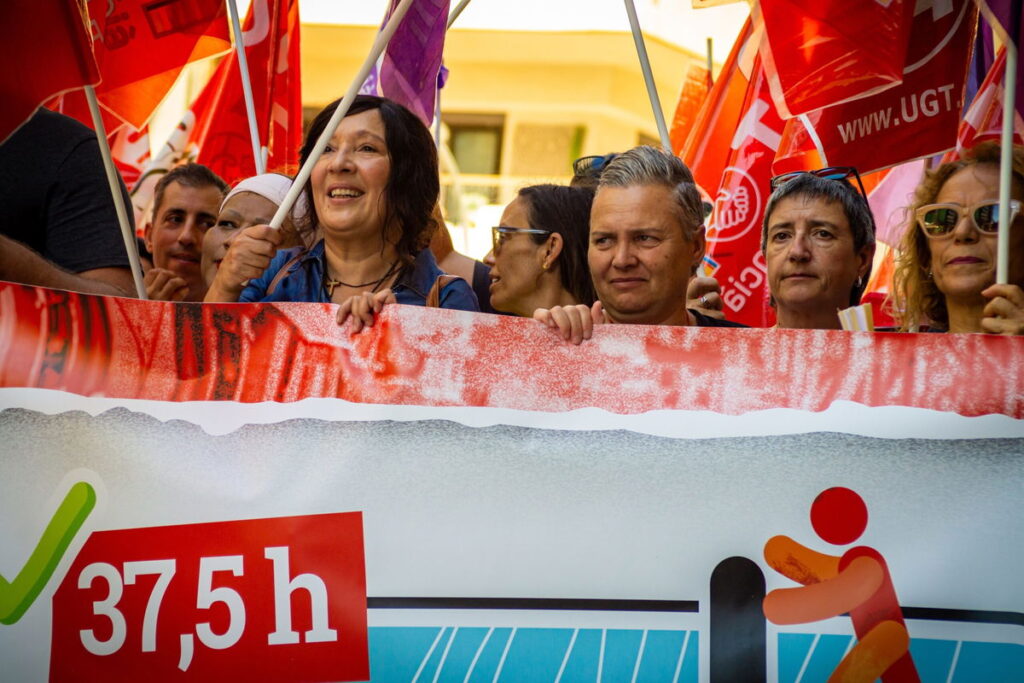
Spain’s 37.5-hour Workweek: Will It really happen by 2025?
credit : Shutterstock
Spain is on the brink of a landmark agreement to cut the maximum working week to 37.5 hours, without slashing wages. Trade unions and the Ministry of Labour have reached a deal after nearly a year of talks, but the main employers’ association, CEOE, is still pushing back.
Spain’s new labour statute: Key 37.5-hour workweek changes explained
A planned amendment to Article 34 of Spain’s Labour Statute aims to:
- Cap the workweek at 37.5 hours on an annual average
- Classify any extra hours as overtime
- Prohibit wage cuts related to the new schedule
- Enforce stricter time-logging and harsher penalties for violations
If Parliament signs off on the deal, companies with workweeks above 37.5 hours have until 31 December 2025 to make the shift. While Labour Minister Yolanda Díaz calls this a “major milestone”, the timeline might still be tweaked in legislative debates.
Most Read on Euro Weekly News
Despite the new agreement, several political parties and business leaders have reservations:
- PSOE suggests pushing the start date to 2026
- The Catalan party Junts has not fully embraced the proposal
- CEOE remains firmly opposed, with union leader Unai Sordo warning they may try to scuttle the deal in Parliament
- UGT’s Pepe Álvarez hopes the employers’ group will reconsider and keep dialogue open
Meanwhile, the government is looking at potential incentives for smaller businesses, including subsidies for hiring more staff and digitising time-keeping. These sweeteners were originally intended to secure CEOE support, but the employers’ association rejected them.
How Spain’s 37.5-hour workweek will affect your daily life and job security
A shorter workweek could have far-reaching benefits for employees and businesses alike:
- No pay cuts: The agreement firmly forbids lowering salaries when reducing hours
- Improved work-life balance: Workers could enjoy more personal time without a financial hit
- Special hours under review: Sectors like hospitality, agriculture, transport, and shift work will be brought in line with the new standard
- Incentives for SMEs: The government may revive subsidies for small and medium-sized enterprises to help them adapt
The draft law is heading to Parliament, where it might face modifications and further debate. If approved, Spain’s 37.5-hour workweek could mark a turning point in the country’s labour landscape, paving the way for a healthier balance between work and life—so long as the final details win enough support from both sides of the table.
Find more news about Spain