How poop could help feed the planet
https://www.technologyreview.com/2025/01/03/1108658/poop-feces-agriculture-varcor-biowaste/?utm_medium=tr_social&utm_source=reddit&utm_campaign=site_visitor.unpaid.engagement

How poop could help feed the planet
https://www.technologyreview.com/2025/01/03/1108658/poop-feces-agriculture-varcor-biowaste/?utm_medium=tr_social&utm_source=reddit&utm_campaign=site_visitor.unpaid.engagement
13 Comments
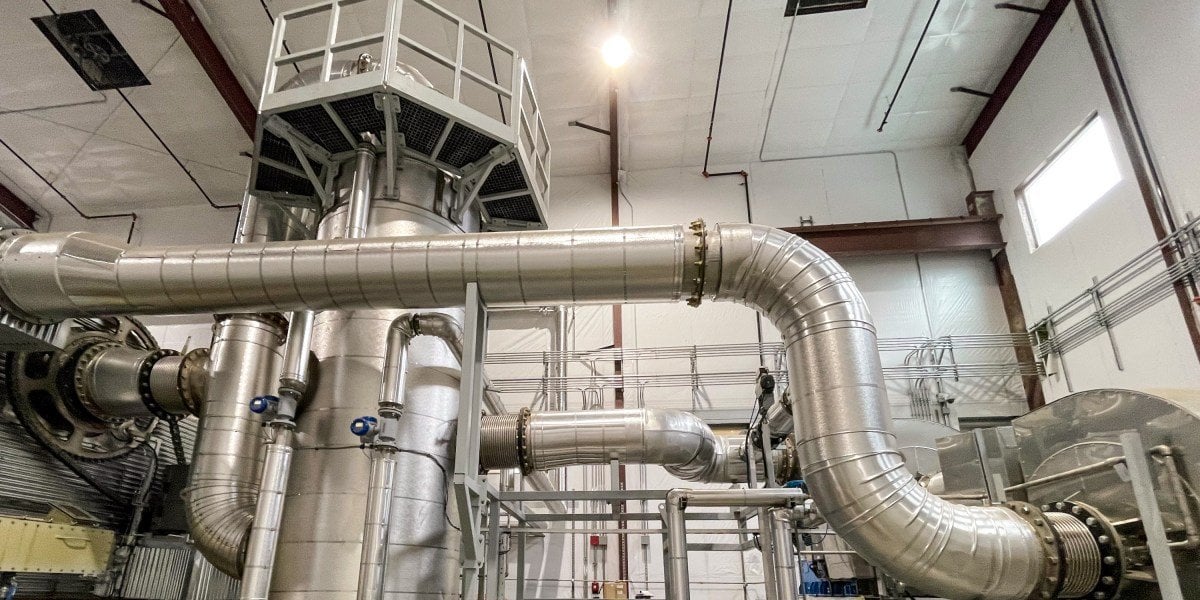
A new industrial facility in suburban Seattle is giving off a whiff of futuristic technology. It can safely treat fecal waste from people and livestock while recycling nutrients that are crucial for agriculture but in increasingly short supply across the nation’s farmlands.
Within the 2.3-acre plant, which smells lightly of ammonia, giant rotating spindles turn steaming-hot septic sludge and biosolids from local wastewater treatment plants into what an engineer calls “poop crepes.” Giant scrapers then deposit the baked biomatter onto a combination conveyor belt and dryer to yield a growing pile of sterilized fertilizer. The waste-processing method uses compressed steam generated in an earlier step, cutting the electricity needed by 95%. Besides the dry fertilizer, the process yields nearly pure ammonia and water.
This system, called Varcor, was designed by the Seattle engineering firm Sedron Technologies and is owned by the San Francisco–based company Generate Upcycle. Wastewater treatment plants across the country are using high heat, composting, and devices akin to pressure cookers to transform leftover biomass into rich fertilizers, mulches, and other soil additives with names like Bloom and TAGRO (short for “Tacoma Grow”). Some process the wastewater in a separate step to extract phosphorus—an essential plant nutrient and a common element in the human diet—and layer it to form round pellets, in a technique a bit like building pearls. This technology, developed by a St. Louis–based company called Ostara, creates a slow-release fertilizer that can be sold back to farmers.
Austin: Cor! This coffee smells like shit!
Basil: It is shit, Austin.
Austin: Oh, good. Then it’s not just me.
Austin: It’s a bit nutty.
“We here at Snowpiercer Foods have worked hard to develop high quality food products with only the best locally sourced ingredients available today.”
This level of recycling is essential for future resource needs. My concern, which i do not see addressed, is how to handle contaminants. PFAS in toilet paper as well as excreted pharmaceuticals and inorganic toxins. I have heard of past cases where practices like this have polluted farm lands.
They should probably add a step to remove heavy metals, persistent pharmaceuticals etc.
It’s called manure and has been known for thousands of years.
This is one step before Soylent green. What a dystopian present we have!
Eventually poop can be used as biological fuel to power machines.
[Lots of great poop tech in the works.](https://youtu.be/M4g4WBo-5fc?si=aahC18V58jiuYmbr)
They keep trying to send this stuff up to BC, but no one wants the bio solids, local indigenous groups in my area actually have long standing blockades on roads leading through their legal territories and they turn around any trucks suspected of shipping this crap.
>Besides the dry fertilizer, the process yields nearly pure ammonia and water.
You vill drink ze poop water and live in ze pod…
Jokes aside tho, this resource extraction method doesn’t seem like a bad idea
A friend of mine did her dissertation for something similar, was a very cool read. However, if i remember correctly, the yield of usable materials left over (mostly nitrogen i believe) was something in the 20ish percentage and was not economical enough for companies to produce on scale, that is if it was even scalable.
I assume millionaires will be the first to switch to these new food sources, right?