Detecting clinical medication errors with AI enabled wearable cameras | npj Digital Medicine
https://www.nature.com/articles/s41746-024-01295-2#ref-CR3

Detecting clinical medication errors with AI enabled wearable cameras | npj Digital Medicine
https://www.nature.com/articles/s41746-024-01295-2#ref-CR3
3 Comments
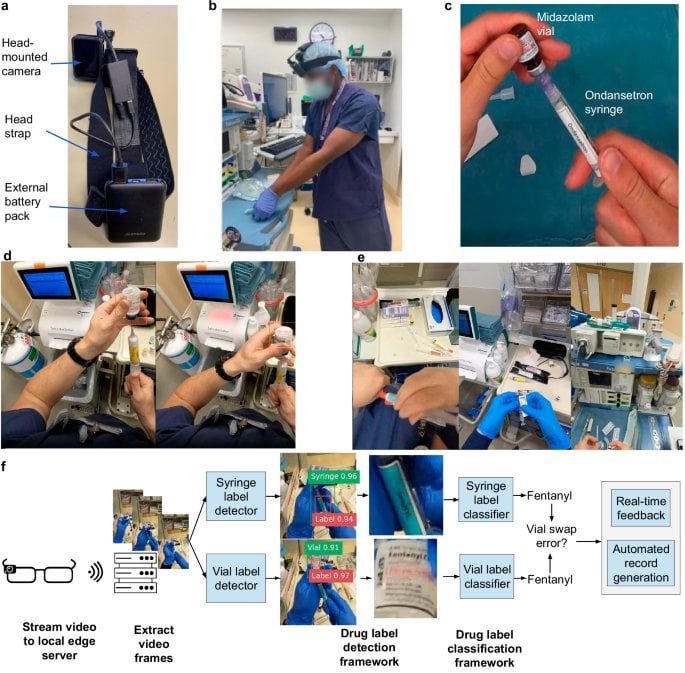
The study “Detecting clinical medication errors with AI-enabled wearable cameras” highlights how AI can revolutionize healthcare by reducing preventable medication errors. Achieving 99.6% sensitivity in detecting vial swaps, this system offers real-time error detection, enhancing patient safety. It sparks critical discussions on AI’s role in improving outcomes, streamlining workflows, and addressing ethical considerations in future healthcare innovations.
This can develop to work medical Assistents, I guess. This is a good exemple on how this integration would improvement Healthcare, not replacing professionals necesssarily
Why not just install the AI implants directly into the skulls of the proletariat? You could even install a killswitch to desuad class uprisings.