
BATON ROUGE, La. (WAFB) – In the 11th hour of his presidency, Joe Biden signed an executive order that bans future oil and gas development in more than 620 miles of federal waters off our coast about 20% of U.S. controlled seabed a final stamp of his environmental policy.
The move drew criticism from Louisiana lawmakers whose districts rely on this industry. House Rep. Joseph Orgeron is from Port Fourchon.
”Every time we have a hurricane and are not able to have our daily access to Port Fourchon it’s basically a $500 million hit on the nation’s GDP,” Orgeron said.
The Gulf of Mexico produces nearly 15% of the nation’s oil — and although the ban doesn’t apply to central and western parts of the gulf, Orgeron said it all plays a part in the local & national economy.
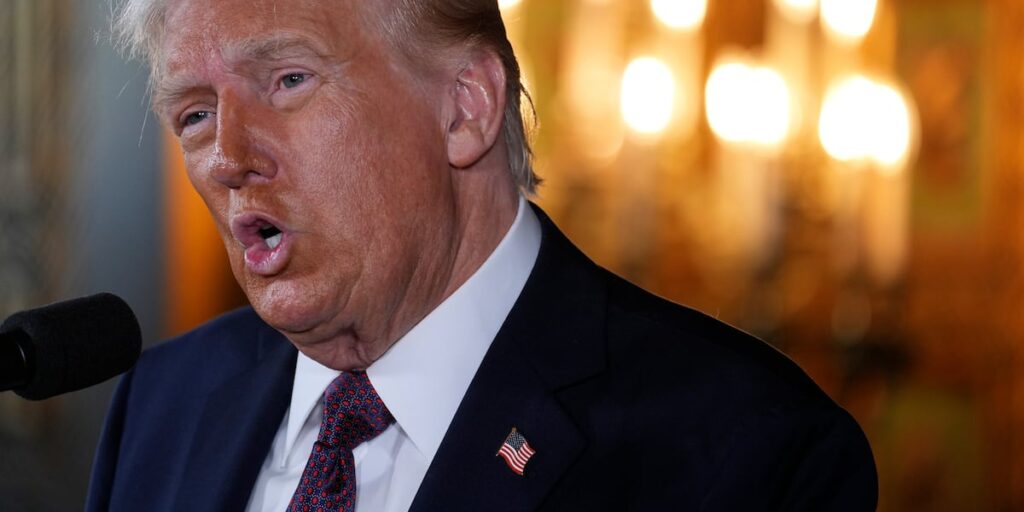
Yesterday, president-elect Donald Trump said not so fast.
”I will reverse it immediately,” Trump said. “It will be done immediately, and we will drill baby drill.”
It’ll take more than just a wave of a pen. Biden’s executive order invokes the 1953 Outer Continental Shelf Lands Act — meaning the president-elect would need an act of Congress to reverse it. Trump — doubling down on his bullish energy policy with a name change for the Gulf of Mexico.
”Sort of the opposite of Biden where he is closing everything up, essentially get rid of $50-60 trillion worth of assets we are changing the name of the gulf of Mexico to the gulf of America — what a beautiful name,” Trump said.
Well, is it posturing or policy? The verdict is still out.
”You know, the art of the deal,” Orgeron said. “He likes to throw out a few things to put whoever he’s negotiating with to a mind state of how bad it could be and basically works them back in a negotiating technique and I think it’s part of that ploy.”
New Orleans representative Mandie Landry said she’s seen it all before.
”To me, it’s the latest in a culture war proposal similar to other anti-immigrant comments,” Landry said. “This idea to rename a large body of water that is not owned by the country is completely ridiculous.”
It turns out, this change isn’t easily made as well. Mary-Patricia Wray, a public policy consultant, points out that it takes Congress and the U.S. Board on Geographic Names to get it done.
”It does have the authority under federal law to change names willy nilly,” Wray said. “If you think about it from a public policy perspective it makes sense, you wouldn’t want every president to rename every geographical feature in the United States of America. This is obviously an often cited, drawn, referred to body of water that borders the USA, so changing that in every federal government, document is probably going to come with a fairly large price tag.”
The president of Mexico, Claudia Sheinbaum today firing back at Trump’s proposal, said the name is already recognized internationally, but she did have a compromise, suggesting we call parts of the United States – America Mexicana instead.
Click here to report a typo. Please include the headline.
Click here to subscribe to our WAFB 9 News daily digest and breaking news alerts delivered straight to your email inbox.
Copyright 2025 WAFB. All rights reserved.