
Tourists looking to head to
Spain
this spring to bask in the Mediterranean sunshine and its glorious beaches are being warned by government officials that the famous Spanish beaches that draw millions of tourists each year are no longer landscaped with pristine sand for miles along the coastlines.
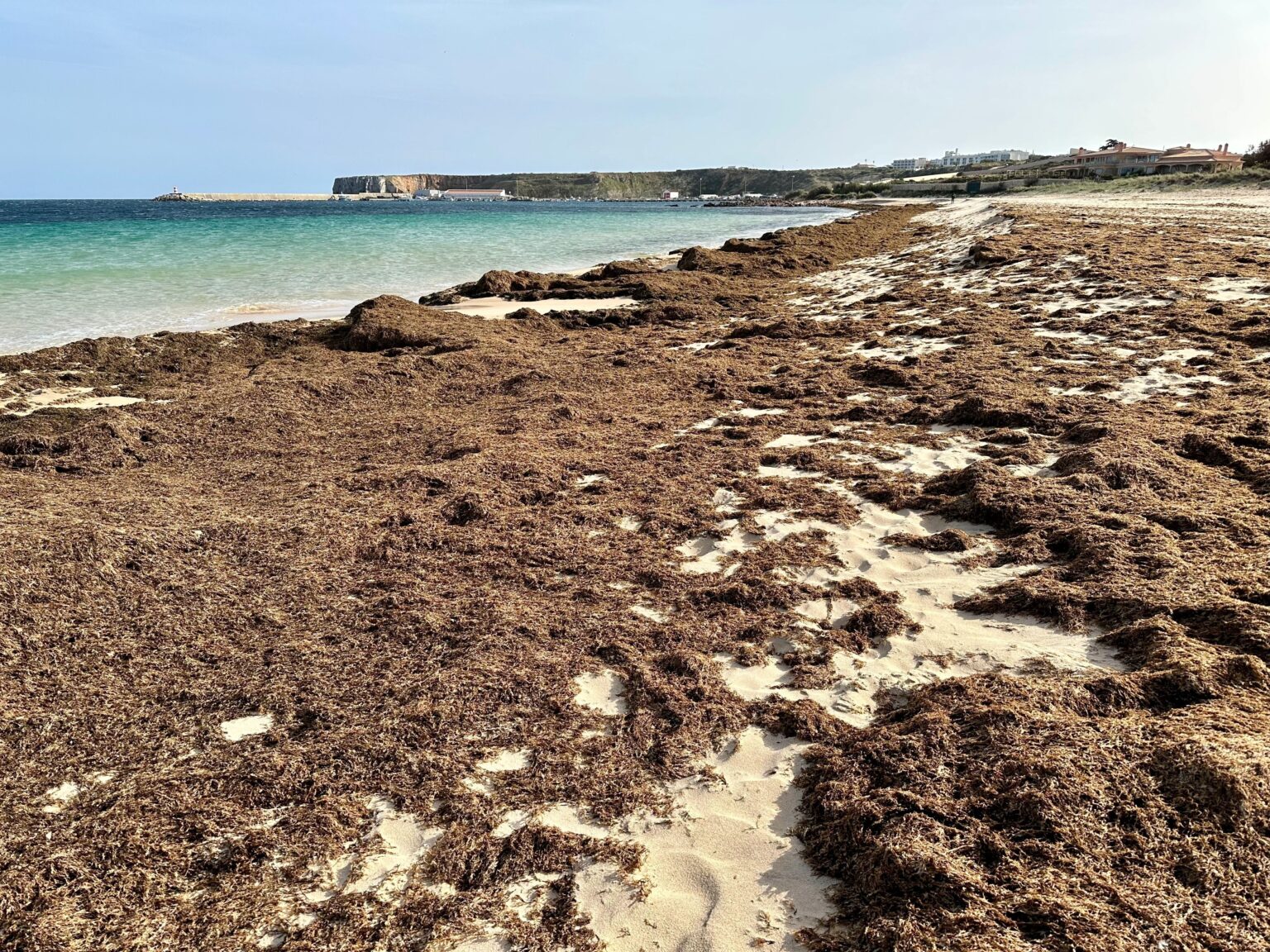
Instead, their tropical landscape and creamy-colored sand are now brown due to an invasive algae that is suffocating the popular Spanish beach destinations.
Related
Spain Continues To Be One of the World’s Premiere Travel Destinations Despite Backlash From Residents and a Catastrophic 2024
Rugulopterix Okamurae Has Found Its Way Into the Atlantic and Mediterranean, and It’s Spreading Fast
What exactly is Rugulopterix Okamurae? Simply put, it’s a brown seaweed found in “temperate areas of the Northwest Pacific Ocean.” Unfortunately, the seaweed’s coloring is not the only thing that turns people off. The Japanese brown algae is also a very invasive seaweed that spreads like wildfire once it starts, and it has the most unpleasant smell.
Now, the brown algae has made its way to the Atlantic and
Mediterranean
, taking over seabeds, and reproducing at exponential rates. Dragged by the ocean currents to stunning coastlines, the invasive beast has tarnished the look, feel, and freshness of Spanish beaches, affecting five areas that normally witness millions of beachgoers each year.
Addressing the issue, Fiona Tomas from the IMEDEA (Mediterranean Institute of Advanced Studies) shared with the Majorca Daily Bulletin her insights: “We must act in time because we have the knowledge, and we can carry out effective preventive management to avoid an invasion or, at least, minimize its impact.”
While Spanish officials and environmentalists look into minimizing the impact that the suffocating seaweed has on its beaches, the seaweed’s invasive overkill also has a significant impact on fishermen.

Related
UK and US Buyers, Among Others, Will Be Required To Pay the 100% Tax Rate on New Property Purchases
Five Areas in Spain Already Affected by the Fast-Spreading Brown Algae
Travelers who frequently visit Spain to enjoy downtime and sunshine on the country’s famous beaches will want to avoid five areas that are currently suffering from the invasion of the fast-spreading brown algae.
According to officials, Catalonia, the Andalusian coast, Murcia, Valencia, and Tarifa have all been infiltrated by the nasty brown seaweed.
Maria Altamirano, a professor of botany and plant physiology at the University of Malaga warned: “Although it has not yet been detected, the Balearic Islands are a highly favorable area for it to proliferate. The authorities should look at minimizing its spread.”
Now officials and environmentalists are concerned for the Balearic Islands, which is home to the very popular tourist destination of Majorca (Mallorca), indicating the brown seaweed has not yet reached the area, but if it’s not stopped quickly, it’s a surefire bet that the nasty algae will also impact and spread over the islands due to its temperate climate.
This is not the first time Spain has witnessed the invasive seaweed take over its beaches. Four years ago, Rugulopterix Okamurae also made its way to the European country, which is the number two tourist destination in Europe. Its unpleasant sight, smell, and suffocating stronghold on the country’s coastline deterred many tourists from visiting, as it will do this year if officials are not able to stop the spread of the brown fungus.