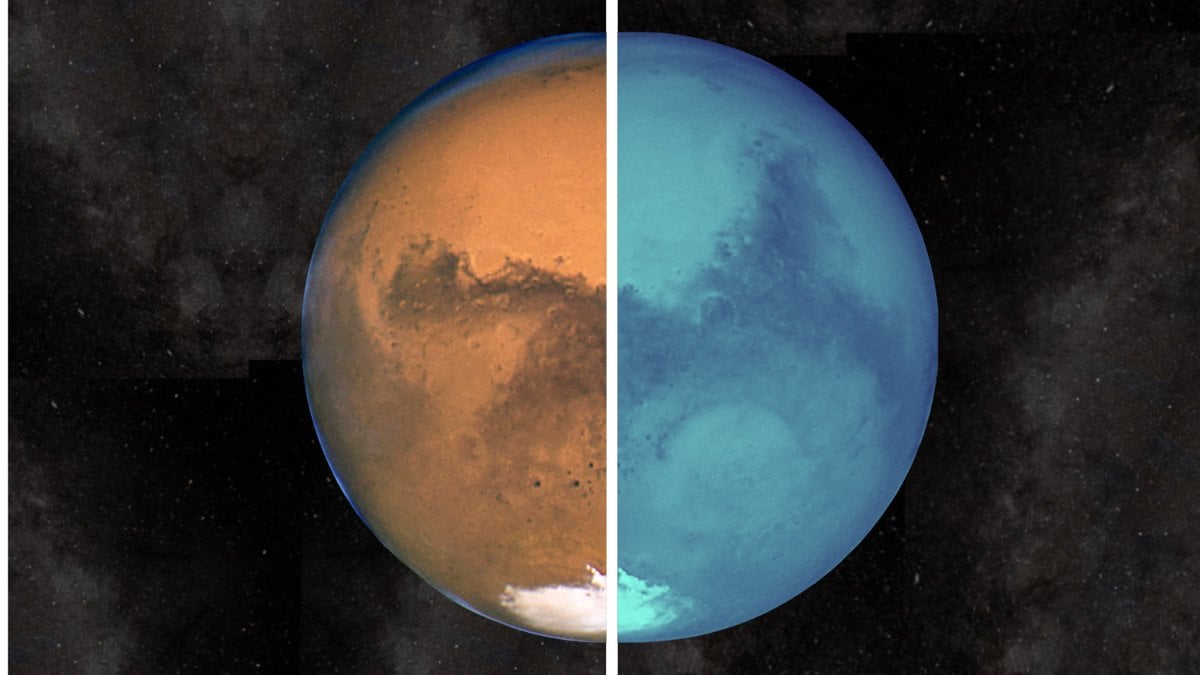
Mars was hot then cold then hot again. Could life have really survived there?
https://www.space.com/ancient-mars-hot-cold-climate-hydrogen

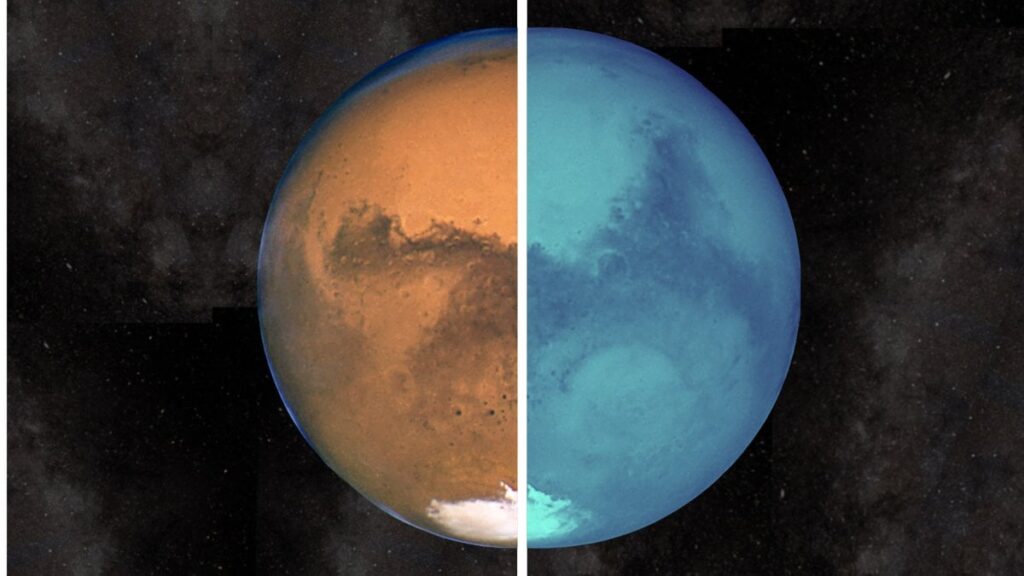
Mars was hot then cold then hot again. Could life have really survived there?
https://www.space.com/ancient-mars-hot-cold-climate-hydrogen
12 Comments
Probably not, but that doesn’t mean we shouldn’t continue exploring it and its secrets
Look at the long-term history of life on Earth. Our planet has undergone some profound changes over the last few billion years.
Pretty sure there were at least some kind of microbial life living there given the conditions it had in the past.
Sounds like my girlfriend, she’s most definetly still alive.
Oh I learned the answer to this in a dinosaur documentary! ‘Life uhhh….finds a way’
I think it all depends on the time frame. If it went very gradualy then life could have adapted up and down the climate cycles.
Earth was cold. Then hot. Then hotter, then hotter, then too hot, then hot, then hot, then hot, then asteroid, then cold, then warm, then cold, now lukewarm
“Life of Mars” didn’t have a mama telling them to put on their sweater when they went out, so they died from the cold.
I mean probably not until the present day except the most basic microbes. Pretty good chance that the planet is sterile to the extent that we’re ever going to be able to determine with modern technology. The one thing that makes me think it still has life is the methane mystery but that’s really tenuous evidence.
Earth too was apparently hot, then really cold, then hot again. Look at the “snowball Earth” hypothesis, which sees evidence that before 650 million years ago, after life began but before multicellular life exploded, the Earth was either completely or almost completely frozen for about 150 million years.
https://en.m.wikipedia.org/wiki/Snowball_Earth
At most life developed in the most basic single celled form on mars but highly unlikely that it grew to anything more. We have evidence that the magnetosphere disappeared like a billion years after the planet formed. Multi cellular life here didnt become a thing for several billions of years
Probably not human life, but I mean earth was also cold then hot again vice versa millions of times and we’ve had all sorts of creatures, dinosaurs and insects.