The Last Wave: Nature, Technology, and the Illusion of Separation
https://medium.com/@SolusBloom/the-last-wave-nature-technology-and-the-illusion-of-separation-f3cbf12b5d29

The Last Wave: Nature, Technology, and the Illusion of Separation
https://medium.com/@SolusBloom/the-last-wave-nature-technology-and-the-illusion-of-separation-f3cbf12b5d29
2 Comments
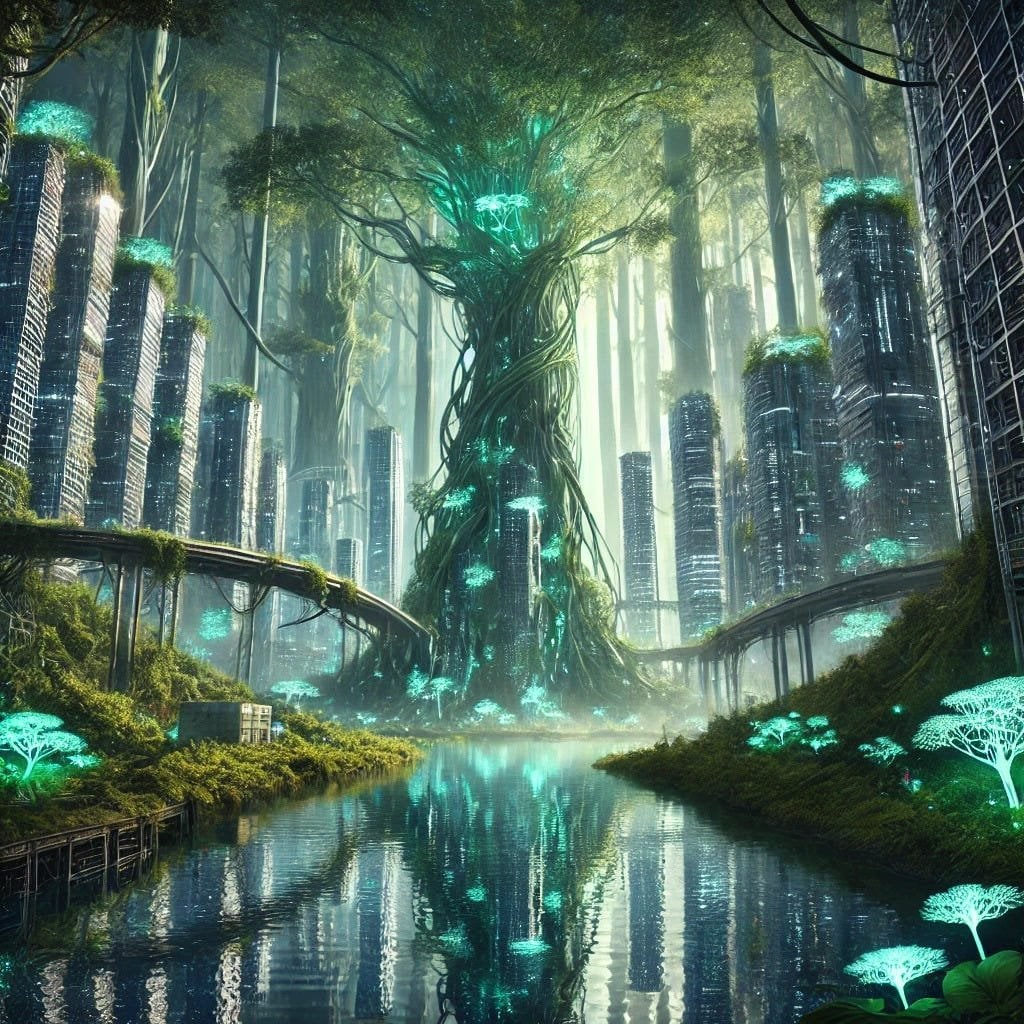
The Last Wave explores the illusion of separation between nature and technology, arguing that they are not opposing forces but part of the same evolving system. Historically, we have viewed technology as an artificial construct, something distinct from the organic processes of nature. But if we look closer, isn’t all technology just an extension of nature’s own ability to shape itself?
Ants build complex cities. Beavers alter ecosystems with dams. Humans, too, create and transform the world around them—but instead of wood and mud, we use circuits and algorithms. This challenges the traditional view that technology is a destructive force rather than a natural progression.
In the context of the future, as AI and biotechnology become more integrated into our lives, will we continue to resist the idea that technology is part of nature, or will we embrace a new paradigm where the two are seen as one? If technology is just another expression of nature evolving, does this change how we approach sustainability, ethics, and freedom in an increasingly automated world?
I’d love to hear thoughts on whether this shift in perspective could help us move past fears of technology and toward a more harmonious relationship with it.
I’m glad this truth is starting to emerge to many.
We’ve already started getting close to it in economics for a minute, believe it or not: the exogenous theory of technology has failed in favor of the endogenous theory of technology, which sees it as an integral means and end of production of a given economy.
Interactions between different living organisms, in our case if the same species, are natural. In our case, exchanges and the like are not only part of our interactions with each other but also the main driver for them at times. It only makes sense, therefore, to consider research and the application of what we know to be natural. Hence, technology is natural.