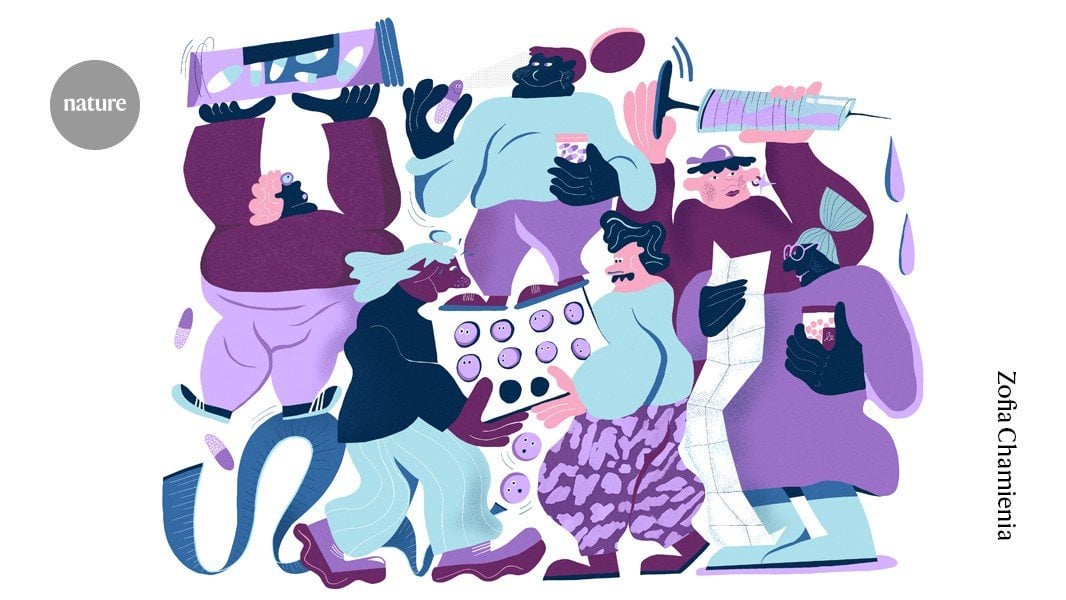
Dozens of new obesity drugs are coming: these are the ones to watch
https://www.nature.com/articles/d41586-025-00404-9

Dozens of new obesity drugs are coming: these are the ones to watch
https://www.nature.com/articles/d41586-025-00404-9
7 Comments
New obesity drugs are on the way, and they aim to work differently from the ones we’ve seen like Ozempic and Wegovy. These new treatments promise better weight loss with fewer side effects. With all these new options coming soon.. it’s interesting to think about how they might change how we approach obesity treatment in the future and who will benefit most from them.
Crazy how people can’t just work out for a couple hours a week and eat less garbage.
Edit: lol @ the immediate downvote swarm <5sec after commenting
#The Future of Weight Loss: New Drugs Promise More Effective and Safer Options
The race to revolutionise obesity treatment is gathering pace, with dozens of next-generation weight-loss drugs on the horizon. These medications aim to build on the success of current drugs like Ozempic and Wegovy, which have brought significant results but also drawbacks such as muscle loss, side effects, and the need for weekly injections.
One such new therapy is a promising combination of semaglutide and the experimental drug bimagrumab, which has shown the potential to preserve muscle while shedding fat. Clinical trial participant Kristian Cook, who struggled with weight-related health issues, shared his optimism after joining the trial, noting how it helped counteract his cravings while improving his health.
Pharmaceutical companies worldwide are racing to develop medications targeting appetite suppression, muscle retention, and diverse biological pathways. Among the most anticipated are injectable drugs such as retatrutide, which has delivered up to 24% weight loss in trials, and oral treatments like Eli Lilly’s orforglipron, expected to arrive as early as 2026. These treatments aim to offer more effective weight-loss options with fewer side effects and greater convenience.
The new wave of therapies also explores novel approaches. Some target additional hormones, such as amylin, which stabilises blood sugar and suppresses appetite, while others draw inspiration from genetic studies linked to healthy weight distribution. Renewed attention is even being given to cannabinoid receptor blockers, previously abandoned due to mental health risks, with efforts to refine these drugs to minimise side effects.
While these advances bring hope, questions remain about long-term safety, bone and organ health impacts, and the unknown risks of drastic weight loss. Despite this, the potential for these treatments to combat obesity, which affects millions globally, has sparked immense interest. With the market projected to exceed $100 billion by the decade’s end, the future of weight loss may soon look very different.
What about fixing the dysfunctional food system? There’s something wrong when there are food deserts where junk foods are plentiful but real foods are rare and exotic. Shouldn’t it be the other way around?
The obesity rate was extremely low for most of human history. The obesity rate is still low in some countries today. The sub-5% obesity rates of Japan and South Korea are NOT from drugs, MyFitnessPal, keto, Paleo, Weight Watchers, Jenny Craig, Slim Fast, or NutriSystem.
Or we could pay better attention to caloric intake and nutritious diet instead of relying on a drug. I’m sure this serves a purpose for some, but the marketing on these is ridiculous.
You mean watch out for…side effects. Eat meat and less than 22 grams of carbs no side effects.
People line up for these, but protest Covid and flu shots.