
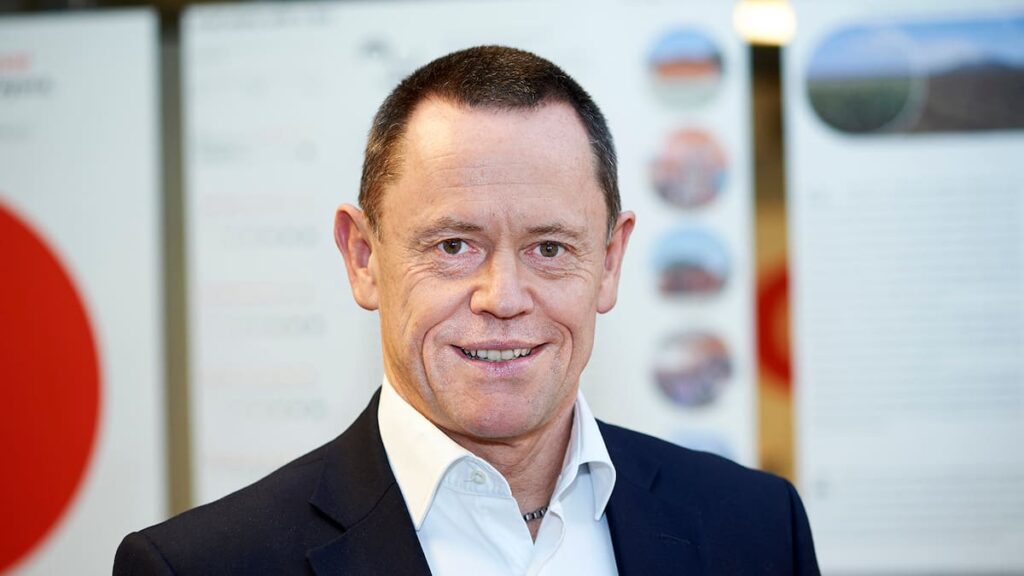
“Splitting the existing CRIs the way that is proposed, would, in my view, do grave damage to our national research capability – a capability that lies at the core of the Government’s responsibilities,” Upton told Reti.
Much of his letter focused on Lincoln-headquartered MWLR being housed within the bioeconomy PRO, which he said represented a “serious misconception” about the focus of its work and its links with other parts of the science system.
Rather, he argued most of the research it carried out would belong within the earth sciences PRO, noting that MWLR worked closely with Niwa and GNS on a wide range of fronts.
That included challenges like climate adaptation, water quality, deep-ecology, biosystematics, soil science, environmental toxicology and carbon cycling.
“Being able to understand and interpret our biophysical environment so that we can manage the pressures our society places on it requires fundamental environmental and ecological research,” he said.
“If that research is going to be conducted anywhere, it should be alongside the rest of the bio-geophysical research that is at the core of much of Niwa’s and GNS’s mandates.”
Elsewhere in his letter, Upton said “playing around with the boundaries” of research organisations was a “second-order issue” to how public research was actually funded.
“I am not talking about the quantum of investment but rather the mechanisms through which funding is allocated. This element of the reform remains to be announced,” he said.
“I find it extraordinary that institutional changes have been announced without an equally clear indication of how these new institutions will bid for money.”
Upton said that, for the environmental sector at least, the Crown needed a dedicated funding agency.
“It also needs a way to ensure that its strategic priorities for environmental research are clearly communicated to that funder so that we can be sure that government research investments map to the most important environmental challenges we face.”
A MWLR spokesperson declined to comment on Upton’s letter.
Reti told the Herald one of his priorities in the sector reforms was aligning teams from different CRIs where they were best able to advance research needed to grow the economy.
“I am open to different options for the placement of Landcare Research,” he said.
“I expect to make decisions on the detailed design of the new public research organisations in the coming weeks.”
The sector reforms followed an independent review led by former chief science advisor Professor Sir Peter Gluckman, who also chaired a separate panel focused on New Zealand’s eight universities.
Recommendations from that review are due in coming months.
Jamie Morton is a specialist in science and environmental reporting. He joined the Herald in 2011 and writes about everything from conservation and climate change to natural hazards and new technology.
Sign up to The Daily H, a free newsletter curated by our editors and delivered straight to your inbox every weekday.