
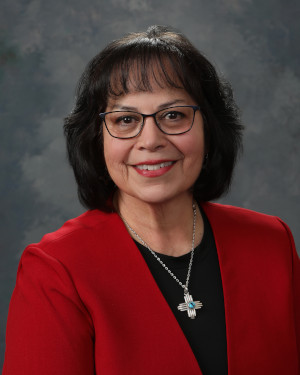
BY REP. DEBBIE SARINANA-D
Albuquqerque
Editor’ note: Rep. Debbie Sariñana is from Albuquerque. She is Vice-Chair of the Energy Environment and Natural Resources Committee, and serves on the Legislative Finance Committee and the House Appropriations Committee
I’ve said it before and I’ll say it again: The oil and gas industry is a classic three-legged stool for New Mexican children. On the one hand, it provides $4 billion in revenue to our state budget, funding the lion’s share of our public schools. It also provides thousands of good paying jobs to New Mexican workers. But all of those benefits must be balanced by the third leg—the wellbeing of our children and environment. All of these legs are important to New Mexican families, which means we cannot unilaterally change one leg without affecting the other two.
In New Mexico like in other states, children must attend schools in our state—they have no choice in the matter. But what happens when their schools happen to be next door to an oil and gas well?
The negative health impacts of breathing in methane are dangerous to their bodies, still in their formative stage. These health impacts have been well documented – children suffering from asthma, nightly nosebleeds, and visits to emergency rooms because of difficulty breathing. Some children have been found with neurodevelopmental disorders, mental health issues, and pediatric cancer. These health issues can and will disrupt the cognitive ability of our children. Oil and gas emissions also increase ozone levels in the air. The American Lung Association describes breathing ozone as a “sunburn to the lungs” that can cause breathing issues, asthma attacks, as well as respiratory and cardiovascular attacks.
How do I know? I’m a mother, a retired public school teacher, and an Air Force medic veteran.
I’ve introduced a reasonable bill this year to rebalance the oil and gas industry’s three-legged stool: the Children’s Health Protection Zones Act (HB 35), which would prevent new wells from being drilled within a mile of a school.
After discussions with stakeholders on all sides, this bill would only apply to new wells, not existing ones, even though our state has 34,000 children who attend school within a mile of an oil and gas production site right now. Schools in both the Permian and San Juan basins have oil and gas wells within a mile, and in at least one case, within a few hundred feet. Jefferson Elementary in Hobbs is surrounded by 161 wells. The Eunice school district has 120 wells within 1 mile, and Lybrook Elementary in Farmington has 19 wells within a mile.
The oil and gas industry has benefited from state policies for years. For example, royalty rates on public land leased by the industry to drill has not been raised since the 1970s, five decades ago, helping oil and gas companies achieve record profits.
This setback legislation is a reasonable re-balancing of that three-legged stool for the oil and gas industry in order to protect the health of our children.
Related