
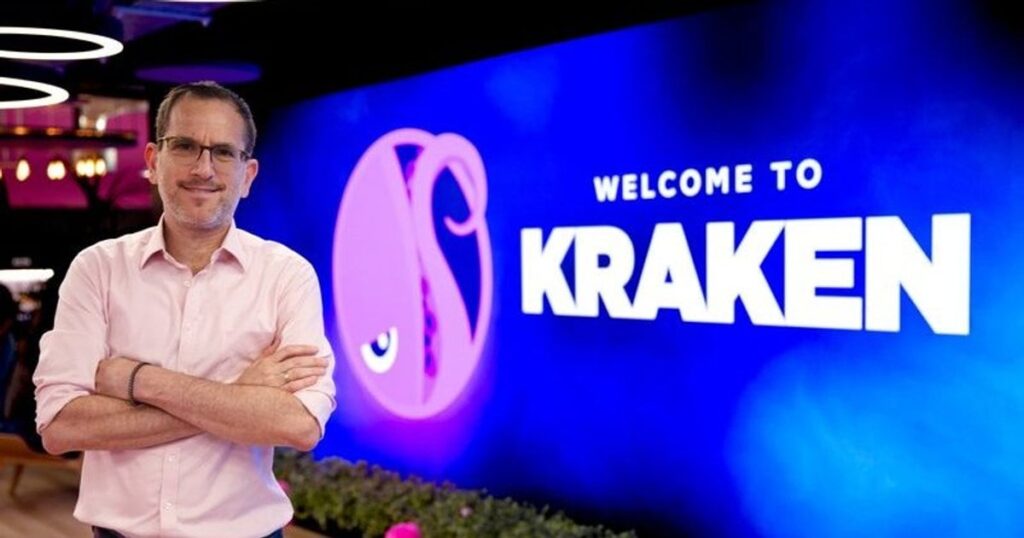
Today, Kraken is running as an operationally independent entity — still owned by Octopus but a totally separate business — with its own leadership.
We are providing services to multiple utilities worldwide, servicing more than 50 million households already, including servicing more than half of the UK with Octopus, EDF, E.ON Next and the like, as well as large customers in France, Japan, Australia, Canada, the US and Germany, as well as other countries.
On that journey, we’ve taken what was a new, cutting-edge platform built for Octopus, enhanced it and expanded it based on global needs.
Now we have, by far, the only proven, advanced, modern end-to-end platform for energy companies that deals with all the technology you need to handle the common, back office core needs.
How does Kraken’s AI-powered data management system enable utilities to balance and shift energy loads in real-time across various smart devices like EV chargers and heat pumps?
We had to build a number of technologies so that each one is complex, but not enough — you have to have the combination.
To truly optimise the grid, you need to be able to access the devices that can change behaviour, like electric vehicles, charging time, heat pumps, temperature of a house, and somehow access all of them. You need to see and model the entire grid’s set of needs in the future in real time.
To communicate in real time to the human on the other side, you usually use a mobile app and to create business offerings — like, if you have just announced that you can have free electricity in the afternoon, business offerings that cater to those humans and can be actually executed in your system in terms of billing, CRM and customer service.
If you can do all of that well and you can connect the dots, you can really deploy transmission learning models and AI to optimise that problem. We have done that and it is very complex work because it’s multidisciplinary innovation today right now, not in the future.