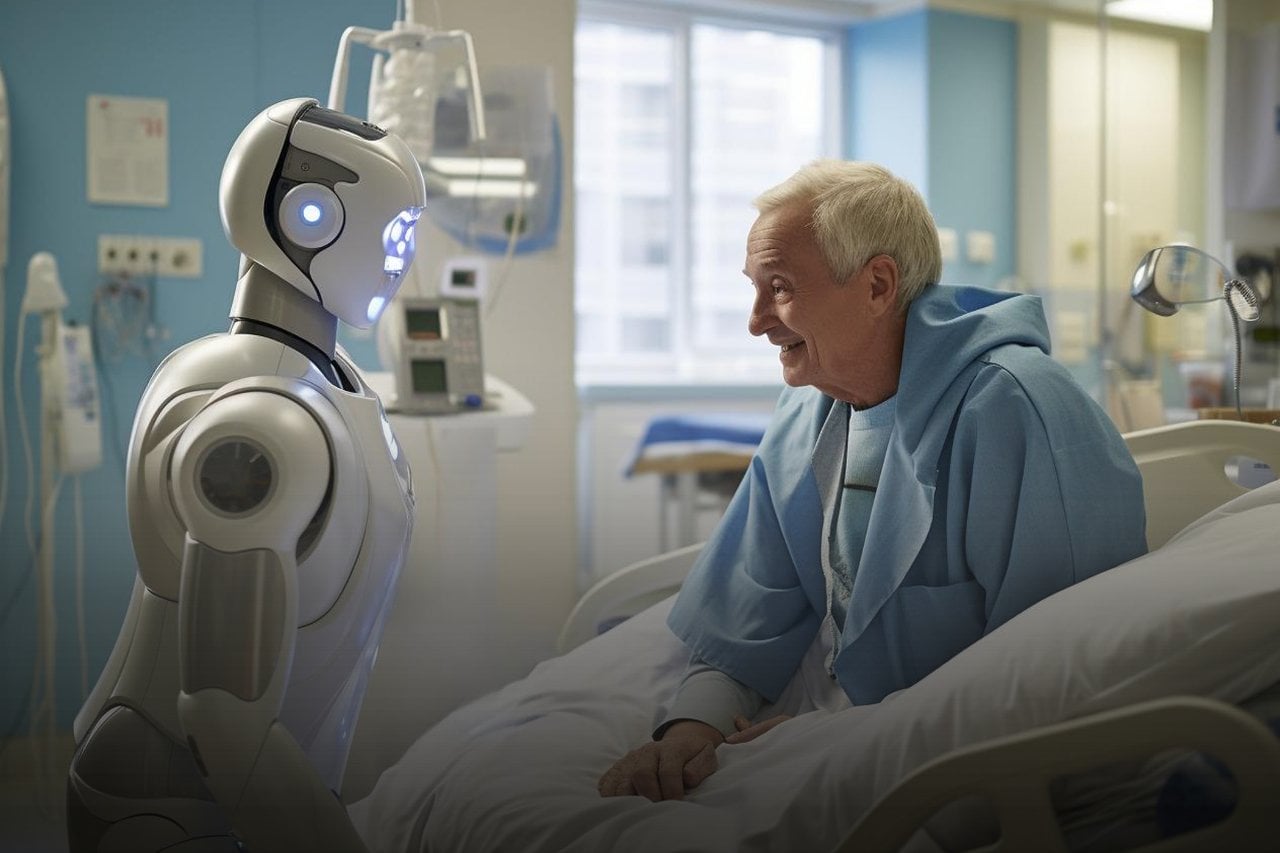
AI Robots Could Revolutionize Elderly Care in Japan’s Aging Crisis
https://www.newszier.com/ai-robots-could-revolutionize-elderly-care-in-japans-aging-crisis/

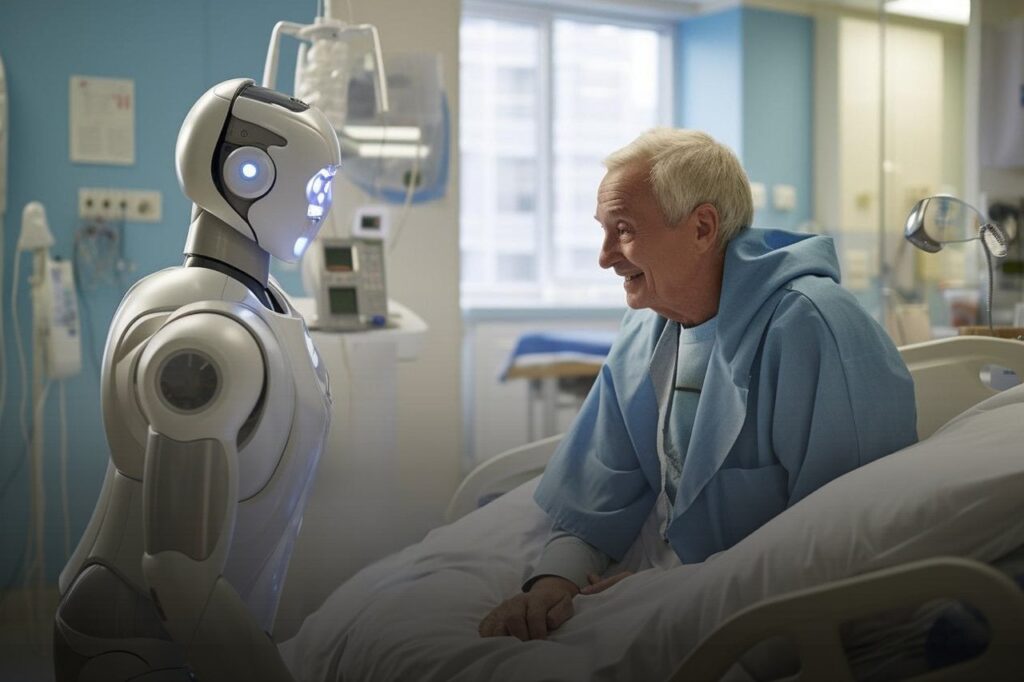
AI Robots Could Revolutionize Elderly Care in Japan’s Aging Crisis
https://www.newszier.com/ai-robots-could-revolutionize-elderly-care-in-japans-aging-crisis/
4 Comments
Japan is facing one of the biggest aging crises in the world. With declining birth rates and a shrinking workforce, the country is struggling to provide enough caregivers for its growing elderly population. AI-driven robots are now stepping in to fill the gap, offering physical assistance, companionship, and even emotional support. But is this the future of elderly care, or are we heading toward a world where human connection is lost in the process?
In Japan, robotic caregivers are already being deployed in nursing homes and hospitals. Some can help with lifting patients, monitoring their health, and reminding them to take medication. Others provide social interaction, designed to reduce loneliness and cognitive decline. With advancements in AI, these robots are becoming more sophisticated, capable of responding to emotions and holding conversations.
While this technology could relieve pressure on overburdened healthcare systems, it also raises ethical concerns. Can a machine truly provide the warmth and empathy that human caregivers offer? Could over-reliance on AI robots lead to social isolation rather than alleviating it? And what happens when mistakes occur, who is responsible?
This article dives into how Japan is integrating AI-powered robots into elderly care, the potential benefits, and the challenges that come with it. With aging populations rising globally, Japan’s experiment with robotic caregiving could soon become a model for other countries.
This didn’t end well in the book “Robopocalypse” by Daniel H. Wilson
There a term yet for someone killed by a robot? I suppose doing well in life so you don’t have to buy a temu robot for elder care is a new goal we should strive for.
It’s interesting because immigration would solve this problem but Japan value homogeneity over these kinds of solutions. I think that’s a valid choice but it’s a little bit sad as well.