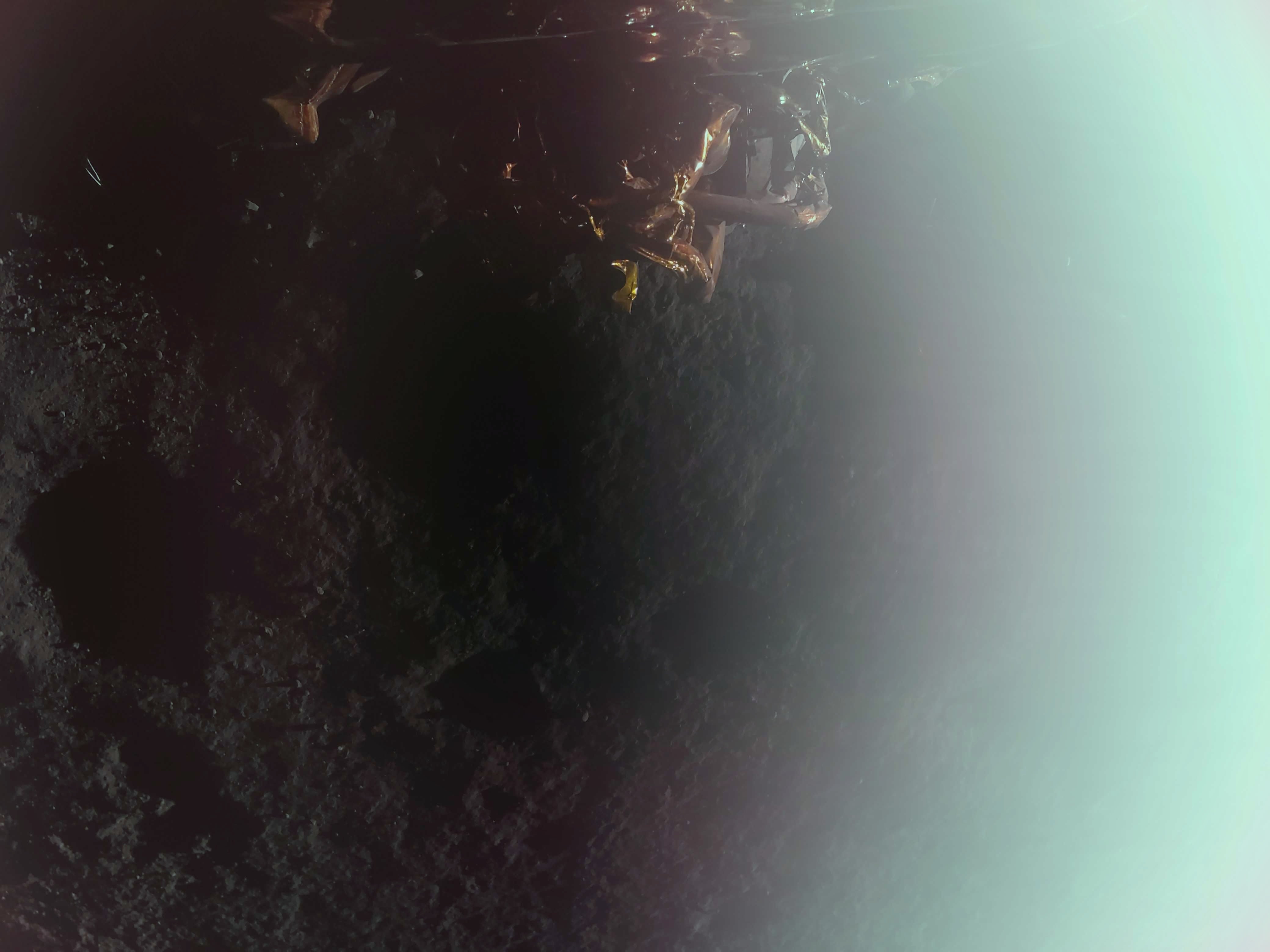
Touchdown! Carrying NASA Science, Firefly’s Blue Ghost Lands on Moon – NASA
Touchdown! Carrying NASA Science, Firefly’s Blue Ghost Lands on Moon

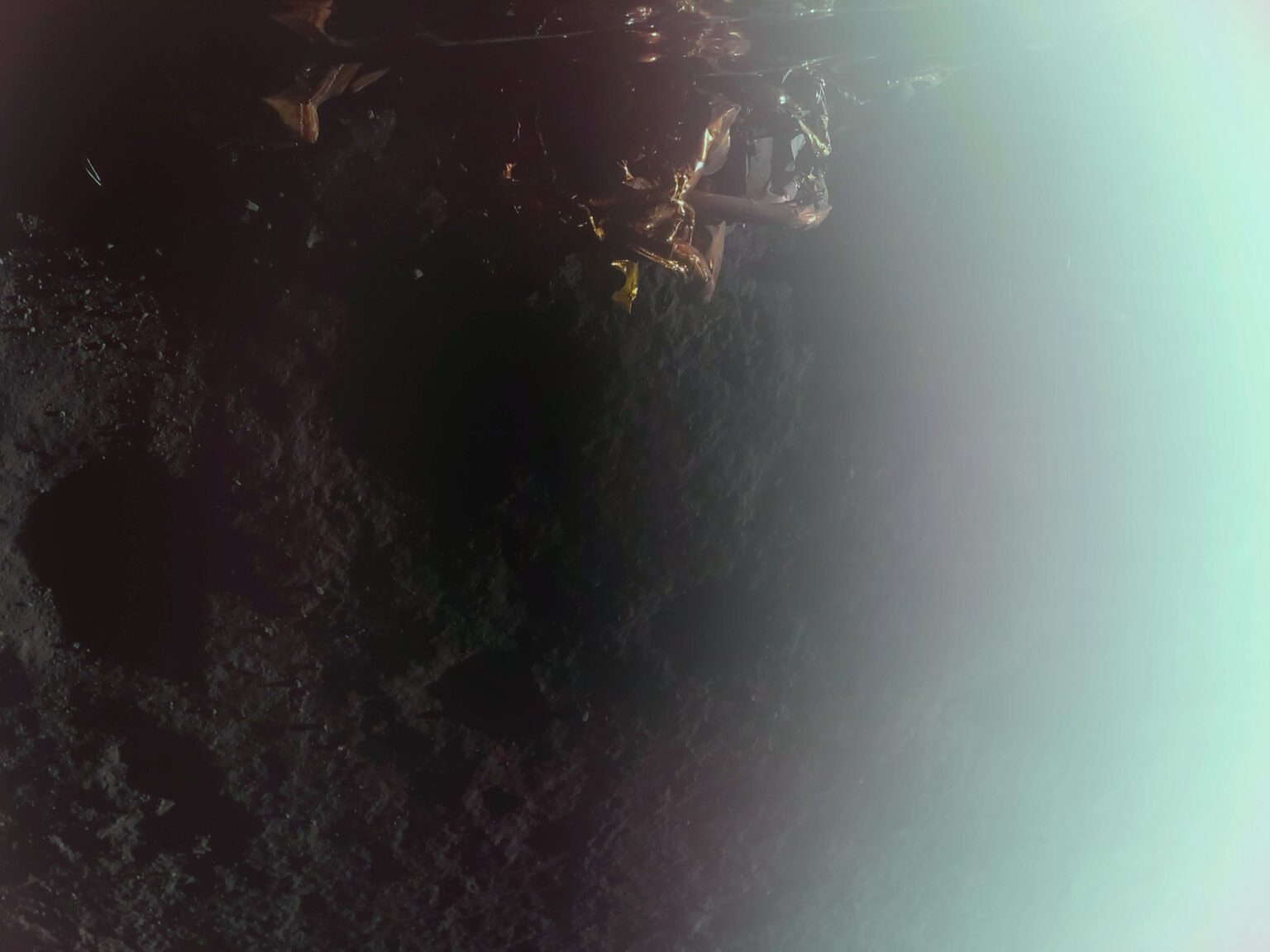
Touchdown! Carrying NASA Science, Firefly’s Blue Ghost Lands on Moon – NASA
Touchdown! Carrying NASA Science, Firefly’s Blue Ghost Lands on Moon
2 Comments
From the article
The Blue Ghost lander is in an upright and stable configuration, and the successful Moon delivery is part of NASA’s CLPS (Commercial Lunar Payload Services) initiative and [Artemis](https://www.nasa.gov/feature/artemis/) campaign. This is the first CLPS delivery for Firefly, and their first Moon landing.
The 10 NASA science and technology instruments aboard the lander will operate on the lunar surface for approximately one lunar day, or about 14 Earth days.
“This incredible achievement demonstrates how NASA and American companies are leading the way in space exploration for the benefit of all,” said NASA acting Administrator Janet Petro. “We have already learned many lessons – and the technological and science demonstrations onboard Firefly’s Blue Ghost Mission 1 will improve our ability to not only discover more science, but to ensure the safety of our spacecraft instruments for future human exploration – both in the short term and long term.”
Since [launching](https://www.nasa.gov/news-release/liftoff-nasa-sends-science-tech-to-moon-on-firefly-spacex-flight/) from NASA’s Kennedy Space Center in Florida on Jan. 15, Blue Ghost traveled more than 2.8 million miles, downlinked more than 27 GB of data, and supported several science operations. This included signal tracking from the Global Navigation Satellite System (GNSS) at a record-breaking distance of 246,000 miles with the [Lunar GNSS Receiver Experiment](https://www.nasa.gov/centers-and-facilities/goddard/nasa-and-italian-space-agency-test-future-lunar-navigation-technology/) payload – showing NASA can use the same positioning systems on Earth when at the Moon. Science conducted during the journey also included radiation tolerant computing through the Van Allen Belts with the [Radiation-Tolerant Computer System](https://www.nasa.gov/missions/artemis/nasa-to-test-solution-for-radiation-tolerant-computing-in-space/) payload and measurements of magnetic field changes in space with the [Lunar Magnetotelluric](https://www.nasa.gov/missions/artemis/clps/nasa-instrument-on-fireflys-blue-ghost-lander-to-study-lunar-interior/) Sounder payload.
“The science and technology we send to the Moon now helps prepare the way for future NASA exploration and long-term human presence to inspire the world for generations to come,” said Nicky Fox, associate administrator for science at NASA Headquarters in Washington. “We’re sending these payloads by working with American companies – which supports a growing lunar economy.”
I find it disappointing that it didn’t land in Mare Serenitatis.