
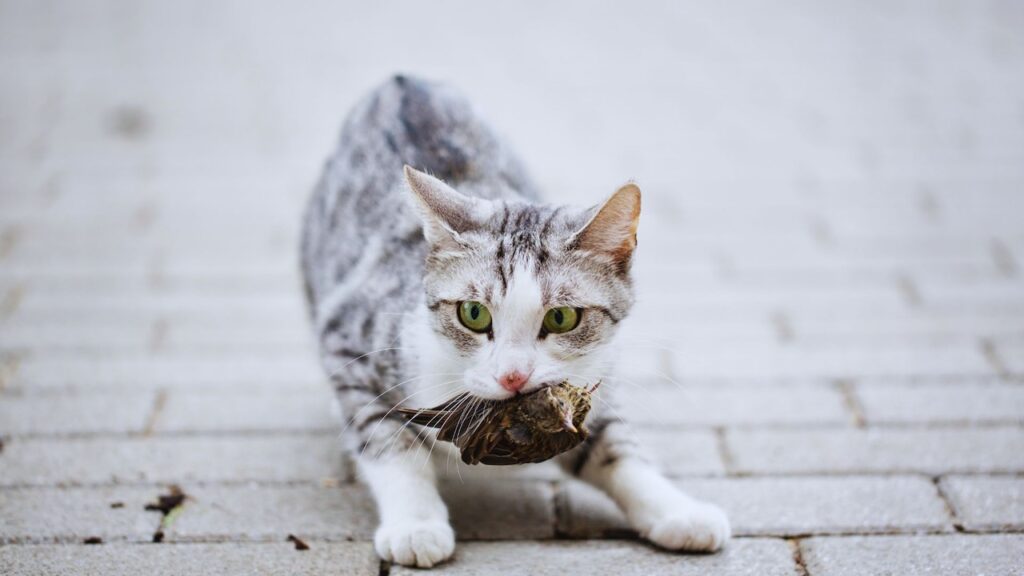
An additional four cats in Hunterdon County have tested positive for bird flu, county health officials announced Thursday.
The news comes one week after the state confirmed two other cats with bird flu on the same property. Individuals who had close contact with the sick cats are undergoing “daily symptom monitoring” and all are asymptomatic, according to a press release.
Of the six feline bird flu cases, at least one developed severe disease, including neurologic signs, and was euthanized, state officials said previously.
A spokesperson for the state Department of Health did not immediately respond Friday to whether additional cats have been euthanized.
“I am advised that the risk of H5 infection to the general population continues to remain low, but the Hunterdon County Health Department will continue to take proactive action including educating those at greater risk for exposure which includes agricultural workers,” said County Commissioner Shaun C. Van Doren in a press release.
Bird flu spreads most quickly through bird-to-bird contact, as its name suggests. The disease is currently widespread in wild birds worldwide, according to the Animal and Plant Health Inspection Service’s wild bird surveillance program.
But bird flu can also infect other animals — such as dairy cows, rats, and cats — after coming into contact with wild birds or poultry. The disease has been detected in all 50 states, causing outbreaks among commercial poultry and backyard flocks, as well as U.S. dairy cows, according to surveillance data.
As of November, more than $1.4 billion has been spent on the response to ongoing bird flu outbreaks in animals, and the egg supply continues to suffer, according to the CDC’s latest risk assessment of the H5N1 strain.
Although bird flu is spreading in the animal kingdom, the threat to the general U.S. population remains low. However, human infections can happen when enough virus gets into a person’s eyes, nose or mouth, or is inhaled.
The CDC has reported 70 human cases in the U.S. since 2024, the majority associated with exposure to infected animals, including poultry and dairy cows.
There has been no reported person-to-person transmission, according to the CDC.
As of Friday, there have been no reported cases of H5N1 bird flu in humans or cattle in New Jersey.
Pet owners are being advised to take the following steps to protect themselves and their pets:
- Do not feed cats raw milk or dairy products, and avoid feeding any raw or undercooked meat.
- Keep cats indoors.
- Keep cats away from livestock, poultry, and their environments.
- Avoid contact with sick or dead birds and other wildlife yourself.
- Thoroughly wash hands after handling your cat and after any encounters with poultry, livestock, or wild birds and other animals.
- Change clothes and shoes, and thoroughly wash any exposed skin, after interacting with sick or dead animals that may harbor the H5N1 virus, and before interacting with your cat.
- Contact a veterinarian if you notice signs of H5 HPAI or think your cat might have been exposed to the virus.
State health officials previously said the cats tied to the Hunterdon County incident had no known exposures to infected poultry or livestock, nor did they consume raw milk or meat. However, the cats did roam freely outdoors, so exposure to wild birds or other animals is unknown.
New Jersey residents should contact their veterinarian immediately if they suspect their cat may have H5 bird flu. Sick stray or feral cats can be reported to the local animal control for assistance.
According to the state Department of Health, clinical signs of bird flu in cats can include:
- General signs: loss of appetite, fever, lethargy
- Respiratory signs: discharge from the eyes and mouth, sneezing, coughing, difficulty breathing
- Neurologic signs: seizures, circling, wobbling gait, blindness.
Thank you for relying on us to provide the journalism you can trust. Please consider supporting NJ.com with a subscription.
Jackie Roman may be reached at jroman@njadvancemedia.com.