
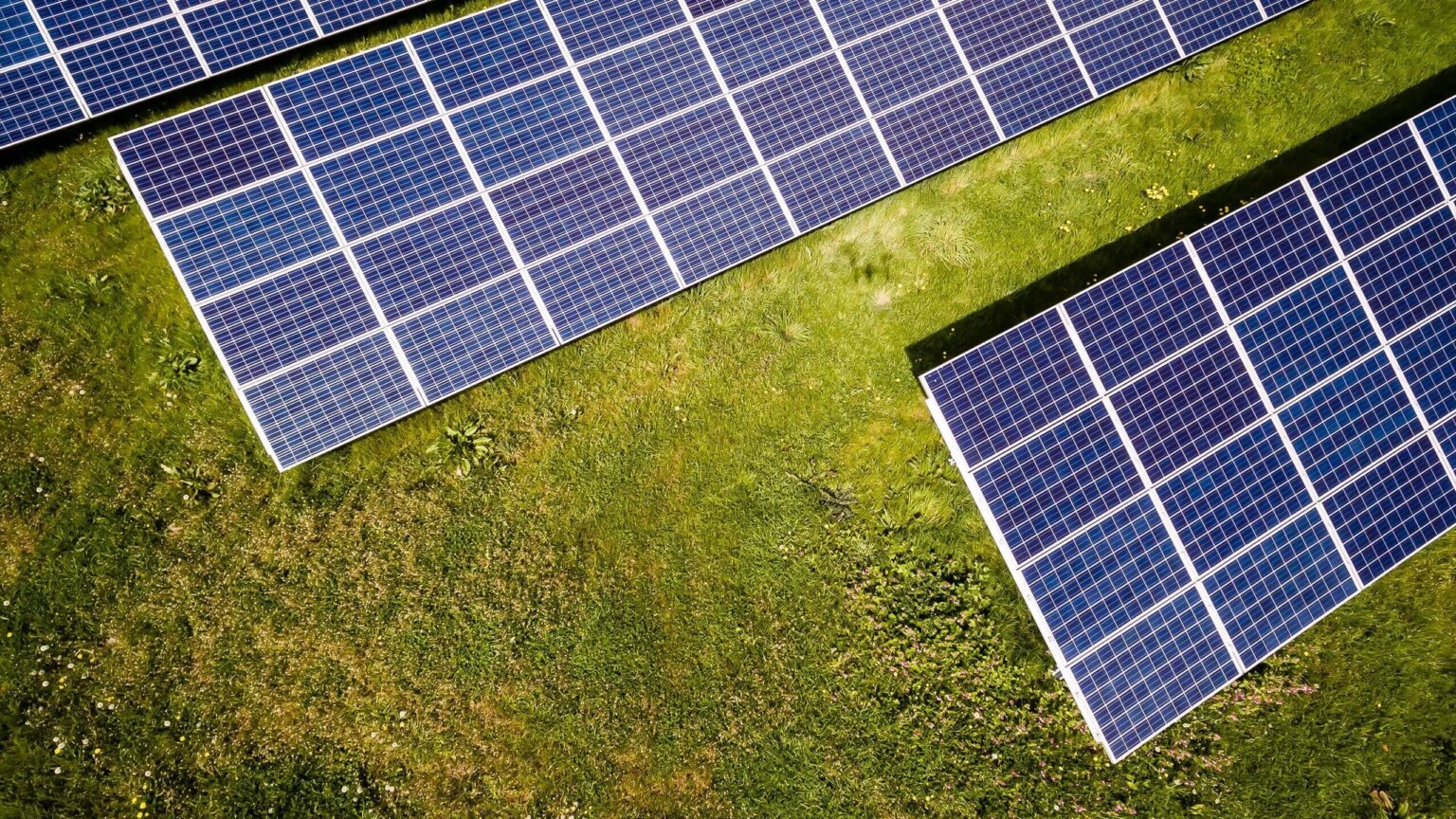
The Michigan city of Ann Arbor is building a second power grid alongside the old one. The new grid will be publicly owned, 100% renewable and connect local neighborhood micro-grids.
https://techxplore.com/news/2025-03-ann-arbor-sustainable-energy-aims.html?
12 Comments
Submission Statement
Initiatives like this challenge the current model of electricity consumption and distribution, which is investor-owned and focused on short-term profits for the investors.
However, as solar prices continue to decrease, it’s possible that home-produced renewable electricity will be the cheapest overall. I suspect, in the future, we’re going to be hearing more and more about the battle between these 2 ways of getting things done.
Defend it. Republicans will come hard to stop it. They’re favorite tactic is to outlaw it at the state level. Republicans stopped towns from operating their own ISPs across the country by outlawing them at the state level.
Look, more power to them, and i hope it works out, but solar panels in a region with snow, hail, and lots of overcast days sounds like a bad idea if you want to actually save money
Its gotten where I can’t imagine a public service not being outsourced to make one person really wealthy that benefits a lot of people.
Renewable, green and cheap?
This seems almost, un-American. Strange even.
I assert that responsible municipalities *know* this is basically a best-practice and a rationally sustainable opinion moving forward. More of this aallll over the place would be magnificent.
**This** is *The Way*™!!
The grid is so fucked, every city should be doing something like this for pure resiliency.
AI and Data centers are sucking up more power load than we’ve seen in human history, a hockey stick growth that we cannot meet in the coming years.
When I see stuff like trade war and Canada crippling our energy costs it has major long term effects. Politics is so short sighted. In 2035 we’re going to be asking why no one did anything about it a decade ago. Add in the climate change effects and its going to be hell.
I’m so glad this is happening because DTE is the fucking worst. I called them to my house in 2022 because there are several giant trees that they let grow directly over the power lines and they told me it was a minimal risk. That winter I lost power twice and each time it was for around three days and one of the times it was 0 degrees outside. All they gave me for this was something like a $15 credit on one of my bills.
After all this I call them again and explain how its clearly a danger and all they tell me is maybe we will get to it in 2025. I highly doubt they get around to in the next few years and my entire neighborhood and many surrounding areas have most if not all of the lines threatened because they didn’t do simple preventative maintenance. Yet they are still constantly trying to get rate hikes and squeeze even more out of us so they can pay out more to their executives and shareholders.
It is the fiduciary duty of the executives running utility companies to make more money each quarter, and that simply isn’t compatible with providing quality service when they are a monopoly.
This is what I like to see. Now pass laws that say this can *never* be sold to private entities, not even 1%. Otherwise this could easily be another ploy to use public funds to build private infrastructure as it gets sold off for pennies on the dollar when people are asleep.
You wish! Truth is oligarchs will force a subscription economy whether you like it or you prefer jail. Look at solar in Florida
DTE:
“Oh boy! Time to raise everyone’s rates for even shittier service in the rest of the area to compensate”
How would one go about getting this started in our own state/city? Feel like micro grids are the way to go.
Ensuring that every state is on the same page too (shared learnings, DOE on new additions to the system, etc). Seems like a great idea to me. We just need the right people managing.
Enough of the bs. Lets take out planet back lmao
Austin, Texas, has a municipal power provider. Other than a few similar providers in other cities, the rest of Texas is deregulated. THe grid is run by a managed utility (ERCOT), but most plants are owned by private companies.
During the big Texas storm in 2021, Austin’s plants that were up at the time stayed up. (At least one was down for planned maintenance.) Note though that most of these plants aren’t in Austin – the city provider owns wind farms in west Texas, for example. The power supplies the grid. ERCOT runs the grid.
ERCOT would not let Austin use their own power. The sources stayed up, but Austin had to turn off power to the vast majority of their customers. That’s because other areas had more critical needs. As other plants failed, the goal was to keep hospitals and other critical grids up, but drop everything else to avoid a total grid collapse. It worked and the grid was saved, but people froze and died in the process.
How can Austin avoid losing access to their own power in future events? The obvious answer is to integrate that power into the circuits they serve. If my neighborhood’s grid, which includes residential, commercial, and yes a hospital, generates as much power as it consumes, then there’s no reason to shut it down. That power can’t be separated from the consumers without going house by house to flip the master breakers.
So yes, I see micro, self-powered grids in major cities as the way to regain control over the power network.