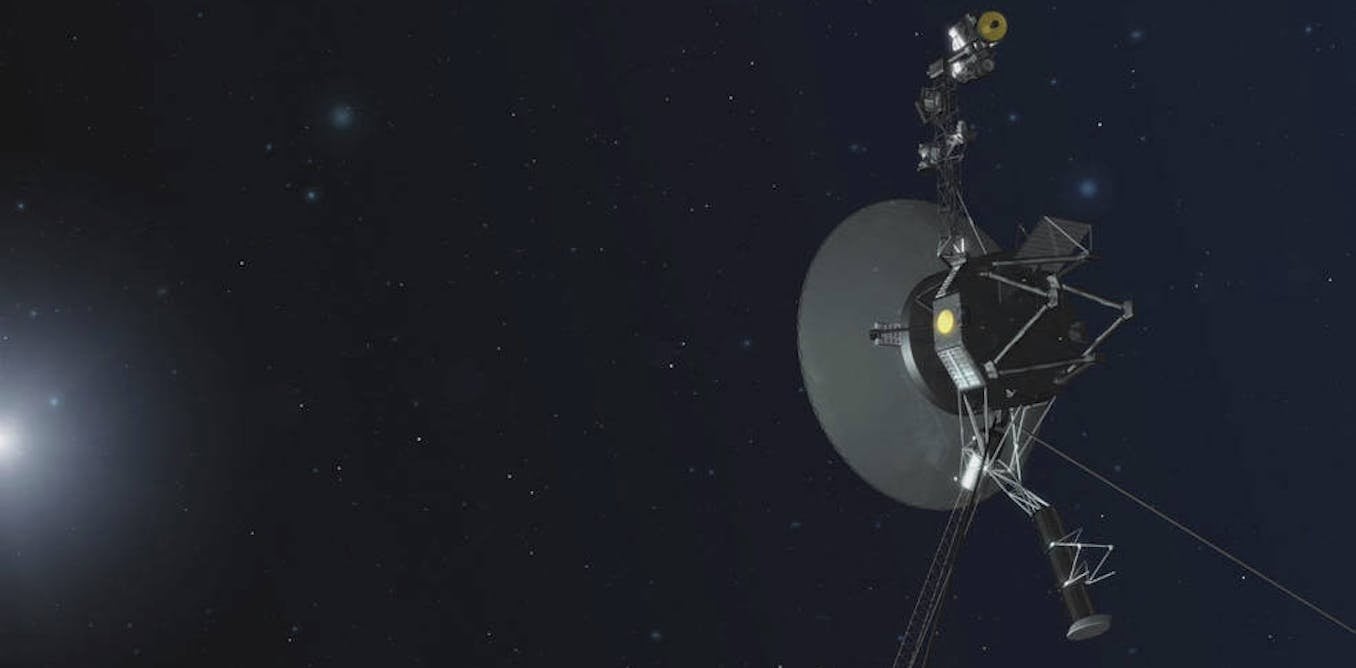
Radioisotope generators − inside the ‘nuclear batteries’ that power faraway spacecraft
https://theconversation.com/radioisotope-generators-inside-the-nuclear-batteries-that-power-faraway-spacecraft-248504

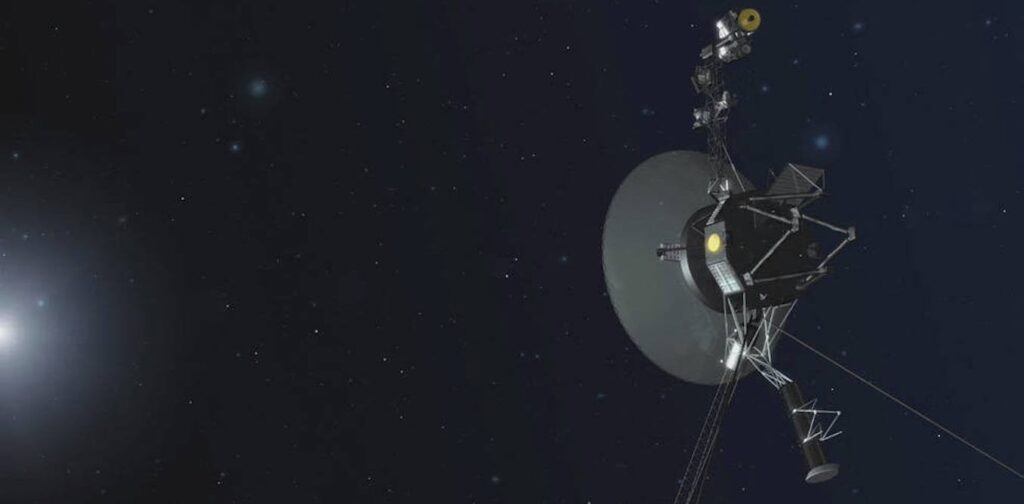
Radioisotope generators − inside the ‘nuclear batteries’ that power faraway spacecraft
https://theconversation.com/radioisotope-generators-inside-the-nuclear-batteries-that-power-faraway-spacecraft-248504
2 Comments
The plutonium they use is scarce. I think it was a byproduct of the processing to build bomb cores. I think they can make it while reprocessing decommissioned warheads too. Last I read the Savannah River plant might have been involved.
The article is about direct conversion RTGs, which directly convert (radioactively created) thermal energy to DC electric power, but there is another way, that is to use radio-isotope driven Stirling engines. In the latter case, the radioactive generated heat is converted into motion by heating a gas in a piston, driving mechanical motion and converting it into electrical power. NASA continues to research the [Advanced Stirling radioisotope generator](https://en.wikipedia.org/wiki/Advanced_Stirling_radioisotope_generator) today, despite some early setbacks.
We rarely see info on either of these technologies, probably because of the [public safety concerns raised in the past](https://www.animatedsoftware.com/cassini/mk9708so.htm). In the case of the Cassini mission, these concerns [led activists to issue lawsuits and protests at the launch](https://www.engadget.com/2017-09-13-nasa-cassini-mission-lawsuit.html).