
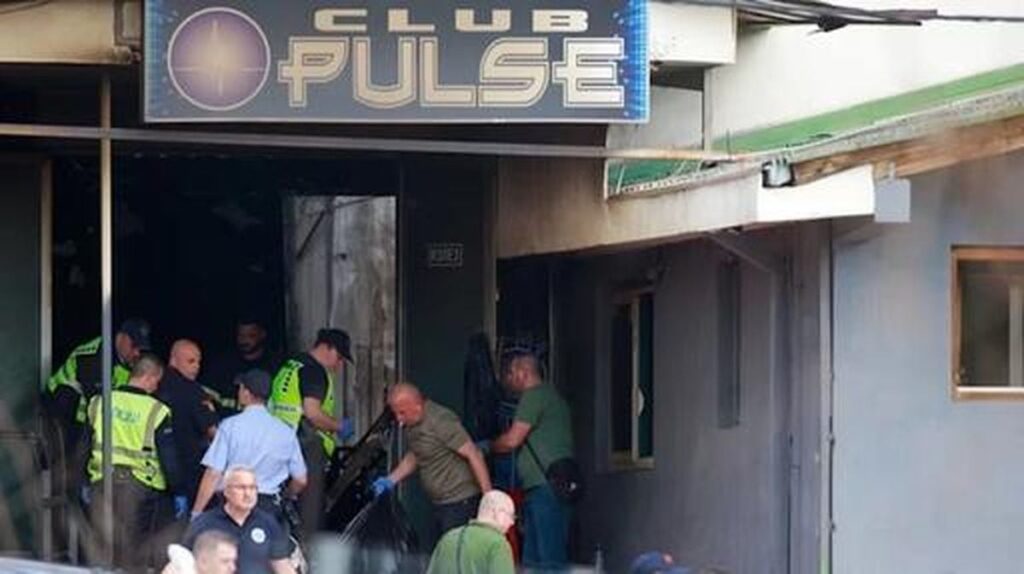
A tragic fire at Club Pulse in Kočani, North Macedonia, early on March 16, 2025, has claimed the lives of 59 people and left approximately 155 injured, with authorities now facing intense scrutiny over safety violations. The blaze broke out around 2:30 AM local time during a performance by the local hip-hop group DNK, who were entertaining nearly 500 people at the time, well above the club’s 250-person capacity. Eyewitnesses reported sparks from on-stage pyrotechnics igniting the ceiling, causing flames to engulf the venue.
This appalling incident has thrust North Macedonia’s safety regulations and the integrity of its entertainment venues under the spotlight. Eyewitnesses described chaotic scenes as concertgoers rushed toward the venue’s only exit, which was blocked, leading to scores being trampled. Panache Toshkovski, the North Macedonian Interior Minister, stated, “This company does not have a legal licence for work,” emphasizing the club’s lack of proper operating permits.
The prediction of casualties among the victims was distressingly accurate; many were young people aged between 16 and 24, attending what was meant to be a night of entertainment. Only one member of DNK survived the inferno and is reportedly hospitalized in intensive care. Local reports indicate there was only one exit, which significantly contributed to the panicked rush for safety. Marija Taseva, a 20-year-old concertgoer, recounted, “We even tried to get out through the bathroom, only to find bars on the windows,” reflecting the desperate conditions many faced.
The tragedy has ignited public outrage, leading to protests demanding accountability from local officials. During the protests, demonstrators called for the resignation of Kočani’s mayor and the nightclub’s management. Anger intensified as it was revealed the venue had previously been issued permits under dubious circumstances, with suggestions of bribery and corruption tied to its operations. Prime Minister Hristijan Mickoski commented on the situation, noting, “There are grounds for suspicion of bribery and corruption… This is the culmination of a bad, neglected system.”
The North Macedonian government has since declared seven days of mourning for the victims and has initiated nationwide inspections of all nightclubs to reevaluate safety protocols. Inspections so far have revealed severe safety deficiencies within Club Pulse, including only two fire extinguishers and the absence of fire alarms or additional emergency exits. Statements from forensic authorities noted the venue had been misclassified, functioning as a nightclub when it had been registered as an industrial facility.
Alongside these concerns, the public is reeling from personal stories—the heart-wrenching accounts of lost loved ones. Dragi Stojanov, who lost his only son, voiced his despair: “I lost everything,” encapsulating the grief many families are enduring. A mother by the name of Petra Zlatevska, mourning her cousin Sara Projkovska, who was performing during the fire, remembered her as “so impactful” and “highly sought after” within the music scene. Projkovska, aged 48, was recognized not only for her talent but also for fostering collaboration within the artistic community.
Local officials are now forced to grapple with their responsibility, as citizens express frustration over the perceived complacency of local leaders. Following the incident, Mayor Ljupco Papazov has resigned amid calls for accountability over what many view as systemic negligence contributing to this disaster. The aftermath of such humanitarian suffering demands comprehensive reflection on the practices and regulations governing venues across the nation.
This incident serves as another tragic reminder echoing concerns over nightlife safety worldwide. North Macedonia’s government faces increasing pressure to implement and uphold stringent safety standards to safeguard future generations. The community remains united under grief, demanding justice for all those lost and paving the way for reforms to avert such tragedies.
On the international stage, condolences have poured in from leaders across Europe as the country begins its healing process. There remains, nevertheless, work to be done to restore faith and security within North Macedonia’s vibrant social culture, as citizens rally together vowing to honor the deceased by demanding safer environments for all.