
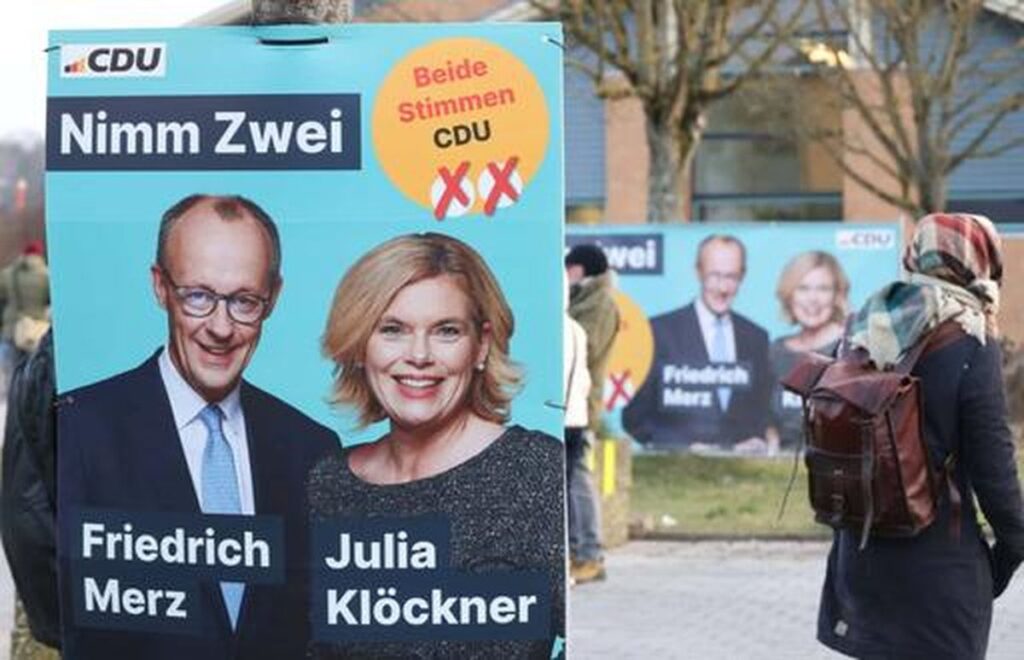
Coalition negotiations are underway as the CDU, CSU, and SPD work to form a new government for Germany. With high expectations and tight timelines, the parties aim to finalize their black-red coalition agreement by March 24, 2025 — only ten days from the start of negotiations, which began on March 14.
The discussions involve sixteen working groups composed of 256 politicians from various levels of government. Each group focuses on different areas, including agriculture, environmental policies, health, and economic strategies. The structure of the negotiations reflects the parties’ proportional representation based on the recent election results: the SPD has seven negotiators, the CDU six, and the CSU three.
Among the key figures, Günther Felßner, the Bavarian Farmers’ Association President, plays a significant role as both negotiator and potential future Minister of Agriculture. There is considerable concern about his interests and past controversies, which include being fined 7,200 Euros for soil and water pollution. His statements during recent protests, such as declaring “Esst Fleisch fürs Klima!” (Eat meat for the climate!), have added fuel to the fire of opposition against his anticipated appointment to such a pivotal role.
Critics like Léa Briand from the transparency initiative Abgeordnetenwatch have emphasized the need for more diversity and representation within the negotiations. She pointed out the underrepresentation of women, who only comprise 36.4% of the negotiators, compared to 50.7% of the general population. “Eine lebendige Demokratie lebt von Vielfalt und gleichberechtigter Teilhabe” she stated, highlighting the issue of representation.
This demographic imbalance raises concerns not only about the political composition but also about the potential policy outcomes. The average age of negotiators is approximately 49.8 years, skewing significantly older than the average German citizen, who is about 44.6 years old. The oldest negotiations team belongs to the CSU, with members averaging 51.4 years.
Environmental groups worry about the coalition’s handling of agriculture versus ecological sustainability. There are fears among conservationists, like Jörg-Andreas Krüger from the Naturschutzbund, who argue against combining the negotiation topics of agriculture and environment, indicating this undermines the urgent need for separate focus on both areas. “Diese beiden Themenkomplexe mit großen, individuellen Herausforderungen sollten nicht in einen Topf geworfen werden,” he stated.
Joachim Rukwied, President of the German Farmers’ Association, has called for clear changes benefiting the agricultural sector, insisting upon effective policies addressing structural issues rather than only superficial agreements. He views the planned reinstatement of the agricultural diesel refund as just one important step, stating, “Die Wiedereinführung der Agrardiesel-Rückvergütung ist ein erster wichtiger Schritt, aber weitere Punkte müssen zwingend folgen.”
Concerns about lobbying also persist, especially as many negotiators include active politicians who hold ties to agricultural interests. Timo Lange from Lobbycontrol expressed worry about vested interests overshadowing genuine representation of public needs. He said, “Die Union muss jetzt zeigen, dass sie aus vergangenen Lobbyskandalen wie der Maskenaffäre gelernt hat.”
The issue is timely, with young voters feeling alienated from the decision-making processes dominated by older politicians. With the SPD’s alliance, which includes key roles for relatively younger figures, concern also mounts over whether the voices of younger Germans will adequately influence policy direction.
On the broader agricultural front, the cooperative sector has requested more governmental support—pointing out the economic viability of cooperative structures, which employ over one million people and contribute significantly to Germany’s economy. The cooperative associations assert the need for representation within the new coalition government.
Germany’s agricultural and environmental futures hinge on the decisions made during this negotiation period. It is evidently clear, based on stakeholder comments, how these figures and their decisions will shape the lives of many, including farmers, consumers, and environmental advocates alike.
The challenge will be ensuring these negotiations accommodate the diverse needs of all citizens, not just those with immediate economic or agricultural interests. With mounting pressures from all sides, the coming days will be telling for both the coalition negotiations and the future of Germany.