
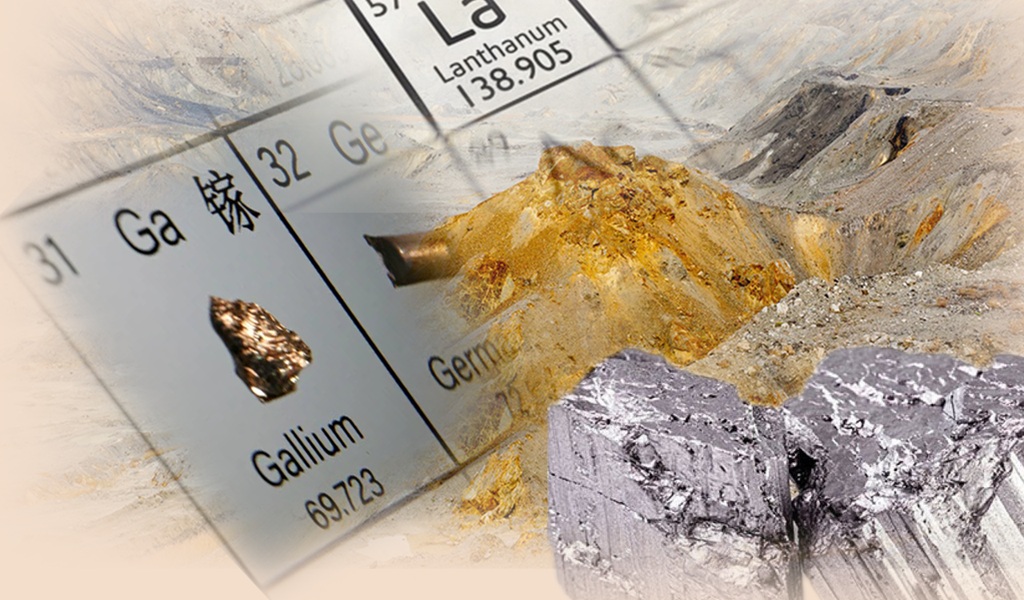
Last week, the European Commission published a list of 47 strategic projects aimed at boosting European production of 14 of the 17 materials it considers critical for its energy transition and security, including rare earths. The selection of these projects, including Metlen’s ambitious gallium project, marks a significant step in implementing the Critical Raw Materials Act (CRMA).
This law sets targets for 2030, including extracting 10% of the EU’s annual consumption, processing 40%, and recycling 25% of these key materials. This is particularly significant in a sector currently dominated by China.
The landscape is changing
However, a report on rare earths from China, published by a state-backed research institute, describes a new landscape emerging in the global market, featuring new players. A few days ago, the Chinese Academy of Sciences reported in a publication that China’s dominance in the rare earths sector may be coming to an end.
And the revelation doesn’t stop there…
It also describes how new mines in Australia, South Africa, and elsewhere, as well as Greenland’s Kvanefjeld project, could reshape the rare earths ecosystem in the years to come. This could partly explain why the US, under President Donald Trump, is so obsessed with Greenland. With the publication of this report, some experts believe that the changing scenario will favor the United States.
A shock for the rare earth metals market
The study, published in the Chinese journal Rare Earths, is a rare admission of an impending fundamental change. The CAS team utilized an advanced modeling tool to simulate global demand and mining outlooks between 2025 and 2040. However, it did not take political influences into account for its projections.
Losing market share
Based on the results, the research team concluded that China’s share of approximately 62% in raw materials could be reduced to around 28% by as early as 2035. The primary reason is the emergence of new sources of rare earth metals. Incidentally, the research team is based at the CAS Ganjiang Academy of Innovation in Ganzhou, eastern China, one of the world’s largest production centers for critical metals.
Today, China’s dominance of the supply chain for rare earths and other critical metals is almost universal. The country holds approximately 60 percent of the world’s reserves and processes around 90 percent of all rare earth metals. As a result, Beijing has a near-monopoly on the supply of rare earth materials, which are crucial for electric vehicles, electronics, and even military equipment.
The United States, Africa, and other global players
Since China produces about two-thirds of the world’s supply of rare earth metals, the US is seeking alternatives.
A 2024 report by the United States Geological Survey stated that there were approximately 110 million tons of deposits scattered worldwide. Of these, approximately 44 million tons are located in China, followed by 22 million tons in Brazil, 21 million tons in Vietnam, 10 million tons in Russia, and around 7 million tons in India.
Now, it appears that Africa could also become a significant player in the rare earths supply chain. Led by South Africa’s Steenkampskraal mine and other projects in Tanzania, experts predict that Africa’s share could rise from around 1% to 7% by 2040.
However, as metalminer.com points out, there is a red flag to consider, as Chinese investment is funding many of the African projects, which is something the US is viewing with dismay.
The report also stated that Brazil’s Serra Verde and other projects related to heavy rare earths, such as dysprosium, could cover approximately 13% of the global supply by 2040. There are caveats, such as environmental regulations.
The CAS report noted that Australia’s neodymium-rich Mount Weld mine and the Olympic Dam mines, which produce copper and uranium as byproducts, are establishing refining networks to circumvent China.
New discoveries from China and the USA
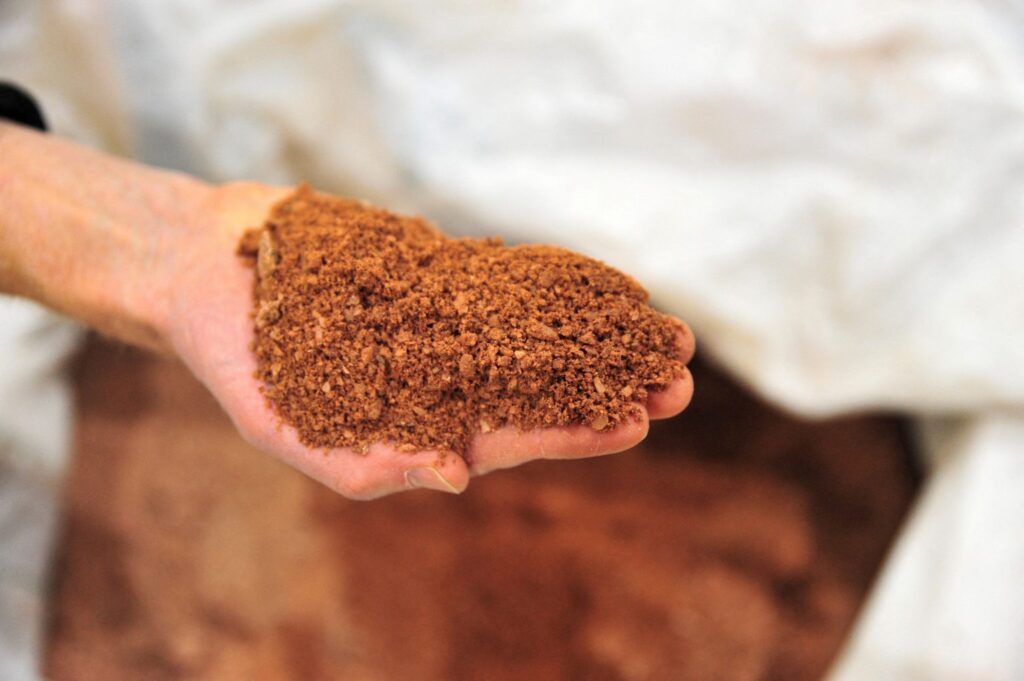
In January of this year, Beijing announced the discovery of a massive rare earth deposit in southwestern Yunnan Province. According to reports citing the China Geological Survey, the 1.5 million-ton deposit contains medium- and heavy-rare earths, including more than 470,000 tons of elements such as praseodymium and neodymium.
At the time, experts said the discovery would further cement China’s pre-eminence as a global leader in rare earths.
On the other hand, US researchers announced in late 2024 that they had identified a domestic treasure trove of critical minerals in the country’s coal ash deposits.
The report also claimed that coal ash, a byproduct of burning coal for energy that is typically part of industrial waste, could contain approximately 11 million tons of rare earth elements, or about eight times the amount of the known domestic rare earth reserves.
This discovery, made by a team from the University of Texas at Austin, reveals rare earths worth US$8.4 billion. The report has led some experts to argue that tapping these reserves could dramatically change the dynamics of the rare earth metals supply chain and reduce the US’s reliance on imports.
Metlen’s “checkmate” move
Even if the predictions of the Chinese researchers are not confirmed, Metlen Energy and Metals focuses its strategy on expansion in critical metals, with a firm focus on primary production and the organic growth of the group, and always with an emphasis on its own innovation and production at the lowest possible cost.
In fact, later this month, the company’s President and CEO, Evangelos Mytilineos, will unveil the group’s new strategic goals at Capital Markets Day in London, marking the beginning of a new growth cycle and introducing some significant business moves.
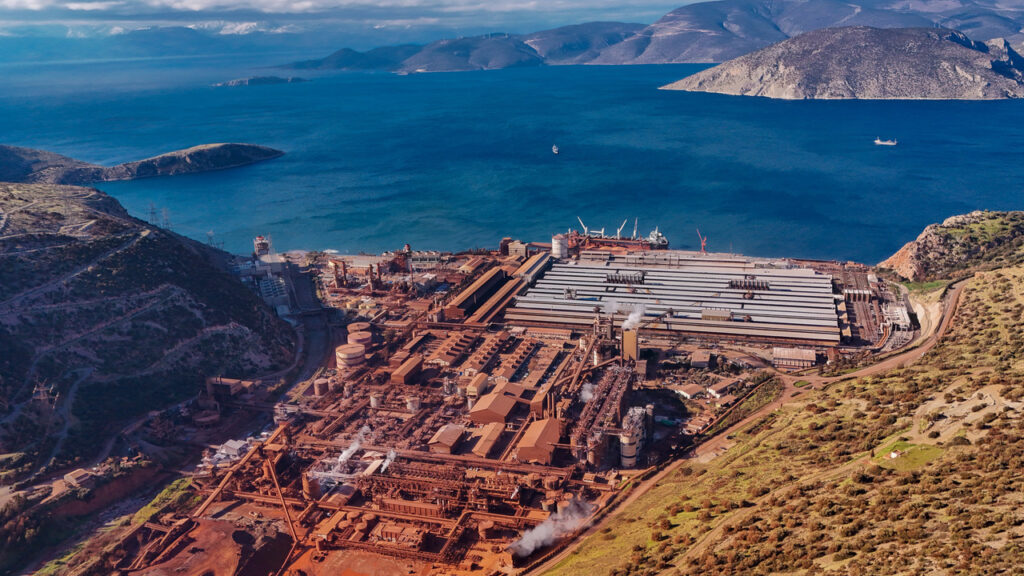
In this context, critical metals, for which there is a steadily increasing demand due to their applications in technology, defense, and energy transition, provide promising ground for investment, putting Greece on the map of developments.
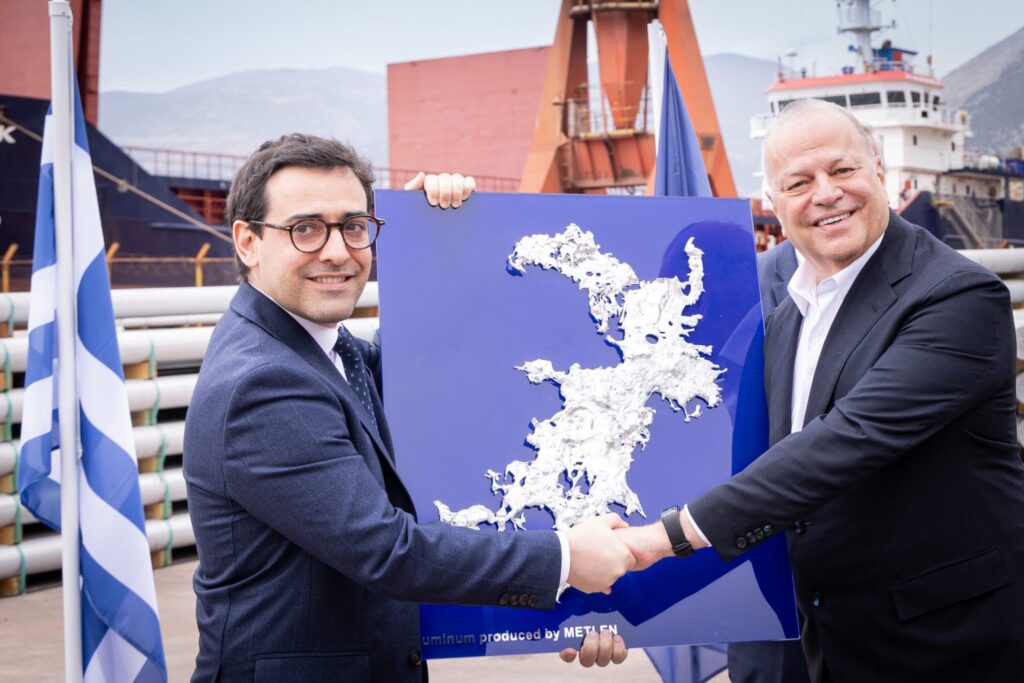
Moreover, as the Executive Vice-President of the European Commission, Stéphane Séjourné, himself emphasized, who last month visited Metlen’s facilities in Agios Nikolaos, Viotia, Greece can play a crucial role in securing critical raw materials.
By Natalia Dandolou. Translated by Paul Antonopoulos.
READ MORE: Greek and Turkish Foreign Ministers Hold Talks at NATO Summit in Brussels.