Type One Energy Begins Testing Advanced Fusion Magnet for Stellarators – Type One Energy
Type One Energy Begins Testing Advanced Fusion Magnet for Stellarators

Type One Energy Begins Testing Advanced Fusion Magnet for Stellarators – Type One Energy
Type One Energy Begins Testing Advanced Fusion Magnet for Stellarators
2 Comments
From the article
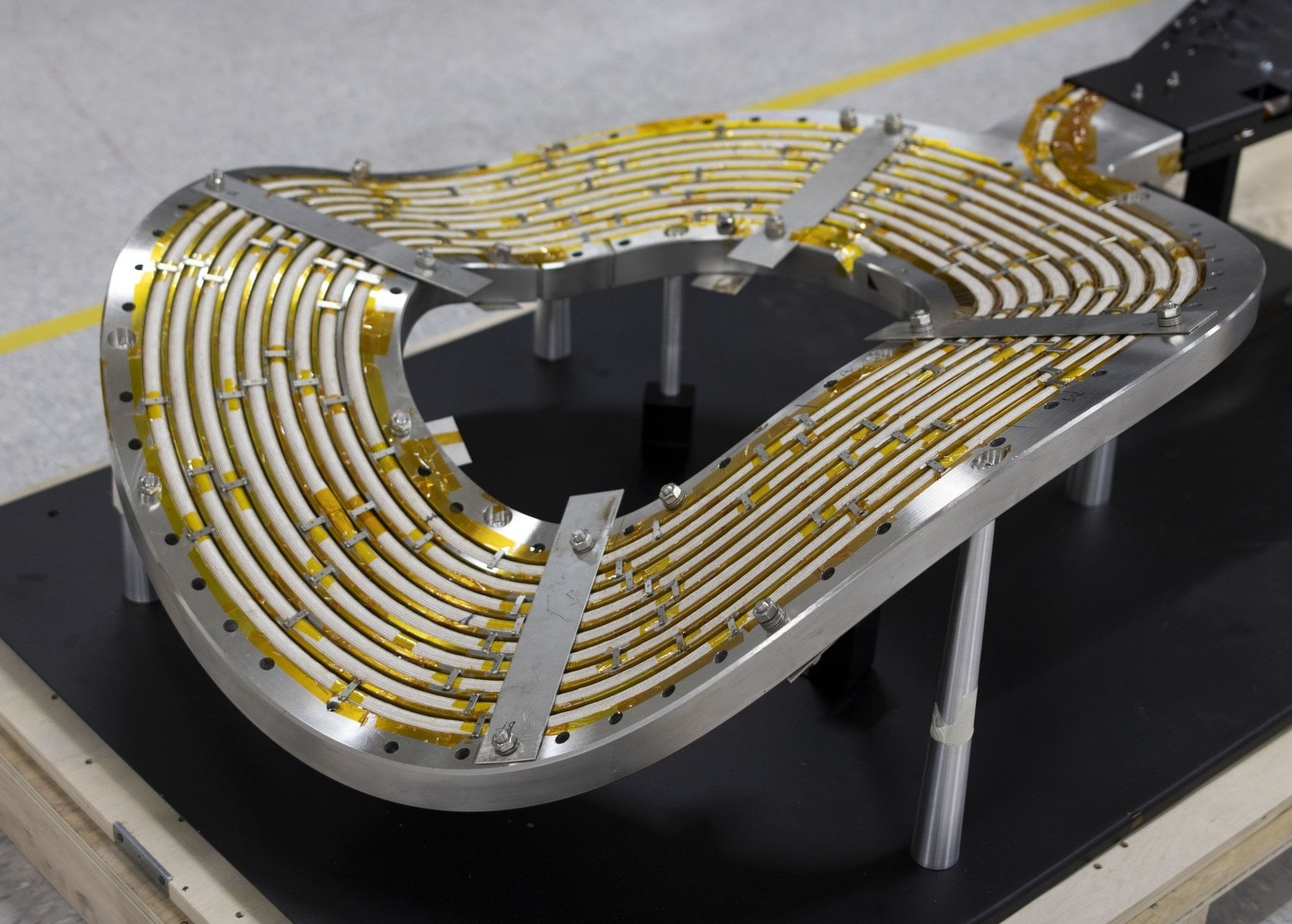
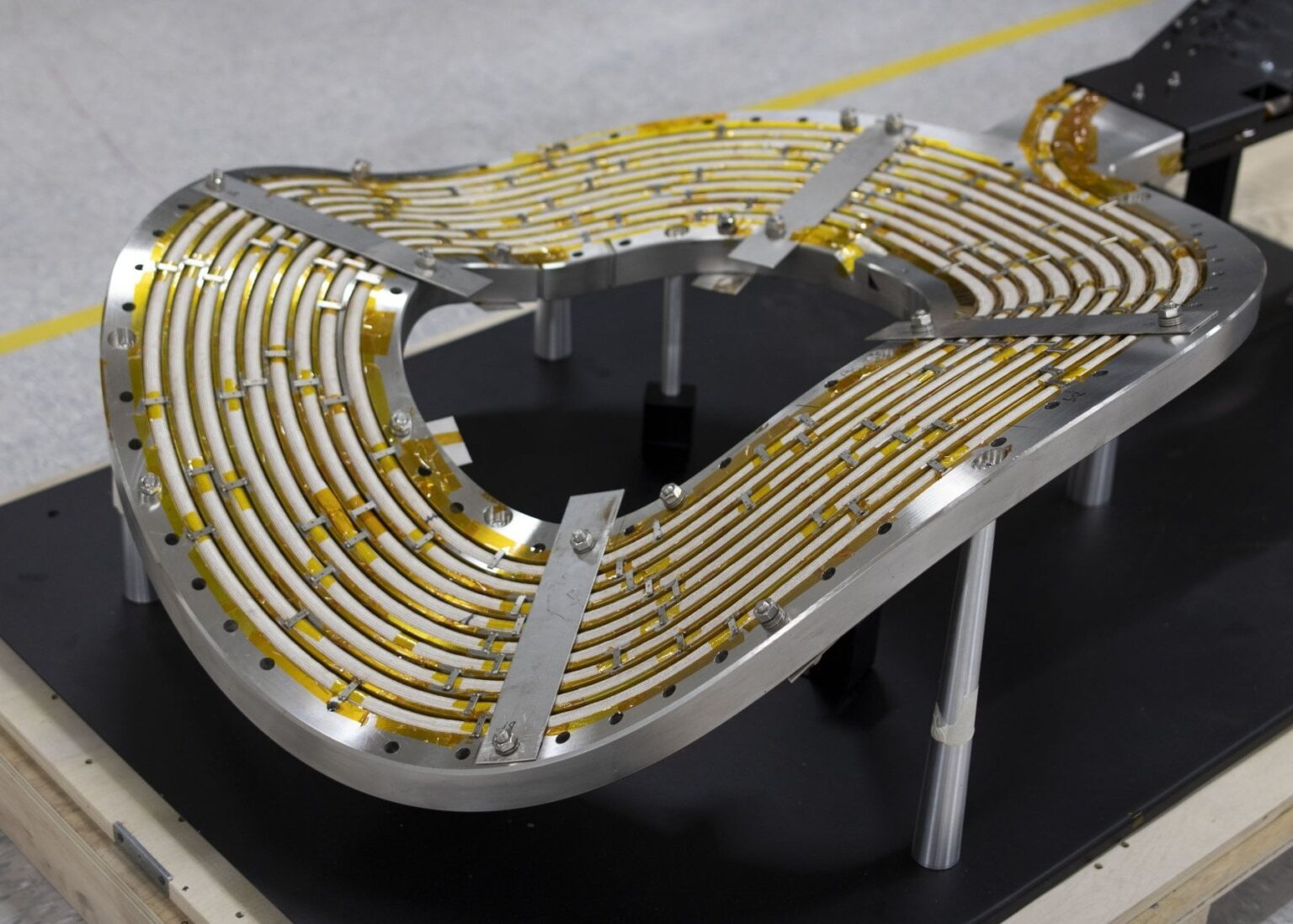
>Type One Energy announced today that early results from its testing campaign confirm the essential design elements of the company’s groundbreaking high temperature superconducting (HTS) magnet for use in stellarators. Powerful, modular, HTS magnets for use in modern stellarator machines are an essential feature of the characteristics which make this technology today’s lowest-risk, shortest-path approach to commercially viable fusion energy.
>The company successfully conducted an accelerated 18-month development program for the world’s most advanced modular HTS stellarator magnets. This program was based on the company’s access to the proven Massachusetts Institute of Technology’s (MIT) VIPER technology for HTS cables in stellarator fusion magnets, for which it indirectly received exclusive rights via a sub-license from Commonwealth Fusion Systems (CFS), as previously announced on February 11th, 2025. With strong technical leadership from Type One Energy co-founder and Engineering Fellow, David Anderson, the company built on the foundation of MIT’s technology to design and construct a proprietary, full fidelity technology prototype of its HTS magnet. This prototype includes, among other characteristics, the limiting magnet geometry of its Infinity Two power plant. The prototype’s technology has become part of the baseline design for the potential Infinity Two fusion power plant project being developed for the Tennessee Valley Authority (TVA).
Also from the article
>The tests which Type One Energy announced today validate the performance of its own derivative VIPER technology when used in the complex geometric shapes of a modular stellarator magnet. These tests were performed at a temperature of 77K, well below the threshold for transition to HTS superconductivity. Under the leadership of Jenelle Canny, who manages the Type One Energy HTS Magnet Development Program, the company performed these tests in its Woburn, MA laboratory. They mark the beginning of an extensive magnet performance evaluation campaign, which will move to the MIT Plasma Science and Fusion Center (PSFC) later this spring. The testing campaign will include performance evaluations at lower temperatures and ultimately push the prototype magnet to its limits over the summer.
Some interesting and potentially useful developments in superconductor manufacturing. However;
“…which **[may]** make this technology today’s lowest-risk, shortest-path approach to commercially viable fusion energy **[assuming our gambles pay off] …**”
Fixed that for them.