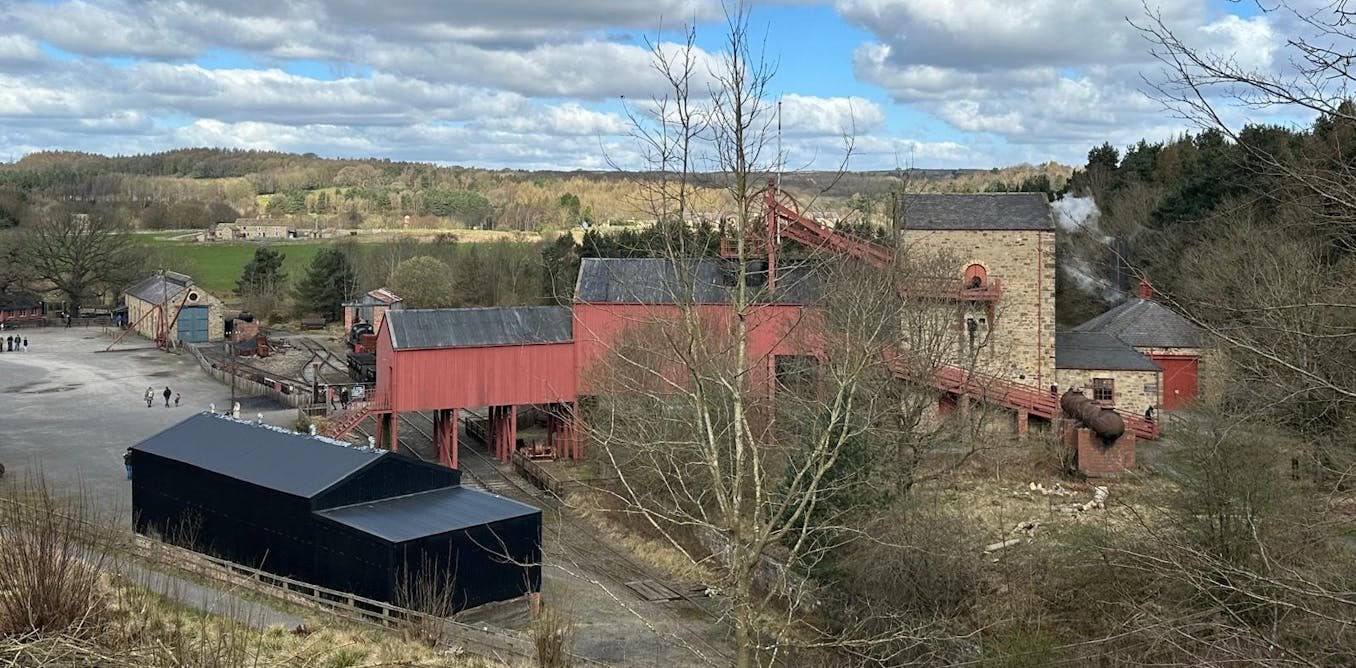
25% of UK population live above disused coal mines. The natural warm waters there could be pumped to provide a source of clean geothermal heating
https://theconversation.com/how-mine-water-could-warm-up-the-uks-forgotten-coal-towns-241834

25% of UK population live above disused coal mines. The natural warm waters there could be pumped to provide a source of clean geothermal heating
https://theconversation.com/how-mine-water-could-warm-up-the-uks-forgotten-coal-towns-241834
2 Comments
* Energy costs have soared across the UK, particularly for gas which provides heating for most Britons.
* Former coal regions have been economically left behind for a long while.
* Pumping hot water, from these mines, to be used to heat homes could help with both issues. It can provide a renewable and clean source of heating, while creating jobs, and reducing energy bills in poorer regions.
* The infrastructure is simple to construct. Operational test facilities have already proven their feasibility.
* New research shows that despite growing interest, projects across the UK continue to be stalled by funding gaps, regulatory hurdles and a shortage of skilled workers.
* New Zealand has demonstrated that clear rules can boost interest in renewable projects. In India, a corporate responsibility law requires companies to invest a portion of their profits into local schemes. Both approaches could help greatly for this and other projects.
I find this hard to believe. How could 25% of the people, which would be 17 million, live above disused coal mines. This would imply more than 25% of UK’s land area were once coal mines, assuming large cities like London were not once coal mines.