>DC charging is decisively faster, with models from Hyundai, Lucid, and others peaking above 250 kW or more on mighty 350 kW chargers. But as Kazemi and other experts are arguing, **the gas-station model of charging is looking less and less like the actual future.** For one, Tesla and other fast chargers are already seeing long, frustrating lines in some cities, even as EVs make up a tiny fraction of cars on the road. A single DC station with four stalls can cost between $470,000 and $725,000 to site, permit, and install—often including transformer upgrades—and can take up to two years from start to finish. Even for larger apartment complexes or residential developments, those costs and timeframes tend to be deal killers. And those DC plugs could only serve a handful of residents at any one time.
How will we charge our electric vehicles in the future? And how will it look different than our current model for gas-powered cars?
SystemDeveloper on
I could see battery swap stations being an option
mrgrassydassy on
I recently got an electric car, and it’s honestly been such a game-changer for me. At first, I was super skeptical about the whole charging thing because I’ve heard all the complaints about the lack of charging stations and how inconvenient it can be. But once I got my first ChargePoint charger installed at home, I realized just how much simpler it makes things. The convenience of charging overnight and never having to worry about running out of gas has been huge. Plus, I’ve used the ChargePoint network while traveling a few times, and I’ve been surprised by how many stations are popping up now, even in places I never expected.
But there’s still room for improvement, especially in more rural areas. When I travel, sometimes I find myself stressing out about whether or not I’ll be able to find a working charger in time, especially in smaller towns. I know these issues are being worked on, and I’m hoping that as the demand increases, more stations will pop up and the process will keep getting smoother. It’s honestly a little wild to think about how far we’ve come in just a few years—there was a time when electric cars felt like a distant dream, and now they’re becoming a real option for more people. I’m excited to see how this all develops over the next few years!
This_Freggin_Guy on
they should start with reliability first.
SabTab22 on
As an EV and plugin hybrid owner I recommend getting one if you can charge at home (with a dedicated 240v outlet in the US) and don’t need to tow things with it.
It’s very convenient to never need to stop at a gas station and just always be charged up in the morning. However if you’re not able to charge at home charging for 30-40 minutes can be a hassle unless it fits your routine.
im_thatoneguy on
This is marketing spam
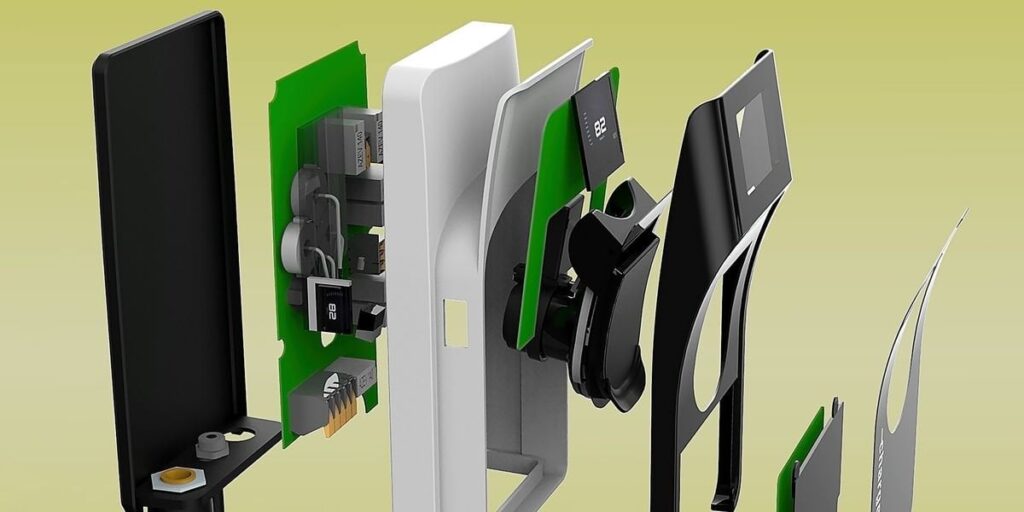
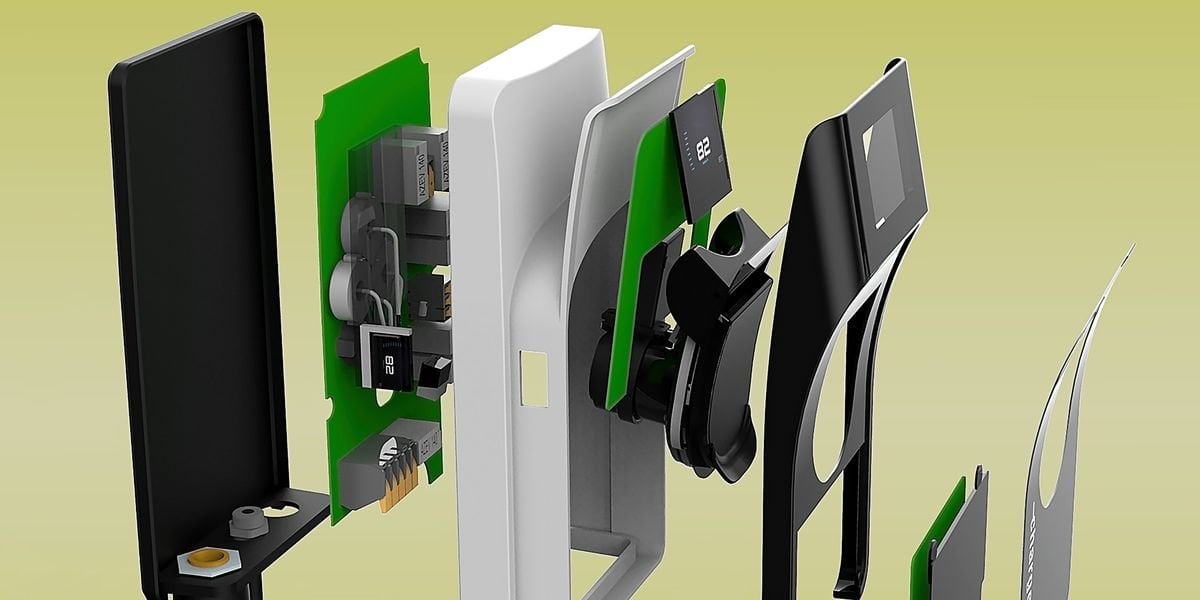
> ChargePoint’s next generation of EV chargers will be revolutionary, not evolutionary,” said Hossein Kazemi, ChargePoint’s CTO
> The California-based company says its new Level 2 architecture can deliver up to 19.2 kilowatts in North America
So 80A.
1) almost no cars can charge that fast from AC power. A number of cars offered it as an option but almost nobody bought it. Because it’s mostly useless at home. You plug in and stay plugged in. Load balancing is more important 99% of the time.
2) the first and second generation Tesla home chargers have delivered that for over a decade. As well as daisy chaining and load balancing. Clipper creek and GrizzlE also have 80A models.
3) few homes can dedicate a full 80A service to just their EV, nor do they need to. Overnight charging is perfectly fine with 32A.
ChargePoint is revolutionizing… catching up with their competitors.
Lemesplain on
They need to stop trying to emulate gas stations. The workflow for EVs isn’t the same as gas: drive until empty, refill, repeat. Instead (assuming you can’t just charge overnight at home) you should be plugging in whenever is reasonably convenient and pulling 25-50% charge.
Put more charging stations at malls, movie theaters, restaurants, metro stations, bowling alleys, libraries, or other places where people are likely to spend at least an hour.
Or at corporate offices. Assuming your commute isn’t 100miles, you should only need to plug in once a week, for half a day.
Fast charging stations should primarily be for people road-tripping their EVs.

7 Comments
**From the article:**
>DC charging is decisively faster, with models from Hyundai, Lucid, and others peaking above 250 kW or more on mighty 350 kW chargers. But as Kazemi and other experts are arguing, **the gas-station model of charging is looking less and less like the actual future.** For one, Tesla and other fast chargers are already seeing long, frustrating lines in some cities, even as EVs make up a tiny fraction of cars on the road. A single DC station with four stalls can cost between $470,000 and $725,000 to site, permit, and install—often including transformer upgrades—and can take up to two years from start to finish. Even for larger apartment complexes or residential developments, those costs and timeframes tend to be deal killers. And those DC plugs could only serve a handful of residents at any one time.
How will we charge our electric vehicles in the future? And how will it look different than our current model for gas-powered cars?
I could see battery swap stations being an option
I recently got an electric car, and it’s honestly been such a game-changer for me. At first, I was super skeptical about the whole charging thing because I’ve heard all the complaints about the lack of charging stations and how inconvenient it can be. But once I got my first ChargePoint charger installed at home, I realized just how much simpler it makes things. The convenience of charging overnight and never having to worry about running out of gas has been huge. Plus, I’ve used the ChargePoint network while traveling a few times, and I’ve been surprised by how many stations are popping up now, even in places I never expected.
But there’s still room for improvement, especially in more rural areas. When I travel, sometimes I find myself stressing out about whether or not I’ll be able to find a working charger in time, especially in smaller towns. I know these issues are being worked on, and I’m hoping that as the demand increases, more stations will pop up and the process will keep getting smoother. It’s honestly a little wild to think about how far we’ve come in just a few years—there was a time when electric cars felt like a distant dream, and now they’re becoming a real option for more people. I’m excited to see how this all develops over the next few years!
they should start with reliability first.
As an EV and plugin hybrid owner I recommend getting one if you can charge at home (with a dedicated 240v outlet in the US) and don’t need to tow things with it.
It’s very convenient to never need to stop at a gas station and just always be charged up in the morning. However if you’re not able to charge at home charging for 30-40 minutes can be a hassle unless it fits your routine.
This is marketing spam
> ChargePoint’s next generation of EV chargers will be revolutionary, not evolutionary,” said Hossein Kazemi, ChargePoint’s CTO
> The California-based company says its new Level 2 architecture can deliver up to 19.2 kilowatts in North America
So 80A.
1) almost no cars can charge that fast from AC power. A number of cars offered it as an option but almost nobody bought it. Because it’s mostly useless at home. You plug in and stay plugged in. Load balancing is more important 99% of the time.
2) the first and second generation Tesla home chargers have delivered that for over a decade. As well as daisy chaining and load balancing. Clipper creek and GrizzlE also have 80A models.
3) few homes can dedicate a full 80A service to just their EV, nor do they need to. Overnight charging is perfectly fine with 32A.
ChargePoint is revolutionizing… catching up with their competitors.
They need to stop trying to emulate gas stations. The workflow for EVs isn’t the same as gas: drive until empty, refill, repeat. Instead (assuming you can’t just charge overnight at home) you should be plugging in whenever is reasonably convenient and pulling 25-50% charge.
Put more charging stations at malls, movie theaters, restaurants, metro stations, bowling alleys, libraries, or other places where people are likely to spend at least an hour.
Or at corporate offices. Assuming your commute isn’t 100miles, you should only need to plug in once a week, for half a day.
Fast charging stations should primarily be for people road-tripping their EVs.