April 30, 2025
A Nordic Monitor report claims Turkey has been planning a potential invasion of Greece since at least 2003, with a focus on seizing control of the Aegean. The plans, detailed in a Turkish military PowerPoint, may have been updated over time and remain relevant, though their current status is unclear.
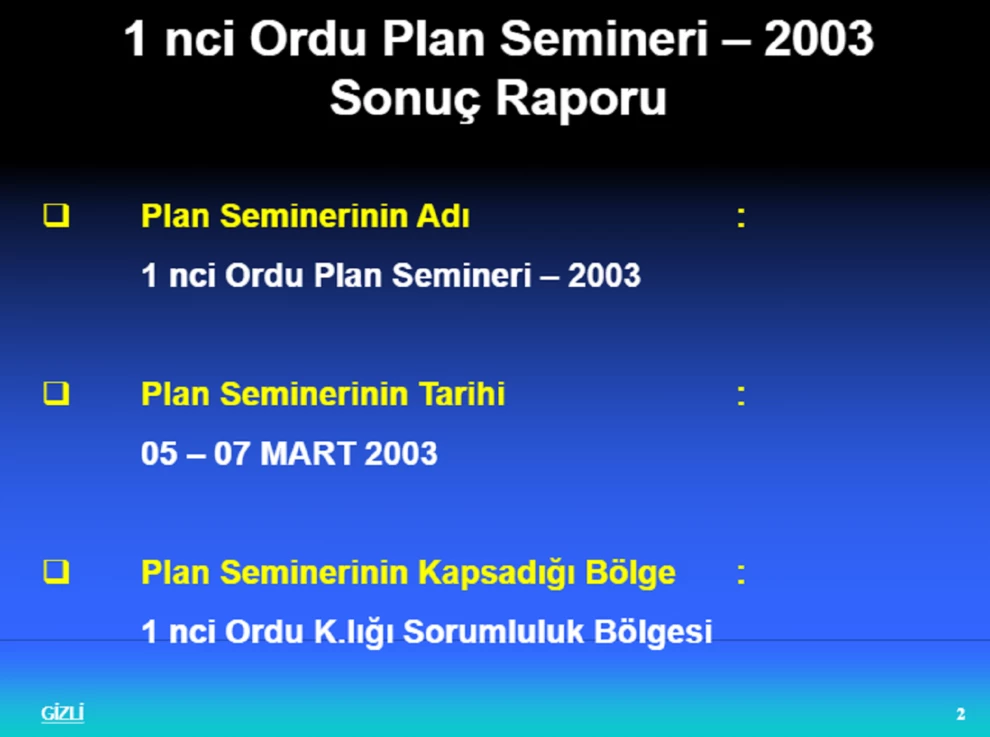
According to the report, the strategy aimed to conquer the Aegean in a swift operation lasting three to four days. It involved a diversionary attack in Thrace to mislead Greek forces, coupled with efforts to capture Greek islands. The plan, first discussed at a military seminar from March 5–7, 2003, led by General Çetin Doğan of the 1st Army Corps in Istanbul, involved senior officers and Turkish General Staff representatives.
Nordic Monitor suggests the plan surfaced publicly in 2010 during the “Variopoula” trial, where Turkish military personnel faced coup charges against President Erdogan. Though overshadowed by the trial, the invasion strategy was reportedly never abandoned and may have been revised.
Challenges Today
The report highlights new obstacles to Turkey’s alleged plans. In 2003, Turkey would have faced only Greek forces initially. U.S. military bases across Greece, particularly in strategic areas like Alexandroupolis, complicate any potential offensive. Striking these bases could provoke a U.S. response, a risk Turkey likely wishes to avoid given its strained ties with Washington. Greece’s 2021 defense pact with France, including arms deals for Rafale jets and frigates, also adds Paris as a potential counterforce.
Nordic Monitor notes that while Turkey’s plans face significant hurdles, recent hawkish rhetoric from Turkish officials suggests these ideas may reflect long-term ambitions, not just domestic posturing. Posts on X echo this concern, citing the 2003 seminar and ongoing tensions, though some argue Greece’s NATO alliances and territorial defenses would thwart any aggression.
As Nordic Monitor reported, the PowerPoint outlines Turkey’s Aegean strategy. Without official confirmation, its active status remains speculative. Greece’s strengthened alliances and military presence continue to reshape the regional dynamic.