
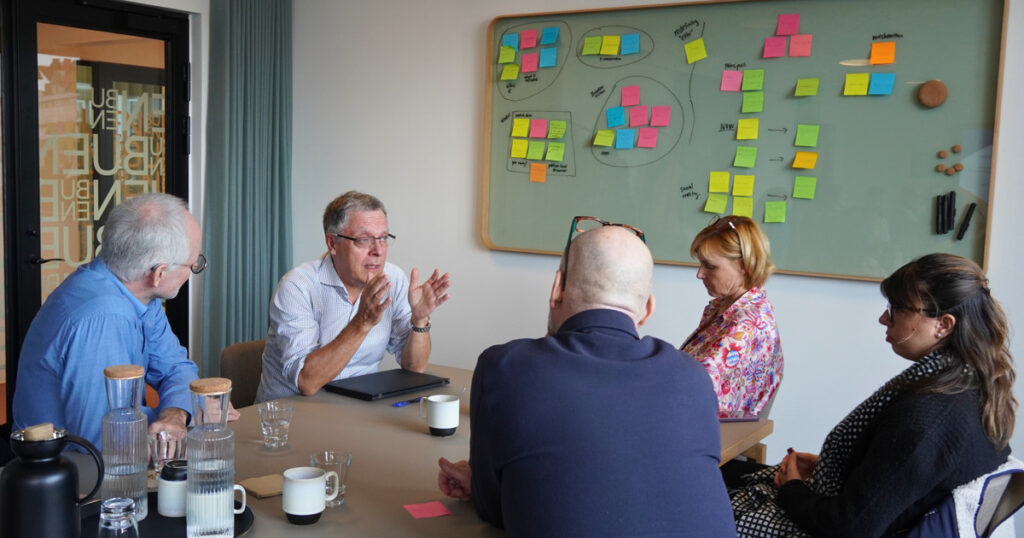
The project is built on a strong foundation of independent research. Led by the Danish Institute for Sport Studies / Play the Game in collaboration with Université Côte d’Azur, the research will explore how sport and physical activity are structured and supported across Europe.
“Although we are still in the early stages, the main observation underpinning the research is that the ‘European Sports Model’ does not fully capture how the majority of sports are organised and how Europeans engage with physical activity,” says Layne Vandenberg, senior researcher at Play the Game and the principal investigator of the research.
Vandenberg and her team will incorporate scientific literature reviews, document analysis, case studies and mapping of financial flows to understand where the impact of the current ‘European Sports Model’ begins and ends – and where a ‘real’ and updated understanding of sports participation and organisation in Europe is needed.
This research will contribute to the development of advocacy materials, national-level interventions, and training resources for civil society organisations and other stakeholders who want to engage in the debate.
“This project is exemplary in its setup as a research–practice partnership, where researchers and practitioners work together to use research to impact policy, decision-making, and – by extension – society. This collaboration is critical to understanding how endorsement and adoption of the ‘European Sports Model’ affects everyday access to sport and physical activity in Europe,” says Vandenberg.
From insight to action
Alongside its research and analysis, the project will equip national organisations with tools and skills to advocate for more inclusive, evidence-based sport policies. These will include media materials, hands-on workshops, and visibility at major events such as the MOVE Congress and the Play the Game conference.
By highlighting the role of local organisations, the project also aims to encourage more democratic and transparent governance in the sport and physical activity sector.
“Too often, funding and attention are directed through systems that are not designed to reach the grassroots,” says Andersen.
“We want to make sure that those who work directly with people at the local level are part of the conversation.”
The goal is not to replace one model with another, but to open space for more inclusive and honest policymaking—one that recognises and supports the full spectrum of sport and physical activity in people’s lives.