
Southern Energy, the company made up of Pan American Energy (PAE), YPF, Pampa Energía and Harbour Energy, has signed a new agreement with Norway’s Golar LNG to incorporate a second floating liquefied natural gas (LNG) facility in Río Negro’s San Matías Gulf.
The 20-year contract is part of the “Argentina LNG” project, which seeks to position the country as a new global actor in LNG exports.
The new LNG boat, named “MKII,” joins the “Hilli Episeyo,” the first boat in the agreement. Together, they would have a combined production capacity of 6 million tonnes per year, equivalent to 27 million cubic meters of natural gas per day.
“The ‘MKII’ boat, which is currently under construction in China, will reach southern Argentina in 2028 and start commercial operations towards the end of that year,” Southern Energy said. It will have a liquefaction capacity of 3.5 million tonnes per year of LNG, equivalent to around 16 million cubic meters a day of gas.
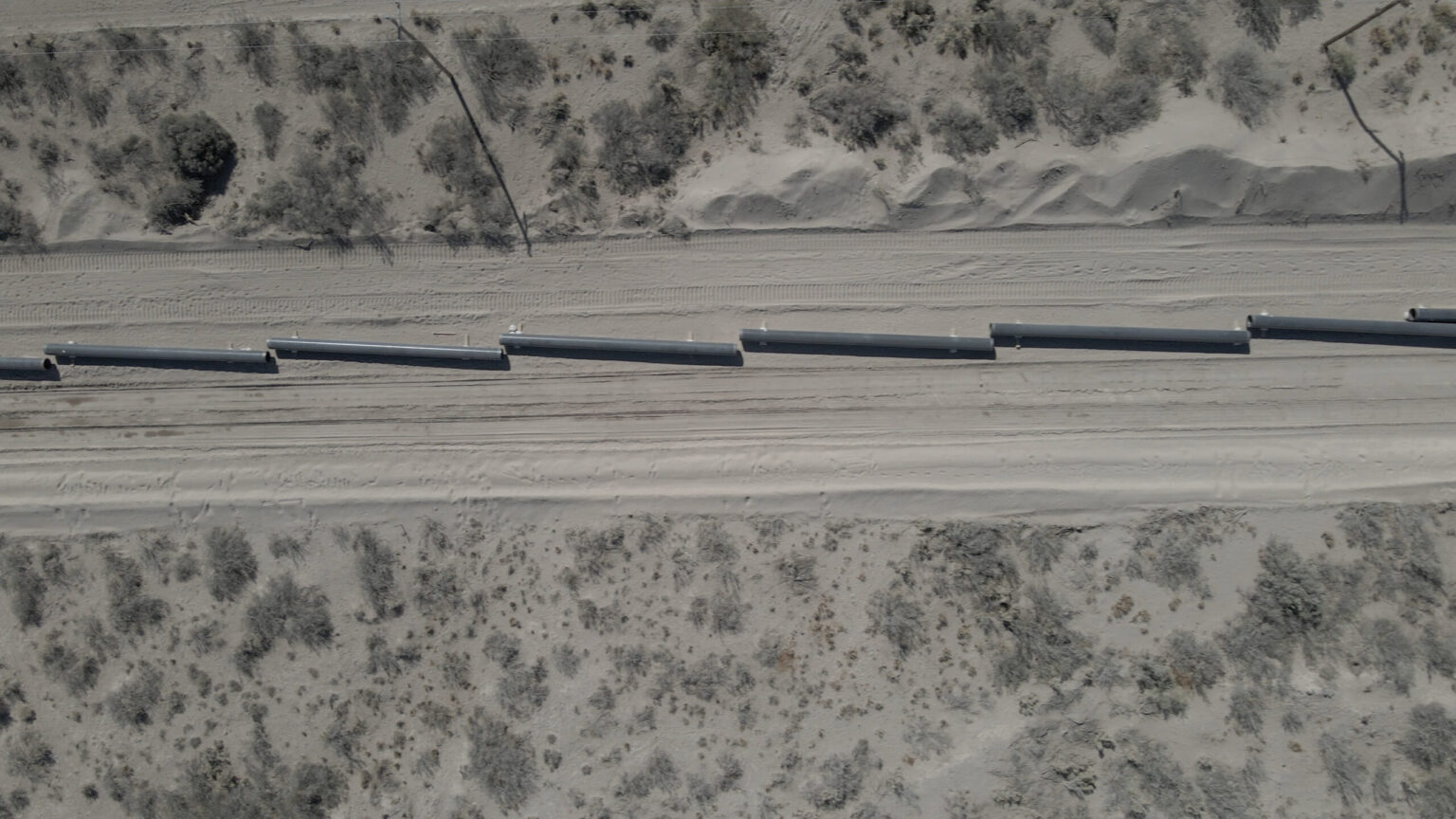
Installation of the two floating terminals, which will operate year-round, will also entail the construction of a purpose-built gas pipeline from Vaca Muerta to the San Matías Gulf. This will allow for gas produced at the field to be delivered to the new export facility.
You may also be interested in: YPF to build six LNG boats in Río Negro instead of onshore plant
With this agreement, Southern Energy has consolidated the first phase of the Argentina LNG project, whose objective is to turn Argentina into a net exporter of LNG.
On the basis of the agreement, shareholder participation of the partners will be:
- PAE (30%)
- YPF (25%)
- Pampa Energy (20%)
- Harbour Energy (15%)
- Golar LNG (10%)
The company also announced it had taken its final investment decision to develop the “Hilli Episeyo,” which implies investment of around US$7 billion across the value chain over the course of two decades.
The project already has authorization from the Energy Secretariat to export LNG freely over 30 years, and its environmental impact assessment has been approved by Río Negro province. Participation in the Incentive Regime for Large Investments (RIGI) has also been requested.
Thus, Argentina is seeking to take advantage of the potential in Vaca Muerta, the second largest reserve in the world for unconventional gas and the fourth largest for oil, with a view to becoming a key player in the international energy market. Installation of these boats would make it possible to export a product that cannot currently be sold abroad, opening up new destinations for the country’s energy products.
Originally published on Ámbito Energy Report