
80 years ago, at 05:29 AM on July 16, the first nuclear test lit up the desert — and the sky never really went back to normal.
That moment inspired my next release:
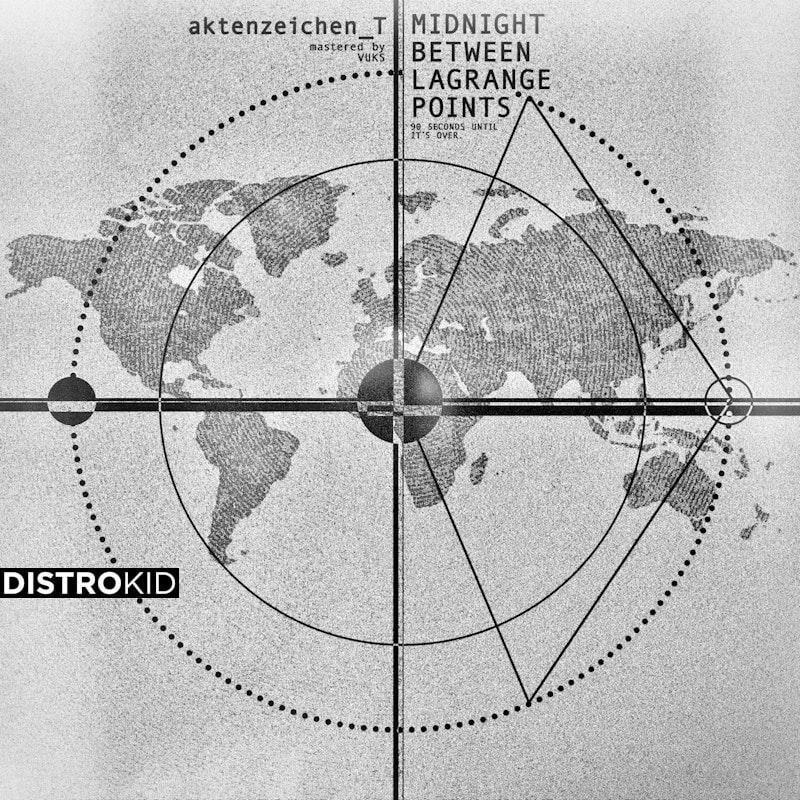
Midnight Between Lagrange Points.
A track between dark disco and techno, but more than that — it’s about the feeling of floating in systems that no longer pull. Where power balances cancel out, but no one steps in.
It’s about the quiet tension. The beautiful delay.
And the closeness we still owe each other before the next detonation.
It goes live at the exact time of the Trinity test.
If that timing means something to you — I’d be grateful if you joined me there.
Thanks for reading — and thinking.
– aktenzeichen_T
https://distrokid.com/hyperfollow/aktenzeichent/midnight-between-lagrange-points/
4 Comments
Just because “futurology” sounds like a word that people who are high on shrooms would say doesn’t mean you should post here when high on shrooms.
This track release is tied to the 80th anniversary of the Trinity nuclear test — a key historical moment that marked the start of the Anthropocene and global risk as we know it. The song reflects on current instability, systemic stasis (via the Lagrange metaphor), and whether art can help us feel and act — before collapse becomes default.
How might music or culture shape our sense of planetary urgency in the age of nuclear and ecological tipping points?
“A track between dark disco and techno” This tells you what sort of sub it would be appropriate for.
I take it you’ve already spammed all of those and are starting to clutch at straws a bit?
That’s a powerful and necessary question — and honestly, it’s the reason I created the track in the first place.
I do believe that art, especially sound, can still shift awareness — not by offering answers, but by creating emotional friction. When we’re overloaded with data, music can make us feel the weight of the future again. Not as optimism or doom, but as embodied tension.
In a world of escalating tipping points — nuclear, ecological, social — maybe cultural works won’t stop collapse. But they might interrupt apathy. And that’s something.
How do you see it? Has culture lost its force — or just its focus?