
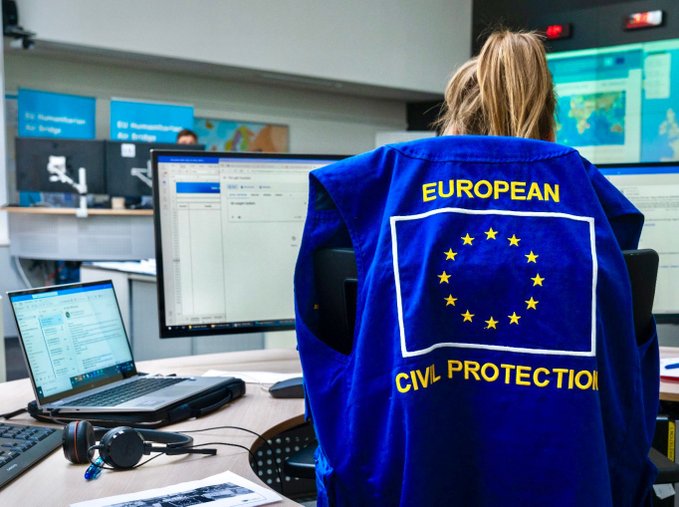
SARAJEVO – Bosnia and Herzegovina has activated the EU Civil Protection Mechanism to repatriate its citizens currently in countries affected by conflicts in the Middle East, the EU Delegation to BiH announced, N1 reports.
According to the statement, the EU Emergency Response Coordination Centre is coordinating support to ensure the safe return of Bosnian citizens. As EU Delegation stated, the return flights have already started.
Last week, the Council of Ministers of BiH requested EU assistance to evacuate its nationals from the Middle East through the Civil Protection Mechanism.
According to N1, to implement this decision, adopted during an extraordinary telephone session at the proposal of the Ministry of Security, more than 400.000 euros.
Bosnia and Herzegovina joined the EU Civil Protection Mechanism in September 2022.
Full membership allows the country to contribute to Europe’s regional readiness for emergencies and strengthens its rescue capabilities.
What EU civil protection mechanism membership entails
When an emergency exceeds the capacities of a single European country, that country can request assistance through the Mechanism. The European Commission plays a central role in coordinating disaster responses worldwide. Since its establishment in 2001, the EU Civil Protection Mechanism has responded to nearly 600 requests for assistance both within and outside the EU.
The joint approach concentrates expertise and the capacity of emergency services, avoids duplication in aid delivery, and ensures assistance meets the needs of affected populations. Pooling civil protection resources enables a stronger and more coherent collective response.
The Mechanism also helps coordinate national preparedness and disaster prevention activities, facilitates the exchange of best practices, supports the development of higher common standards, and allows teams to better understand different approaches and work interchangeably in crisis situations.