“Dark photon” theory of light would completely upend 100 years of quantum physics
https://www.earth.com/news/dark-photon-theory-casts-doubt-on-double-slit-experiment-quantum-light-interference-pattern/

“Dark photon” theory of light would completely upend 100 years of quantum physics
https://www.earth.com/news/dark-photon-theory-casts-doubt-on-double-slit-experiment-quantum-light-interference-pattern/
2 Comments
> For centuries, most scientists have shared the belief that light behaves as both a wave and a particle. This idea, then, became the central component to quantum theory, sprouting the field of science known as quantum mechanics.
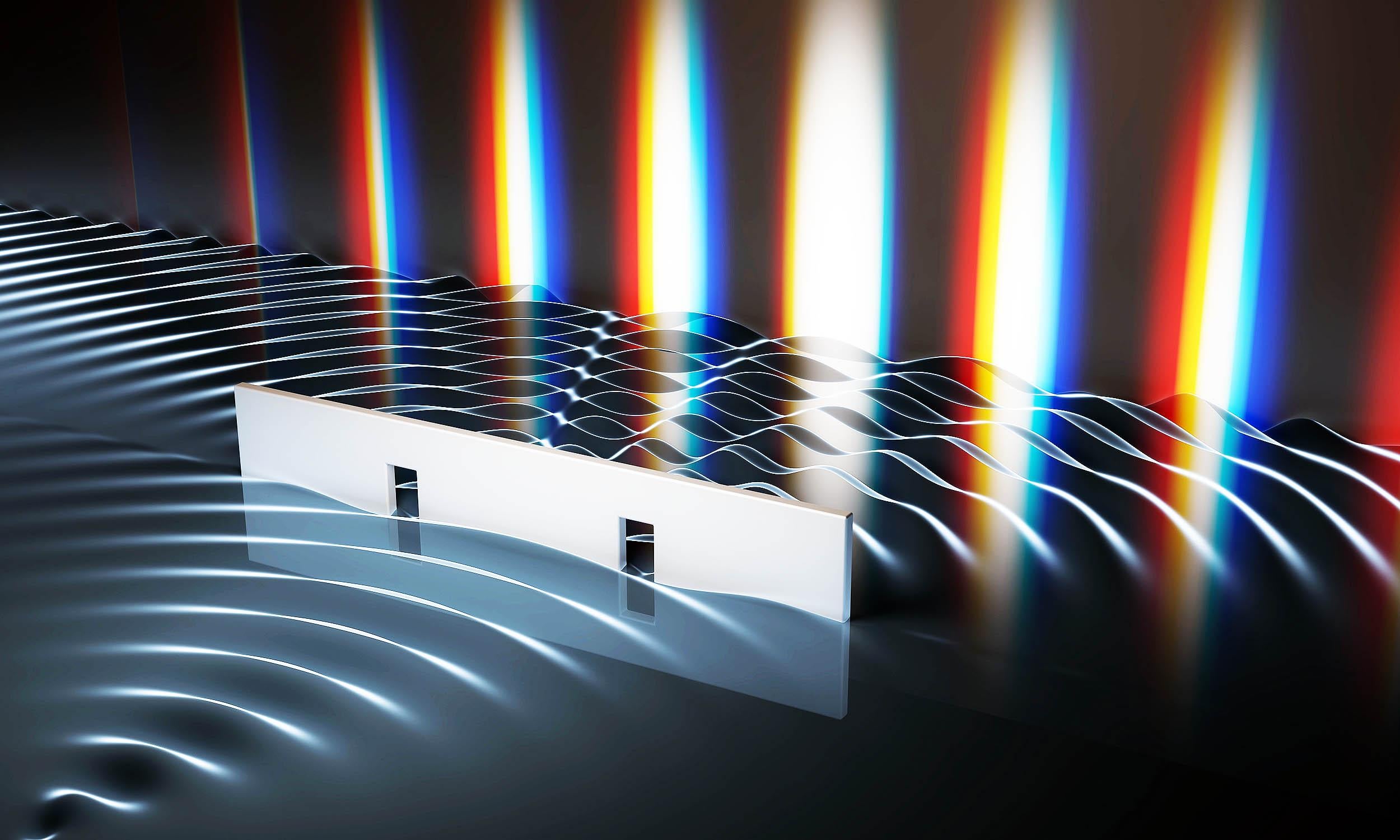
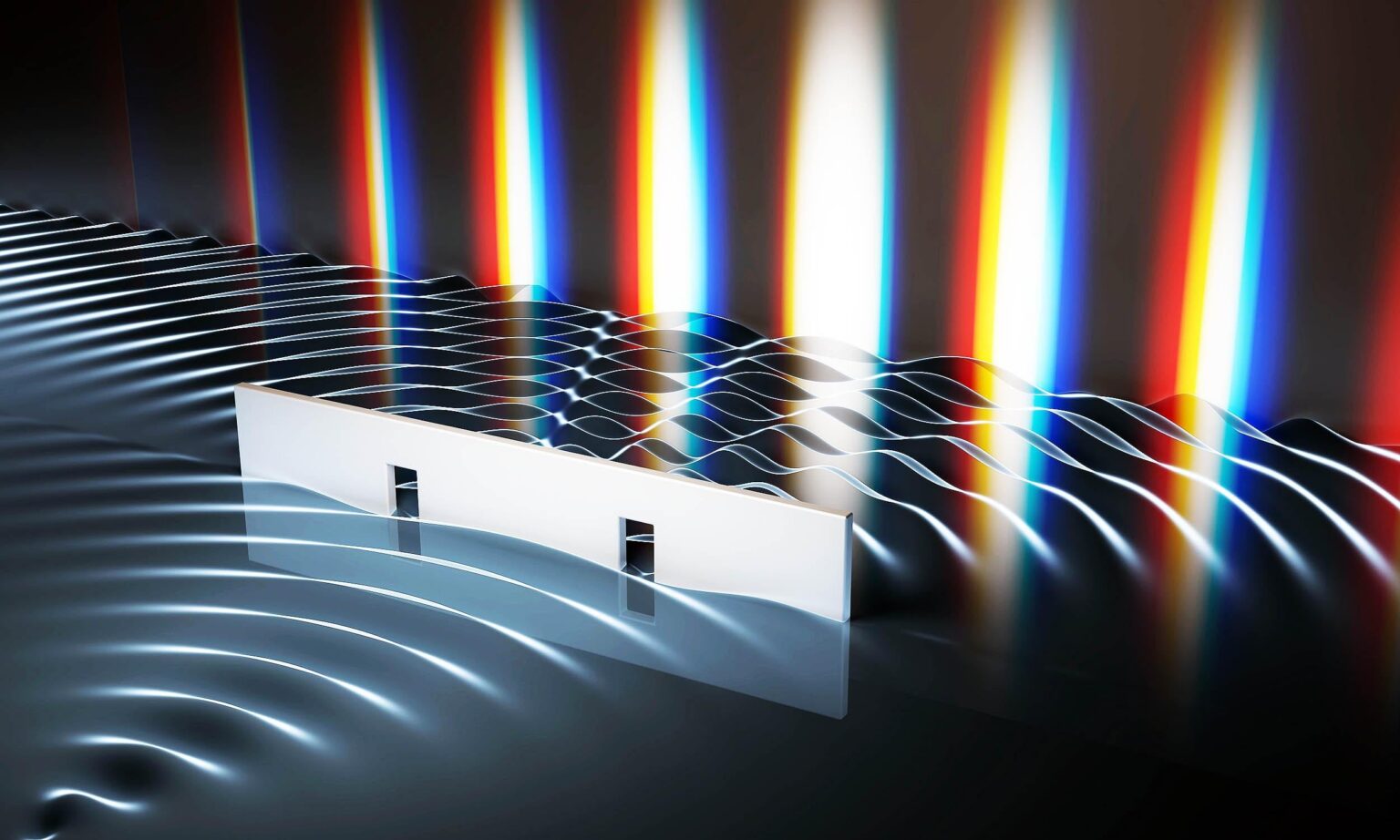
> The double-slit experiment supported the idea, showing bright and dark bands that indicated wave-like interference. But now, a new study suggests that this experiment might not lock us into seeing light as a wave.
> The new approach from the research team explores the concept of bright and dark modes.
> In their view, interference patterns can emerge from combining “detectable” and “undetectable” photon states. These bright states interact with an observer, while dark states remain hidden.
> Such hidden photons might linger at places where we would normally think the light cancels out. Observers who try to track the path of these photons alter the state, flipping what was dark into bright or vice versa.
> From this perspective, the light pathways can be viewed as quantum superpositions, rather than purely classical wave interference.
> Any attempt to pinpoint a photon’s route through two slits runs into the famous uncertainty principle. A quick look might destroy the fringe pattern. In these studies, measuring the photon is less about giving it a momentum kick and more about switching the dark state to a bright one. Decades of work in quantum information science hinted that delicate systems can be “observed” without collapsing them entirely.
> The new interpretation builds on that notion. If the observer couples to a photon hidden in a dark region, the state might become bright enough to be registered.
> Rather than uprooting wave-particle duality, this theory nudges us to see interference in a purely particle-based explanation. It keeps the quantum superposition principle at the core.
> On a philosophical level, some scientists suggest that we might shift our mental picture toward probabilities of bright and dark particles.
So what about the Maxwell equations and other tools that we make it easy to understand wavelike behavior? Genuinely asking – I’m not a physicist.