Neuroscientists challenge “dopamine detox” trend with evidence from avoidance learning
Neuroscientists challenge “dopamine detox” trend with evidence from avoidance learning

Neuroscientists challenge “dopamine detox” trend with evidence from avoidance learning
Neuroscientists challenge “dopamine detox” trend with evidence from avoidance learning
10 Comments
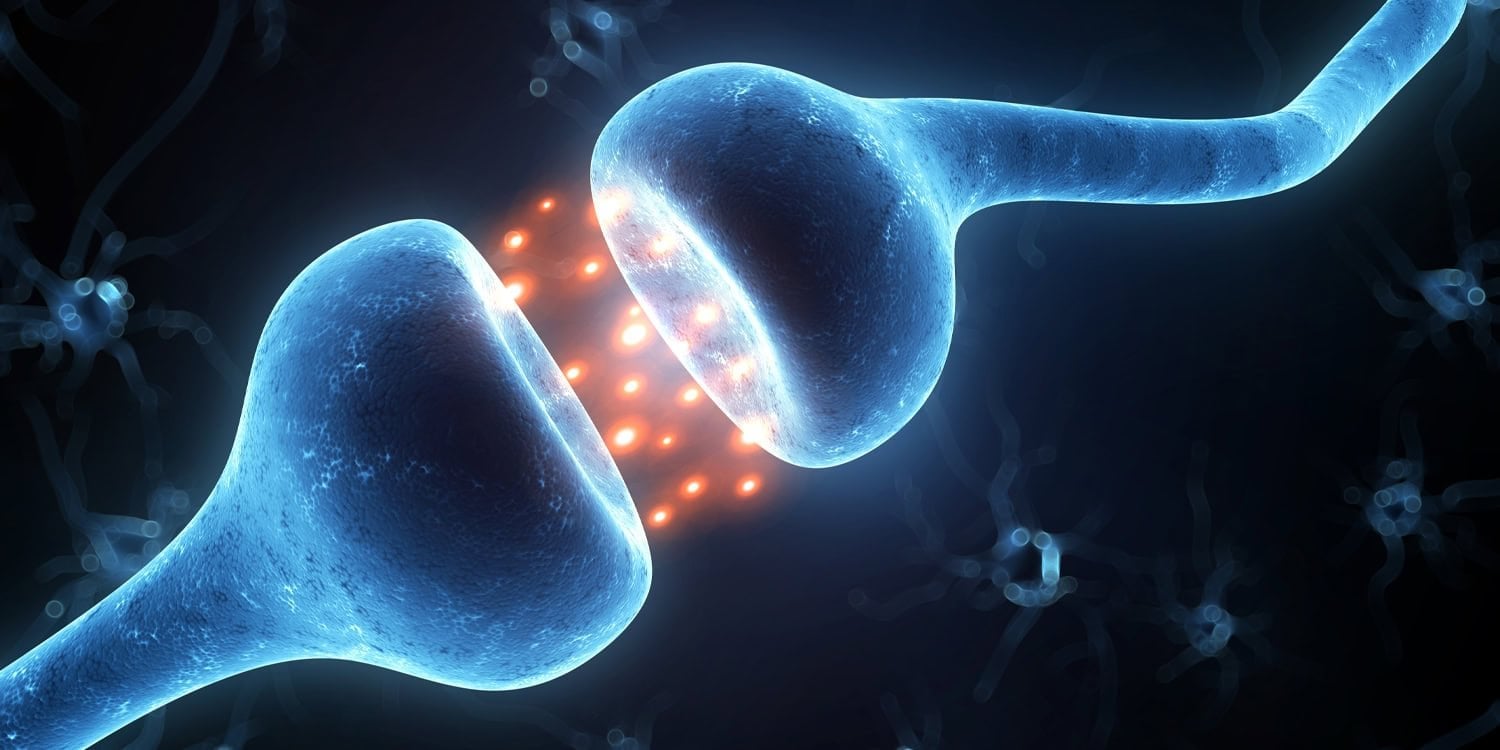
> A new study published in Current Biology sheds light on how the brain learns to avoid harmful situations, revealing that dopamine—commonly associated with pleasure and reward—also plays a flexible and complex role in helping us sidestep danger. The results suggest that dopamine **isn’t just about seeking rewards**—it also helps **shape our behavior in response to unpleasant experiences**, with implications for understanding anxiety, depression, and obsessive-compulsive disorder.
> The researchers recorded dopamine activity in two specific parts of the brain’s reward system: the core and the ventromedial shell of the nucleus accumbens. The results showed that the two brain regions processed aversive learning in distinct ways. In the ventromedial shell, dopamine levels initially surged in response to the shock itself suggesting that the ventromedial shell plays a role in early learning and in identifying when something unpleasant is about to happen.
> In contrast, the core of the nucleus accumbens showed a different pattern. The researchers found that dopamine signals in the core were especially tied to the animal’s actions, suggesting a role in guiding learned movement patterns during avoidance.
> The study also challenges popular ideas about dopamine, including the trend known as the “dopamine detox,” which suggests that **avoiding pleasurable activities can reset the brain’s reward system**. According to the researchers, this view oversimplifies dopamine’s role. “Dopamine is not all good or all bad,” said Gabriela Lopez, the study’s first author. ‘It rewards us for good things but also helps us tune into cues that signal trouble, learn from consequences and continuously adapt our learning strategies in unstable environments.
> “These responses are not only different in their sign — where in one area, dopamine goes up for something bad and, in the other area, it goes down for something bad — but we also saw that **one is important for early learning while the other one is important for later-stage learning**,”
This is the first time I’ve heard that dopamine is nuanced, I had always assumed it was only released for ‘good’ things — that is quite eye-opening to me as someone with ADHD.
It might be simplified, but if I understand correctly, if you have a dopamine dysregulation — your brain then has a difficult time retreating from fight/flight mode as well as forming habits (of this latter part is what I always assumed until this article). It makes sense then why, like so many others with this, thrive in crisis and chaos.
It’s our default mode!
There was never any science backing dopamine detox or whatever it’s being sold as now. Lots of folks online mention doing things for the dopamine hit, and that’s just not how dopamine works
>”Commonly targeted activities include social media, video games, online shopping, sugary foods, and other forms of instant gratification.”
then I’d just be staring at the wall
Many of us have zoochosis imo, dopamine detox doesnt rly get to the heart of that for most ppl
How does this “challenge” “dopamine detox?”
Complete bollocks jargon science reporting, again. “Dopamine detox” is a stupid term to begin with, but the whole point of it is to shape behaviour, to re-associating the type of activity you find rewarding by letting the brain find homeostasis in less instantly-gratifying activities. Isn’t that roughly the same thing the paper is about?
Maybe the study has some other actually interesting point to make, but that’s down the drain after this train wreck of a headline
I don’t know why neurocientist keep talking about dopamine as the reward or pleasure neurotransmiter when is, in fact, more correct to call it the neurotrasmiter of movement or motivation (see that this contains the the word motive, or to move).
In neurology, one of the main containers of dopamine are the basal nucleii, the very first neurons that induce the first spark of movement. Then, that electrical signal is modulated in the extrapiramidal pathway in the cerebelum.
It seems more obvious to me seeing dopamine as a movement neurotransmiter since reward is to be motivated to adquire something pleasuring. You move toward it.
But, as something that seems displeasure, you tend to avoid it and walk away. Also, dopamine works in the blood vessels as a stress hormone, secreted by the adrenal glands. Once released, it works like adrenaline, with less effect but lasting longer. It rise blood pressure and put your muscle in tension in case of fight or flight response. This seems more obvious when you discover that adrenal glands are embriologicaly specialized neurons that becomes more fatty and also comes from the neuroectodermo, as, you guessed, like neurons.
That’s why I defend that neuroscientist are getting trapped in false language, since cell biology don’t express real motivation or pleasure (these are humans words, but rarely seen in any book of cell biology).
People have some crazy ass ideas about dopamine.
Like some BIO101 student or bro-stoners they have some intricate knowledge about exactly what is going on neurochemically based solely on how they feel at the moment.
First time hearing about a dopamine detox. However, I’ve done a few information deprivation weeks and they do a world of good for my mental health and focus. That’s not avoiding anything pleasurable, it’s just not taking in new information, basically switching from inputting information to outputting. I think anyone who’s unplugged while on vacation feels a similar feeling though I haven’t dug into the science of it.
I’m too dopamine intoxicated to read this summary. Anyone got a Super-TLDR of all this?