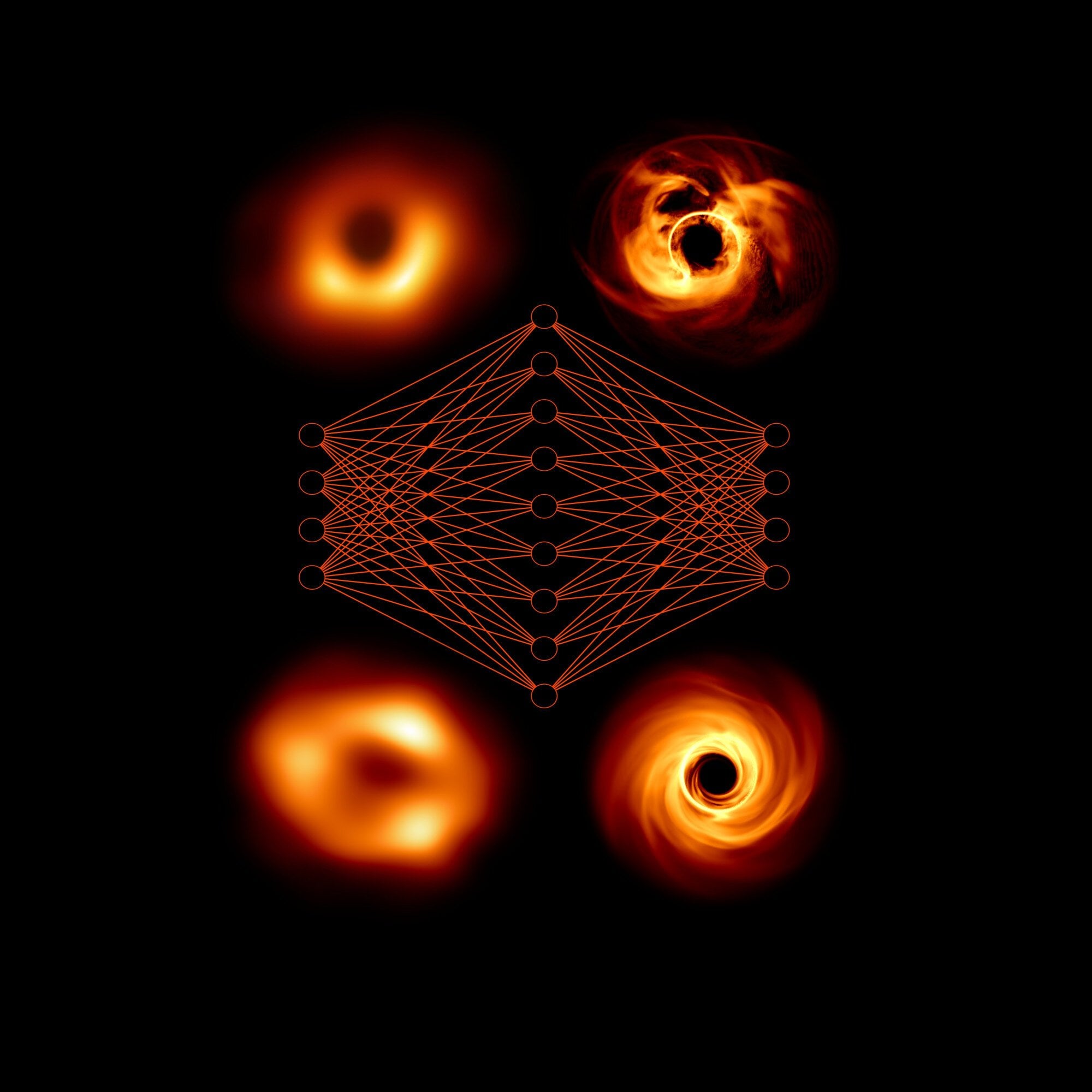
Self-learning neural network cracks iconic black holes
https://phys.org/news/2025-06-neural-network-iconic-black-holes.html

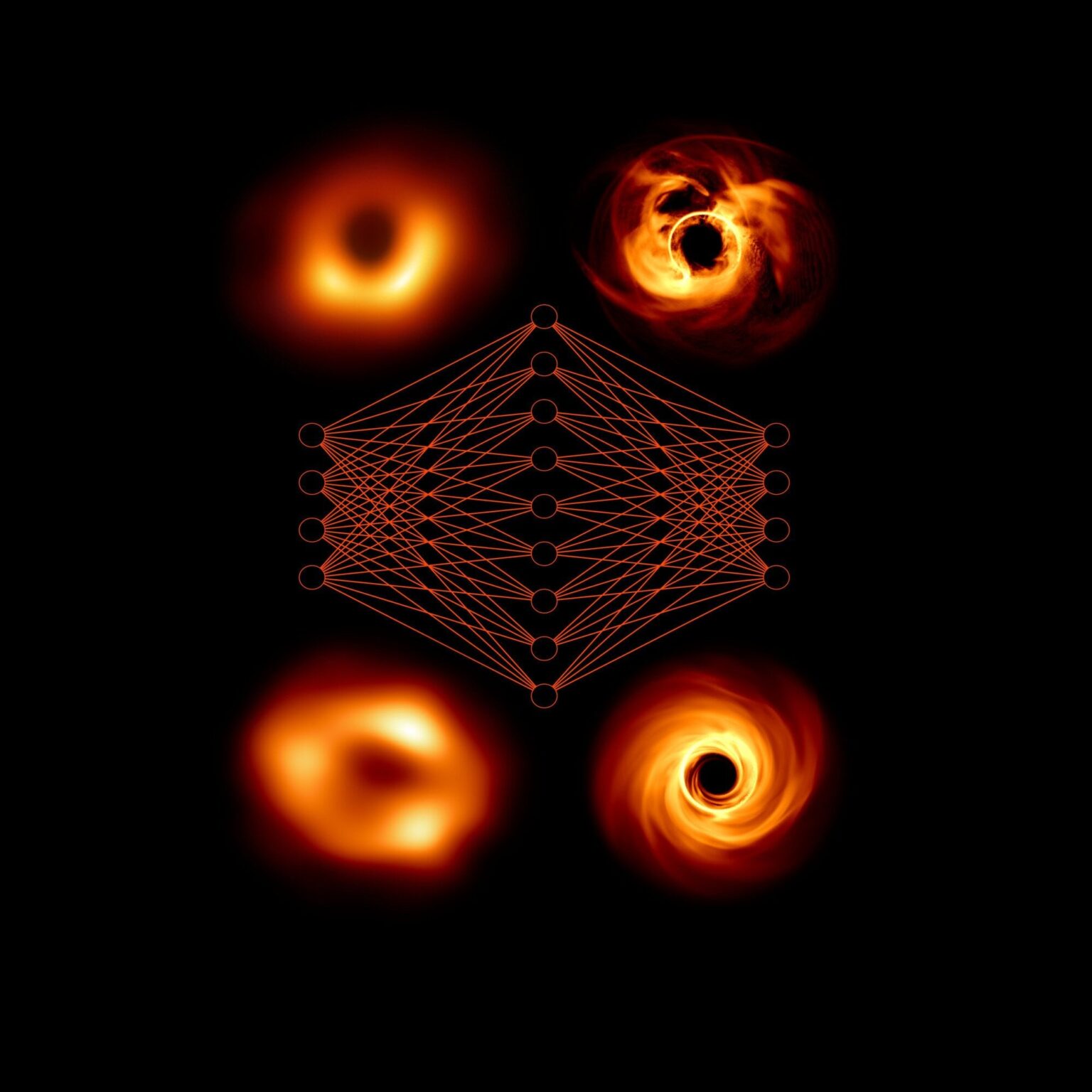
Self-learning neural network cracks iconic black holes
https://phys.org/news/2025-06-neural-network-iconic-black-holes.html
3 Comments
TLDR:
* *Radboud University researchers* trained a Bayesian neural network on millions of synthetic black hole data sets to analyze Event Horizon Telescope (EHT) observations of Sagittarius A* and M87*.
* The team found *Sagittarius A* is spinning near its maximum speed*, with its rotation axis pointed toward Earth; the surrounding emission is driven by hot electrons, not jets, and exhibits unusual magnetic behavior.
* The study, published in *Astronomy & Astrophysics*, scaled using *CyVerse, OSG OS Pool, Pegasus, TensorFlow*, and more; enabling high-throughput computing and model refinement that challenge standard accretion disk theory.
*(The best of space, minus the scroll ->* [*therisedaily.com*](https://therisedaily.com)*.)*
When they say top speed, are they referring to the speed of light?
Finally an AI post that isn’t a ChatGPT concoction