Proxima Fusion joins the club of well-funded nuclear contenders with €130M Series A | TechCrunch
Proxima Fusion joins the club of well-funded nuclear contenders with €130M Series A

Proxima Fusion joins the club of well-funded nuclear contenders with €130M Series A | TechCrunch
Proxima Fusion joins the club of well-funded nuclear contenders with €130M Series A
2 Comments
From the article
Commercial nuclear fusion power isn’t a reality yet. But venture capital is flowing into startups that promise that clean, safe, and virtually limitless energy is no longer just a distant dream.
Most fusion companies that have [raised over $100 million](https://techcrunch.com/2024/10/04/every-fusion-startup-that-has-raised-over-100m/) are based in the United States. Not [Proxima Fusion](https://www.proximafusion.com/), a German startup that has just secured a €130 million Series A round of funding (approximately $148 million) led by Balderton Capital and Cherry Ventures.
This brings Proxima’s public and private funding to over €185 million ($200 million), increasing its chances to be one of Europe’s top contenders in the race for an alternative to fission, one which does not depend on uranium or other imported fissile materials used in current nuclear reactors.
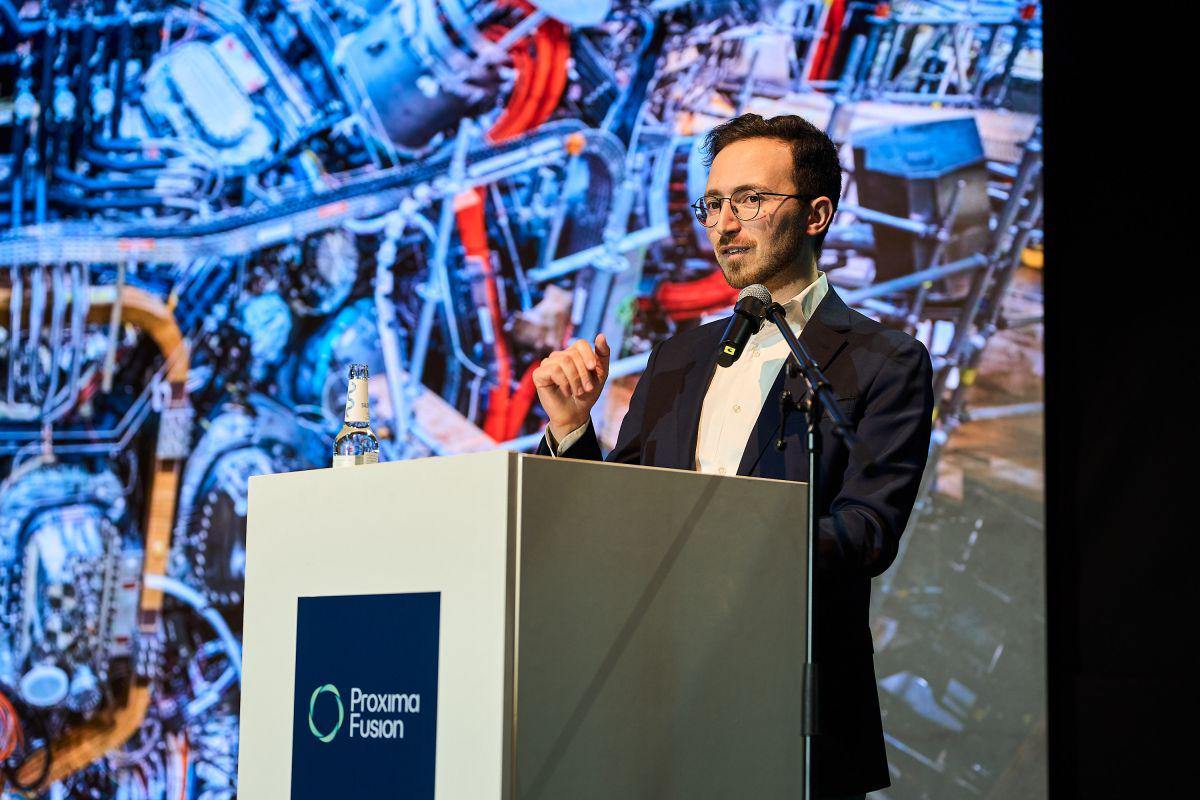
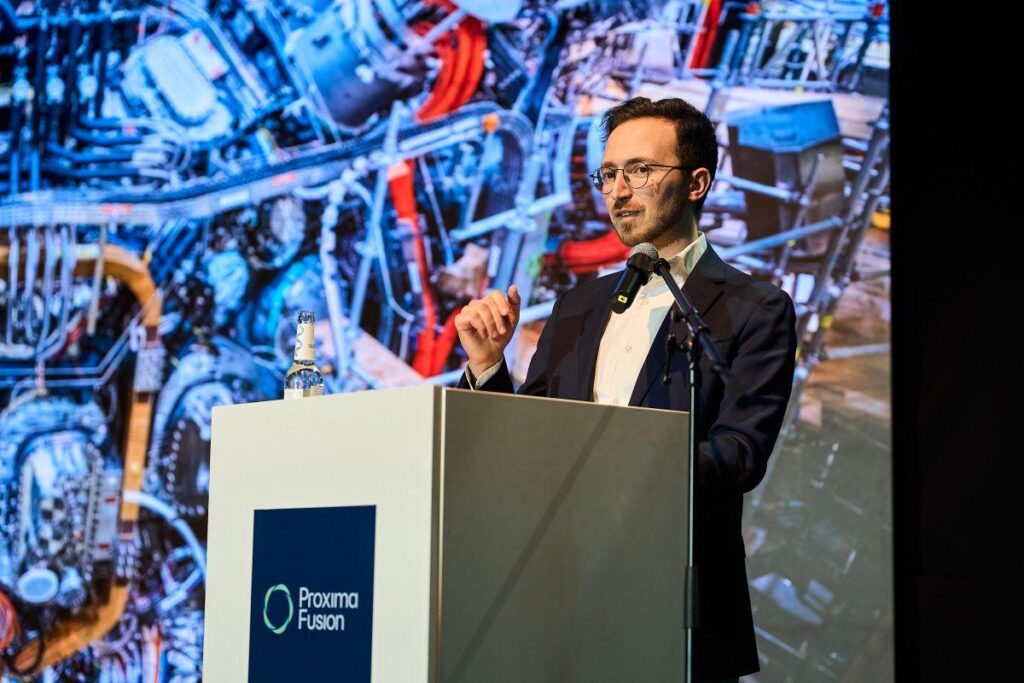
The pursuit isn’t solely for scientific prestige; it is deeply intertwined with energy security. “Wait for the early 2030s and you will see fusion giants in each geopolitical block,” Proxima’s CEO and co-founder Francesco Sciortino predicted in an interview with TechCrunch.
You haven’t looked into the research and work of Nikolai Tesla, have you?
The thing is that free energy doesn’t make other people money, so nobody is going to put money into learning how to harvest it.
It’s more probable that people would put money and significant effort into trying to ensure other people were not able to harvest it.
Maybe that is why we have such innovations to make “cheaper” energy.