Scientists detect light passing through entire human head, opening new doors for brain imaging
https://medicalxpress.com/news/2025-06-scientists-entire-human-doors-brain.html

Scientists detect light passing through entire human head, opening new doors for brain imaging
https://medicalxpress.com/news/2025-06-scientists-entire-human-doors-brain.html
5 Comments
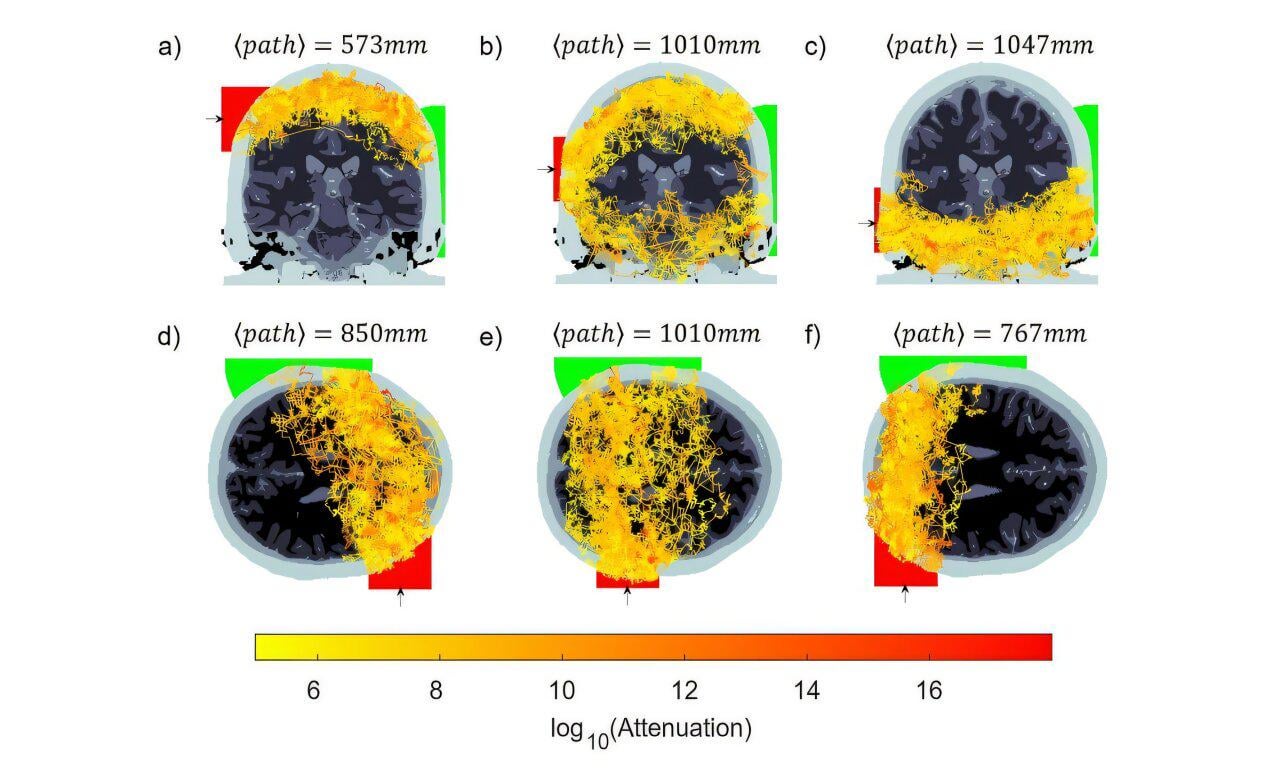
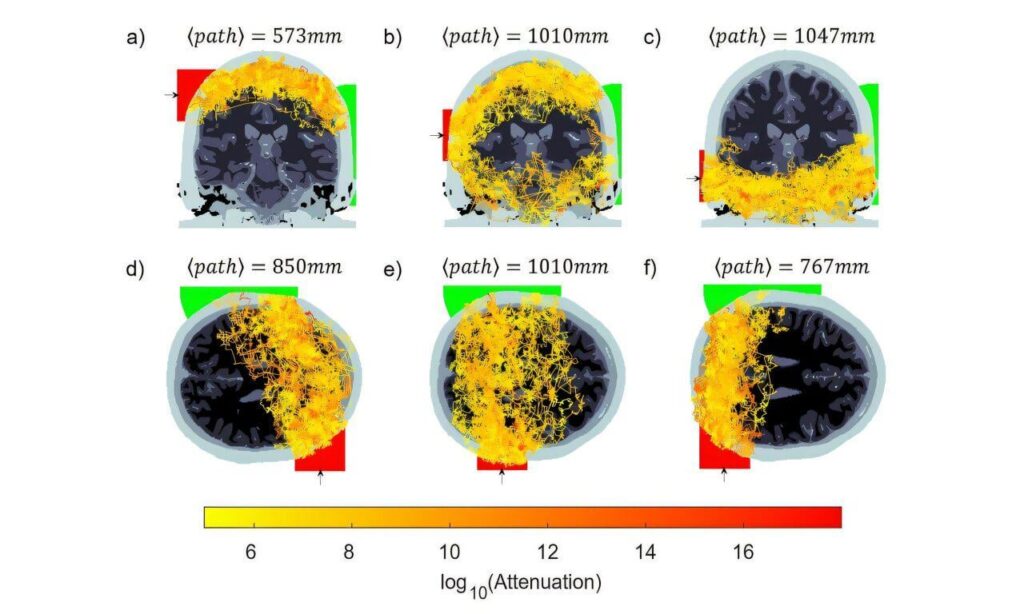
This breakthrough shows scientists have successfully detected photons passing through the entire adult human head, demonstrating that light can traverse from one side to the other—well beyond the ~4 cm limit previously thought possible.
The work lays the groundwork for next-gen non‑invasive brain imaging tools:
imagine portable, deep‑brain fNIRS devices capable of accessing structures like the hippocampus or thalamus—using light, not bulky MRI magnets.
What if we could one day monitor stroke onset or traumatic brain injury in ambulances and low‑resource settings, in real time and at minimal cost?
Or continuously track deep‑brain activity during daily life, unlocking insights into mood disorders, memory consolidation, or sleep in natural environments?
Potential future directions: miniaturized deep‑light detectors, wearable arrays, dynamic brain maps, or safety protocols for repeated transcranial photonic exposure.
What scientific, engineering, and ethical challenges lie ahead for bringing full‑head optical imaging from lab demo to clinic, field use, or consumer health devices?
Does it work on people with big heads? You know the type, a real melon up there.
I know a few people that you could shine a flashlight in one of their ears and have the exact same effect.
I thought Trump was anti science? Fair play to him for being a test subject.
I wonder what this is going to mean for funding around things like near ir light therapy.