

Gold from e-waste opens a rich vein for miners and the environment | Researchers have developed a safer and more sustainable approach to extract and recover gold from ore and electronic waste which promises to reduce levels of toxic waste from mining.
https://www.scimex.org/newsfeed/jackpot-gold-from-e-waste-opens-a-rich-vein-for-miners-and-the-environment
2 Comments
From the article: An interdisciplinary team of experts in green chemistry, engineering and physics at Flinders University has developed a safer and more sustainable approach to extract and recover gold from ore and electronic waste.
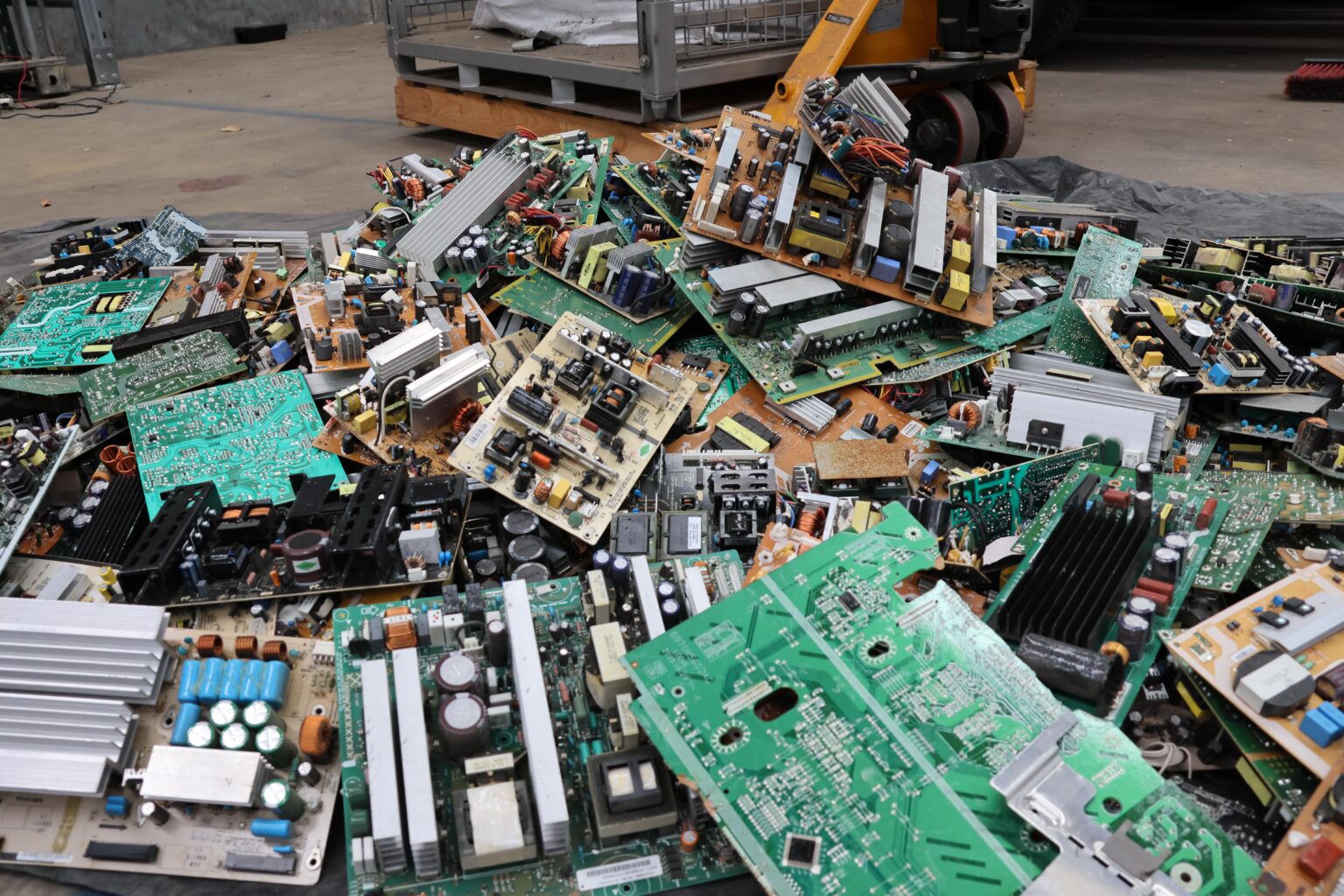
Explained in the leading journal Nature Sustainability, the gold-extraction technique promises to reduce levels of toxic waste from mining and shows that high purity gold can be recovered from recycling valuable components in printed circuit boards in discarded computers.
The project team, led by Matthew Flinders Professor Justin Chalker, applied this integrated method for high-yield gold extraction from many sources – even recovering trace gold found in scientific waste streams.
The progress toward safer and more sustainable gold recovery was demonstrated for electronic waste, mixed-metal waste, and ore concentrates.
“[The study](https://www.nature.com/articles/s41893-025-01586-w) featured many innovations including a new and recyclable leaching reagent derived from a compound used to disinfect water,” says Professor of Chemistry Justin Chalker, who leads the Chalker Lab at Flinders University’s College of Science and Engineering.
“The team also developed an entirely new way to make the polymer sorbent, or the material that binds the gold after extraction into water, using light to initiate the key reaction.”
Extensive investigation into the mechanisms, scope and limitations of the methods are reported in the new study, and the team now plans to work with mining and e-waste recycling operations to trial the method on a larger scale.
“The aim is to provide effective gold recovery methods that support the many uses of gold, while lessening the impact on the environment and human health,” says Professor Chalker.
And yet, if this is not cheaper than “burning the components in the cheapest labor countries” it wont catch on.