No, most norwegians does not live in flats. But they are not uncommon.
someoneelse327 on
Yes, they are common in newer apartment buildings in cities as they often have district heating
Antares42 on
After moving up from the continent (and having grown up with radiators like those), I was surprised and a bit bewildered that Norway almost exclusively has electric heating.
I’ve had one apartment with central heating, in a 1930s housing block. Everything else was electric panel heaters, or more recently, floor heating or heatpumps.
Electricity is comparably cheap, it’s very flexible, and infrastructure for gas barely exists.
paaland on
In the bigger cities where there is district heating it’s common in flats. But detached houses or smaller cities don’t have them. Traditionally electricity has been cheap, so most houses in Norway are heated by electricity. Either directly, or heat pump or water heater to floor heating.
QuestGalaxy on
Sure, in some apartments where there’s central heating. In houses you’ll often see heat pumps.
Fjells on
Used to have these in our old house. It had an oil powered boiler, but I think they are no longer allowed.
Central heating has been switched out with remote heating, and most people have either heat pumps or are happy with electric.
HumusDilldall on
They used to be the standard, yes – but have become increasingly rare since most Norwegians switched from boilers to electricity. Nowadays, electric panel heaters are by far the most common.
Should add that a as of a few decades ago, a number of households have installed geothermal heat pumps instead, so they might use radiators like this (although they commonly choose floor heating instead).
Bohocember on
They do not. I can’t remember ever having been inside a normal family house that had wall-mounted radiators like this, though as others have said, they’re more common in apartment buildings, in Oslo for example, and in public buildings, like schools.
filtersweep on
Most radiant heat is in floors around here- in newer buildings. It doesn’t get very cold where I live.
I have never seen old school steam radiators in residential single dwelling homes— or ‘apartments’ or duplexes….. or row houses in Stavanger.
BrUSomania on
Had one of these in an apartment I rented in Grünerløkka (Oslo). The apartment building was built in 2009, I think, and all the apartments in the building were connected in a radiator “loop”. It made a lot of noise, and letting out the air didn’t help – I hated it.
CarrotWaxer69 on
Office buildings either connected to a district heating central or with a central boiler or heatpump system will have them.
Akeleie on
This is more common in big old buildings, I think we’ve had those in every class room up until uni.
Alarming-Serve-1971 on
Yes and no. Probably not as common as the UK but there are enough of them so they aren’t at all unusual. In some new homes/builds you will see them for central or district heating but mostly in older homes/buildings where they just never were replaced with something newer or they have just maintained the system because it works just fine.
Norway leans heavily on and favors electric heating like the heating pump and electric floor heating system is very common here. Electric floor heating is something that is basically a guaranty to find in bathrooms here but many have it in many places in their houses depending on need or want and some have it all over the house.
When it comes to floor heating systems most choose electric as it is the easiest and cheapest to install as it comes in many different options but water based floor heating system as become a little more popular and also if you have central/district heating systems with radiators then the floor heating system is usually combined into to that central/district system which is usually water based to.
We also use a lot of free standing electric air flow heaters, electric panel ovens and freestanding oil heaters. Any type of free standing heaters that can be plugged into a wall socket for heating smaller or larger rooms are popular here in homes that don’t have central heating. So many have a heating pump in the main living area and use freestanding heaters where needed elsewhere. So many effing options to combine.
Many houses all over Norway also have a fireplace. The more north you are in the country the more of a necessity the fire place sort of becomes.
The are a very few number of houses that uses a complete system that uses gas as a heating system but not many. However many people have free standing gas ovens that runs on gas flask/cylinder here in Norway. There is always several cautionary news paper articles every winter when it gets cold or someone made a mistake with them on the dangers of using them inside and how to avoid certain mistakes and the very rare fatality with them.
Overall Norwegians uses electric heating the most here. What type of combos heating one needs and how much heating one need varies very much on where you live in Norway and how old or new conditions your house is in due very large weather differences here in Norway.
New houses built in the last 20-30 years are well built and heavily insulated to point where you can get away with just electric heating with some exceptions for houses very far north where it’s get really fucking cold.
Ok_Chard2094 on
If I was going to install waterborne heating in a new house today, I would use floor heating instead of wall mounted radiators.
And then use a heat pump for the water heater.
Consistent_Public_70 on
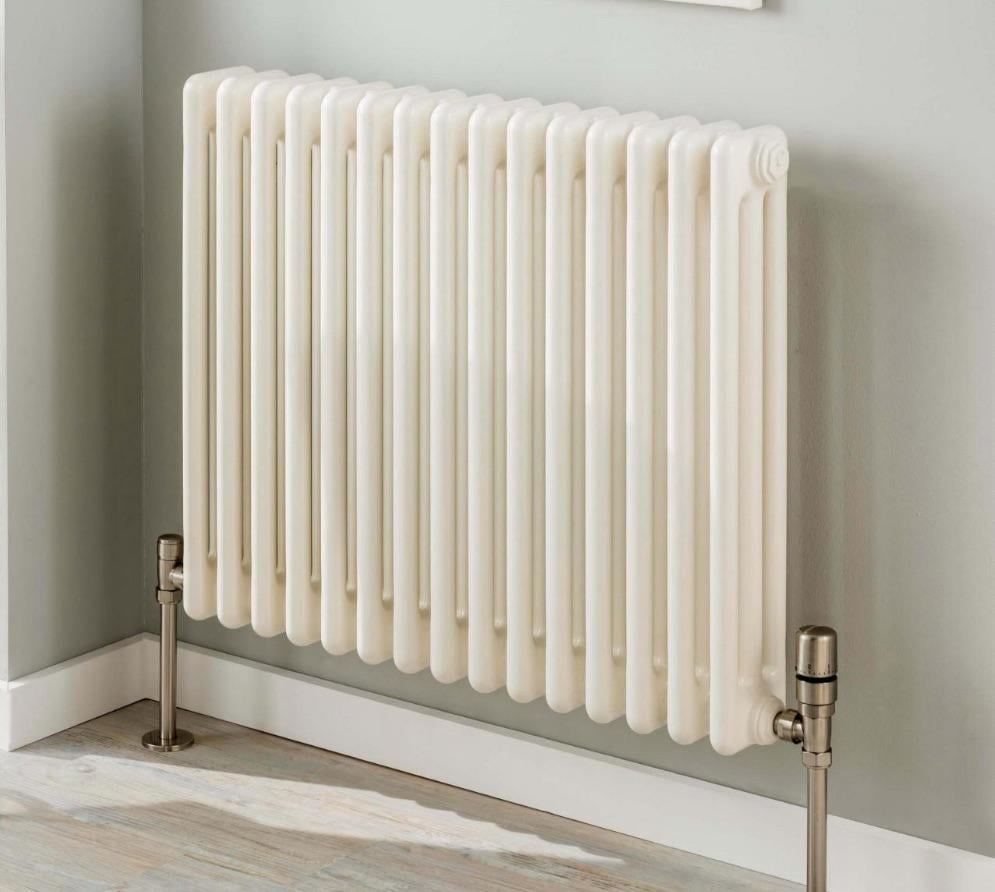
Radiators are way less common in Norway than in the UK. The radiators that we do have are very rarely shaped liked the one in the picture you have shared.
Ghazzz on
They are very common in institutions and buildings where the heating and a janitor is part of the building, for example schools, hospitals, offices and old apartments.
Otherwise they are sometimes used in modern buildings when people have central water-based heating, but full floor heating is more common in those cases.
It is not “uncommon”, just not widely used in homes.
thisisjustmeee on
Some older houses still have that like the one we used to live in Frogner. But newer apartments use the electric types.

18 Comments
I’d say it was more common back in the day
No, most norwegians does not live in flats. But they are not uncommon.
Yes, they are common in newer apartment buildings in cities as they often have district heating
After moving up from the continent (and having grown up with radiators like those), I was surprised and a bit bewildered that Norway almost exclusively has electric heating.
I’ve had one apartment with central heating, in a 1930s housing block. Everything else was electric panel heaters, or more recently, floor heating or heatpumps.
Electricity is comparably cheap, it’s very flexible, and infrastructure for gas barely exists.
In the bigger cities where there is district heating it’s common in flats. But detached houses or smaller cities don’t have them. Traditionally electricity has been cheap, so most houses in Norway are heated by electricity. Either directly, or heat pump or water heater to floor heating.
Sure, in some apartments where there’s central heating. In houses you’ll often see heat pumps.
Used to have these in our old house. It had an oil powered boiler, but I think they are no longer allowed.
Central heating has been switched out with remote heating, and most people have either heat pumps or are happy with electric.
They used to be the standard, yes – but have become increasingly rare since most Norwegians switched from boilers to electricity. Nowadays, electric panel heaters are by far the most common.
Should add that a as of a few decades ago, a number of households have installed geothermal heat pumps instead, so they might use radiators like this (although they commonly choose floor heating instead).
They do not. I can’t remember ever having been inside a normal family house that had wall-mounted radiators like this, though as others have said, they’re more common in apartment buildings, in Oslo for example, and in public buildings, like schools.
Most radiant heat is in floors around here- in newer buildings. It doesn’t get very cold where I live.
I have never seen old school steam radiators in residential single dwelling homes— or ‘apartments’ or duplexes….. or row houses in Stavanger.
Had one of these in an apartment I rented in Grünerløkka (Oslo). The apartment building was built in 2009, I think, and all the apartments in the building were connected in a radiator “loop”. It made a lot of noise, and letting out the air didn’t help – I hated it.
Office buildings either connected to a district heating central or with a central boiler or heatpump system will have them.
This is more common in big old buildings, I think we’ve had those in every class room up until uni.
Yes and no. Probably not as common as the UK but there are enough of them so they aren’t at all unusual. In some new homes/builds you will see them for central or district heating but mostly in older homes/buildings where they just never were replaced with something newer or they have just maintained the system because it works just fine.
Norway leans heavily on and favors electric heating like the heating pump and electric floor heating system is very common here. Electric floor heating is something that is basically a guaranty to find in bathrooms here but many have it in many places in their houses depending on need or want and some have it all over the house.
When it comes to floor heating systems most choose electric as it is the easiest and cheapest to install as it comes in many different options but water based floor heating system as become a little more popular and also if you have central/district heating systems with radiators then the floor heating system is usually combined into to that central/district system which is usually water based to.
We also use a lot of free standing electric air flow heaters, electric panel ovens and freestanding oil heaters. Any type of free standing heaters that can be plugged into a wall socket for heating smaller or larger rooms are popular here in homes that don’t have central heating. So many have a heating pump in the main living area and use freestanding heaters where needed elsewhere. So many effing options to combine.
Many houses all over Norway also have a fireplace. The more north you are in the country the more of a necessity the fire place sort of becomes.
The are a very few number of houses that uses a complete system that uses gas as a heating system but not many. However many people have free standing gas ovens that runs on gas flask/cylinder here in Norway. There is always several cautionary news paper articles every winter when it gets cold or someone made a mistake with them on the dangers of using them inside and how to avoid certain mistakes and the very rare fatality with them.
Overall Norwegians uses electric heating the most here. What type of combos heating one needs and how much heating one need varies very much on where you live in Norway and how old or new conditions your house is in due very large weather differences here in Norway.
New houses built in the last 20-30 years are well built and heavily insulated to point where you can get away with just electric heating with some exceptions for houses very far north where it’s get really fucking cold.
If I was going to install waterborne heating in a new house today, I would use floor heating instead of wall mounted radiators.
And then use a heat pump for the water heater.
Radiators are way less common in Norway than in the UK. The radiators that we do have are very rarely shaped liked the one in the picture you have shared.
They are very common in institutions and buildings where the heating and a janitor is part of the building, for example schools, hospitals, offices and old apartments.
Otherwise they are sometimes used in modern buildings when people have central water-based heating, but full floor heating is more common in those cases.
It is not “uncommon”, just not widely used in homes.
Some older houses still have that like the one we used to live in Frogner. But newer apartments use the electric types.