
Will embodied AI create robotic coworkers? – A pragmatic look at what general-purpose robots can—and can’t yet—do in the workplace.
https://www.mckinsey.com/industries/industrials-and-electronics/our-insights/will-embodied-ai-create-robotic-coworkers
3 Comments
From the article
**From C-3PO’s polished diplomacy** to R2-D2’s battlefield heroics, robots have long captured our imagination. Today, what was once confined to science fiction is inching toward industrial reality. General-purpose robots, powered by increasingly capable embodied AI, are being tested in warehouses, factories, hospitals, and fields.^(1) And unlike previous generations of robots, they’re not just performing a single preprogrammed task but adapting to dynamic environments, learning new motions, and even following verbal commands.
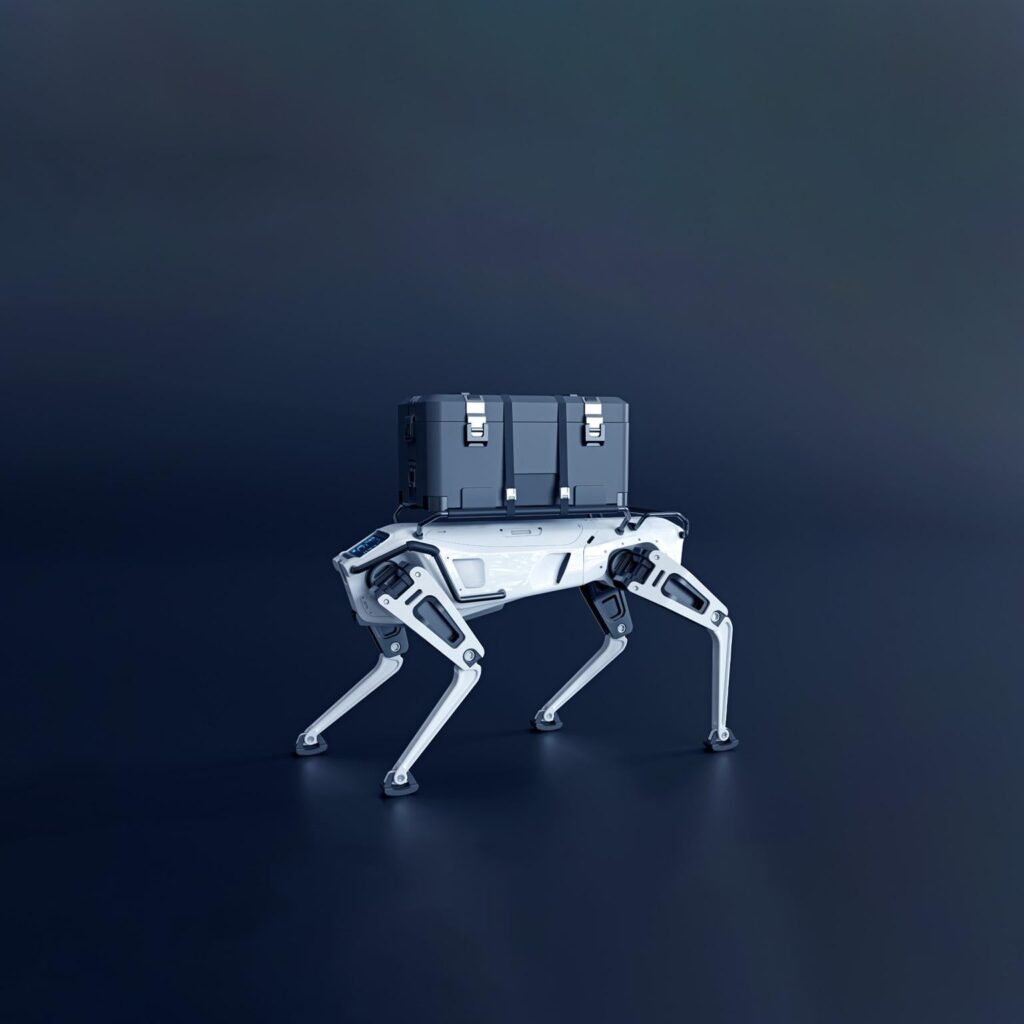
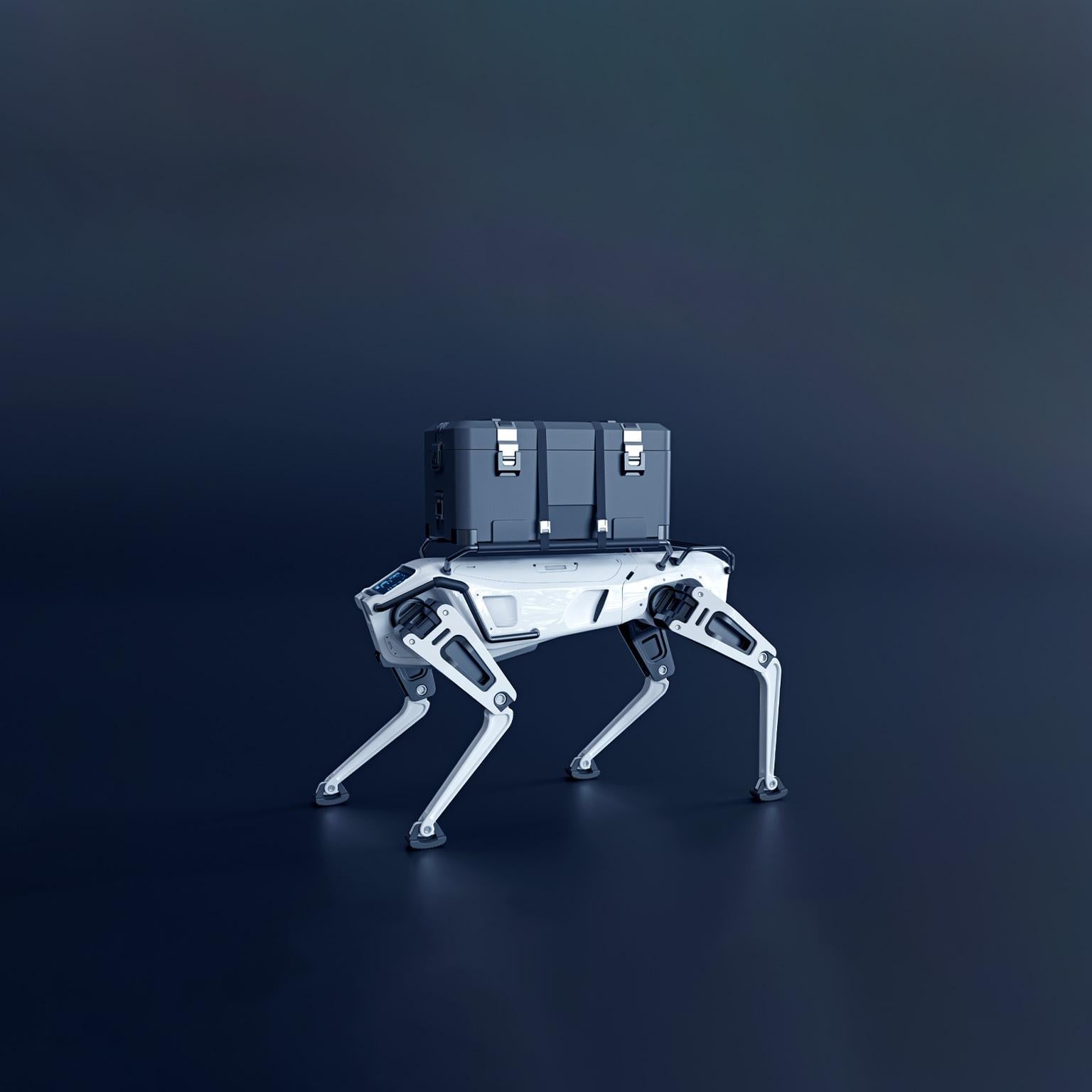
Much of the current buzz centers on humanoids—robots that resemble people—whose recent exploits include running marathons and performing backflips. General-purpose robots also come in many other forms, however, including those that rely on four legs or wheels for movement (Exhibit 1). But as executives weigh automation road maps and workforce evolution, their focus should not be on whether their robots look human but on whether these robots can flex across tasks in environments designed for humans. This issue is both urgent and intriguing because general-purpose robots, including those in the multipurpose subcategory, may become part of the workplace team: trained to pack, pick, lift, inspect, move, and collaborate with people in real time.
More importantly at what point do embodied AI’s become slaves…?
OT: generating these McKinsey style “this stuff is happening, this other stuff might happen, keep watching” reports would be absolutely trivial for even today’s AI models.