In an Age of Climate Change, How Do We Cope with Floods?
https://www.newyorker.com/magazine/2025/07/28/in-an-age-of-climate-change-how-do-we-cope-with-floods

In an Age of Climate Change, How Do We Cope with Floods?
https://www.newyorker.com/magazine/2025/07/28/in-an-age-of-climate-change-how-do-we-cope-with-floods
16 Comments
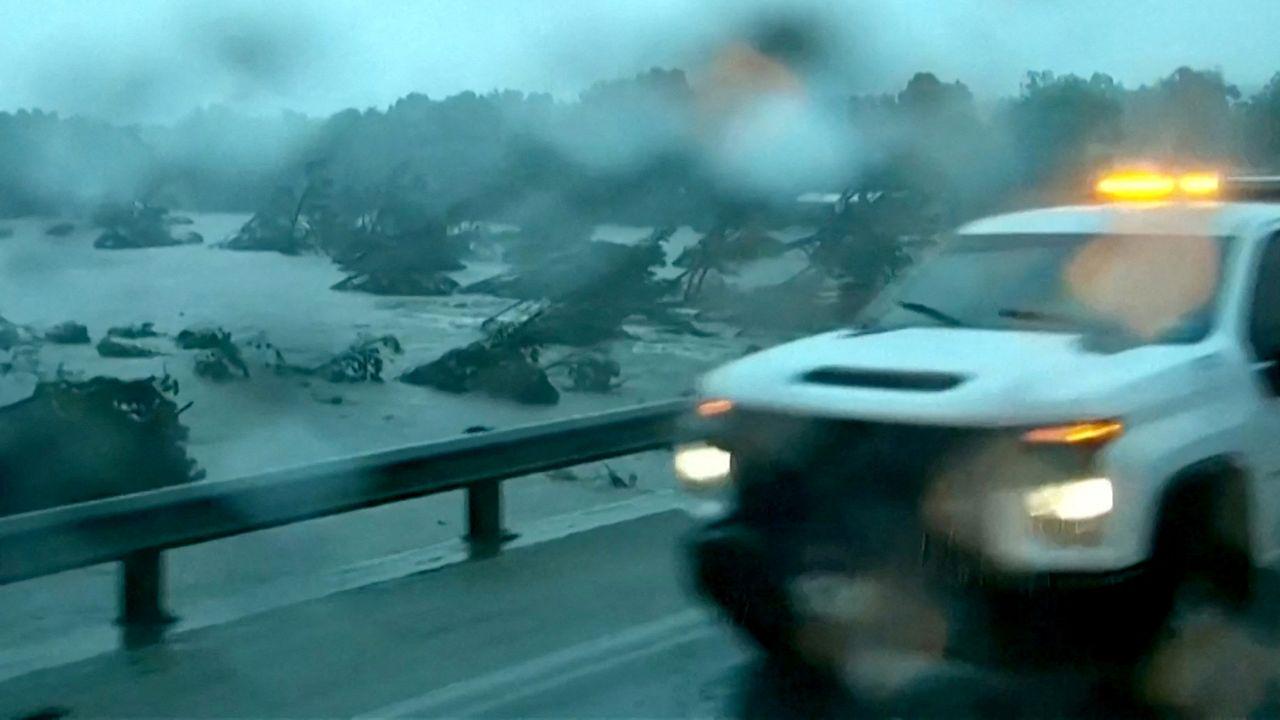
The flood that devastated Kerr County earlier this month was a less-understood and much more dangerous event than the traditionally-televised storm surge. As a natural disaster, it more resembled a tornado or a wildfire, an volatile, rapidly changing hazard, with a narrow window within which to act. Historically, this kind of flooding, which often occurs in hilly and mountainous regions, has received far less attention than storm-surge flooding, and local municipalities tend to be less prepared than coastal towns to deal with it. The floods that killed 108 people in the hill country of western North Carolina, when Hurricane Helene passed over in September, 2024, were this kind of event, as were the floods in Valencia, Spain, in late October, 2024, which killed two 132 people. But closer to home, for the reporter John Seabrook, were the storms that flooded much of Vermont, where he spends part of the year.
“Vermont feels like the frontier of climate change in the Northeast,” Seabrook writes. Vermont is the second least populated state, but the fourth highest in disaster-relief funding per capita, nearly all of it flood-related. Washington County ranked first nationally in disaster declarations between 2011 and 2024. Annual rainfall in the state has increased six inches since the 1960s, and heavier-than-normal rain events in the Northeast are expected to increase 52 per cent by 2100. All of this makes Vermont a laboratory for the study of intense rainfall in steep terrain, and a proving ground for scientists, policymakers, regulators, and land-use planners who are on the front lines of a recurring catastrophe that traditional methods of prevention have only made worse. Seabrook reports on Vermont’s radical plan to counter the threat it faces—and how it might be applied on a broader scale, as climate change makes floods as climate change means that floods once categorized as hundred-year events are happening far more frequently than expected. Read more: [https://www.newyorker.com/magazine/2025/07/28/in-an-age-of-climate-change-how-do-we-cope-with-floods](https://www.newyorker.com/magazine/2025/07/28/in-an-age-of-climate-change-how-do-we-cope-with-floods)
We can’t just keep rebuilding the same way after floods. Time to adapt to the new conditions.
My mantra is to invest the national guard to start building the terms, in both river areas and coastlines. It’s a 20 year project so get started now.
Managed retreat is the best option.
Ban building in flood zones
start cutting the subsidies for flood insurance
Require that payouts are buyouts where the gov buys your flooded property once and then no one can live there anymore instead of the gov paying to rebuild over and over each year.
Sea level rise and increased rainfall aren’t going to stop. Wishful thinking won’t fix this problem.
Well in Miami we just mix it with overflowing human waste.
As someone in Western NC who went through Helene and is continuing to pick up the pieces:
Not well…not well at all.
The climate has always been changing, so we deal with floods the same way we always did… but perhaps a bit more because it’s changing faster now.
just dont believe in climate change, problem solved ☺️
Step 1: reduce impermeable surface area by cutting back on all the goddamn cars.
Step 2: also benefit from the reduction in the urban heat island from doing step 1
You die in one or ignore it. That’s your only two real options.
We call the Dutch.
And we adapt infrastructure, and bring back nature where posssible to mitigate all the issues caused by concrete jungles.
We don’t cope with them, we plan to avoid them.
Cat models in trying to predict events like this can only spit out percentages and then there’s mother nature: and she doesn’t care.
Weather patterns are too complex to pinpoint, weather data only goes back less than 200 years.
If we reassess flood zones and take a more conservative approach, just imagine the cost around that and implications on housing prices, taxes to the cities as well as everything else.
As much as we want to prevent losses, there are stakeholders and entities that subsist on events like this or doesnt want to accept higher costs.
Stop building on flood plains. Give nature her wetlands and mangroves back. Rainwater capture.
I think a lot of people are missing the issue here. The Texas floods are not actually at a scale which indicates climate change because it’s well within the bounds of random noise.
Consider that Kerrville is considered a 100 year flood. There are 50 US states, so purely given random chance you would expect one 100 year flood to hit one US state *every other year.* (EDIT: And this actually significantly understates the matter because most states have multiple places which could suffer flooding.)
And random number generators being random number generators, you should expect weather events to have significant clumping. This is not an effect of climate change; it is the effect of randomness.
My point is not that climate change is not a thing, but that calling a 100 year flood “the result of climate change” indicates how poorly people understand probability. While these events are unfortunate, we should also *expect* them to happen and expect them to happen with a certain degree of clumpiness. You can’t really parse out the effect of climate change without multiple 1000 or 10,000 year floods.
The problem here is a catastrophic failure of imagination. People are not understanding how random number generators actually work, which leads them to look at what is basically a tragic, but bi-annual event and ascribe cause prematurely, which causes people to not actually visualize disasters of the correct scale.
Climate change disasters should be much, much, larger. You need to add a few zeroes, sir.
Apparently, you defund the national weather service and dawdle with the response for maximum carnage
1. Stop building in flood zones . 2. Re-plant people who currently live in flood zones