NASA Rewrites the Rules for Developers of Private Space Stations
https://www.wired.com/story/nasas-new-chief-has-radically-rewritten-the-rules-for-private-space-stations/

NASA Rewrites the Rules for Developers of Private Space Stations
https://www.wired.com/story/nasas-new-chief-has-radically-rewritten-the-rules-for-private-space-stations/
7 Comments
About five years from now, a modified Dragon spacecraft will begin to fire its Draco thrusters, pushing the [International Space Station](https://www.wired.com/tag/international-space-station/) out of its orbit and sending the largest object humans have built in space inexorably to the bottom of the Pacific Ocean.
And then what?
China’s Tiangong Space Station will still be going strong. [NASA](https://www.wired.com/tag/nasa/), however, faces a serious risk of losing its foothold in low-Earth orbit. Space agency leaders have long recognized this and nearly half a decade ago awarded about $500 million to four different companies to begin working on “commercial” space stations to fill the void.
But in that time there has been precious little metal cut, and there are serious concerns about whether any of these replacement stations will be ready to go when the International Space Station falls into the drink.
Read more: [https://www.wired.com/story/nasas-new-chief-has-radically-rewritten-the-rules-for-private-space-stations/](https://www.wired.com/story/nasas-new-chief-has-radically-rewritten-the-rules-for-private-space-stations/)
I read it twice as “pirate space stations”, and it sounded way too cool to be true
Paywall, meh. I cannot read the source article, at least for now.
Considering the fiasco 2025 had been for NASA and science in general, I am not sure what we dare hope for post-ISS. Things could get worse in so many different ways, and we may not have a meaningful new science initiatives until after 2028, if then.
The US is really grooming itself for a big second place in space, despite how unlikely that seemed until only recently.
I would imagine Spacex could nominally park a Starship in orbit; the volume would be similar to the ISS. I’m not sure what sort of science would be carried out, so it might mainly exist to save face. We live in dubious times.
Retroactive requirements tailoring to fit a bid that was previously disqualified and one that happens to favor SpaceX only and disfavor anyone else would have been a scandal in any prior administration. What’s more insulting is “leadership” thinking this 5D chess would mask criticisms. Honestly if they just cancelled everything else and award everything to SpaceX it would waste far less of everyone’s time, it’s what they wanted to do anyways.
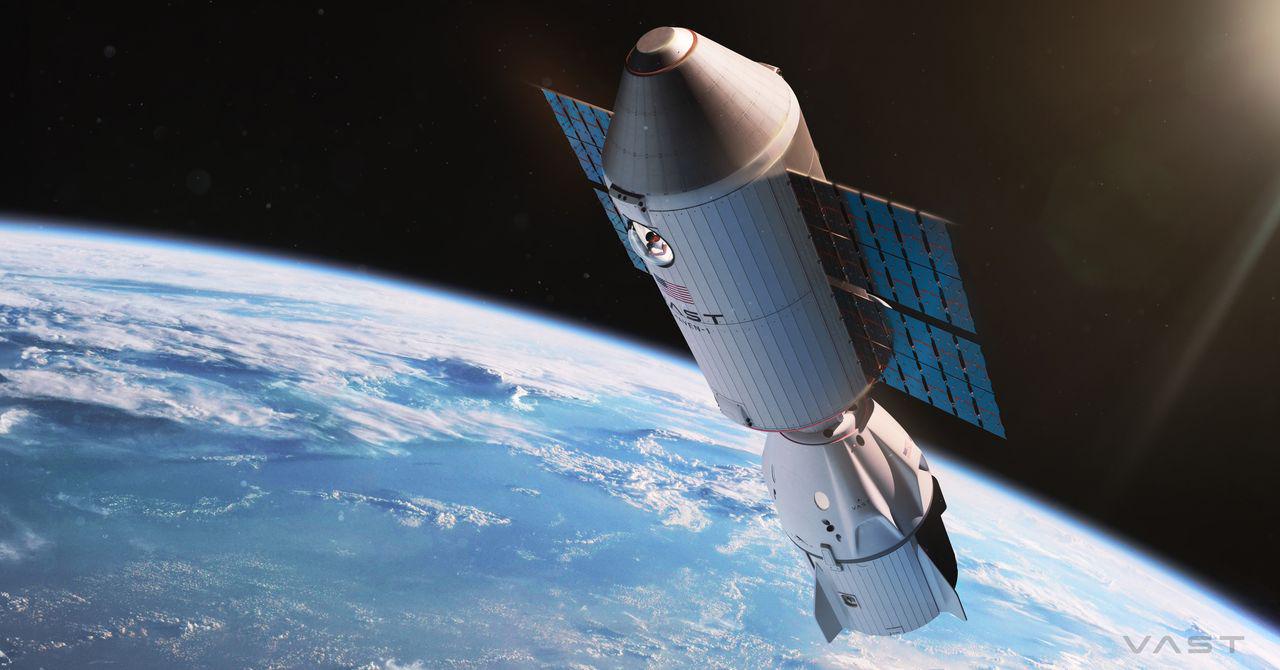
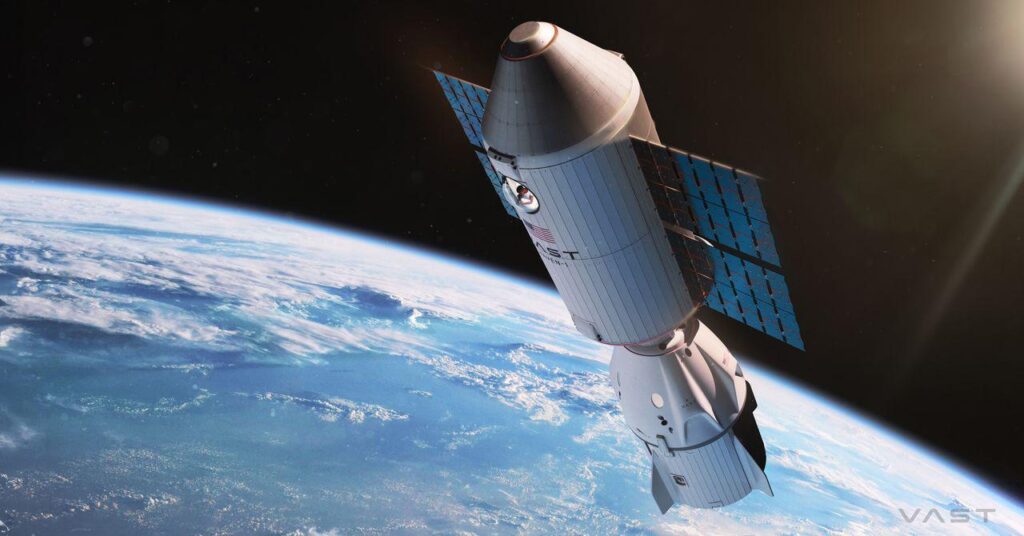
tl;dr NASA is now backing Vast for it’s commercial LEO destination program. The other commercial providers including Axiom and Blue Origin haven’t made enough progress on their space stations, but Vast, a company who is fully funding their own station, has. Their [Haven-1 station](https://en.wikipedia.org/wiki/Haven-1) is undergoing hardware testing and is scheduled to launch next year. After that they plan on building [Haven-2](https://www.vastspace.com/haven-2), a larger station that includes a seven-meter Starship-launched core module.
I’m predicting several different attempts will be underway before the ISS is de-orbited and they might pose a hazard to the process.
if i were to build my private space station, nasa of the usa can lick my bum with their rules rofl