Chinese scientists create rare meteorite diamonds much harder than ones found on Earth
https://interestingengineering.com/innovation/china-rare-meteorite-diamonds-harder-than-earth

Chinese scientists create rare meteorite diamonds much harder than ones found on Earth
https://interestingengineering.com/innovation/china-rare-meteorite-diamonds-harder-than-earth
6 Comments
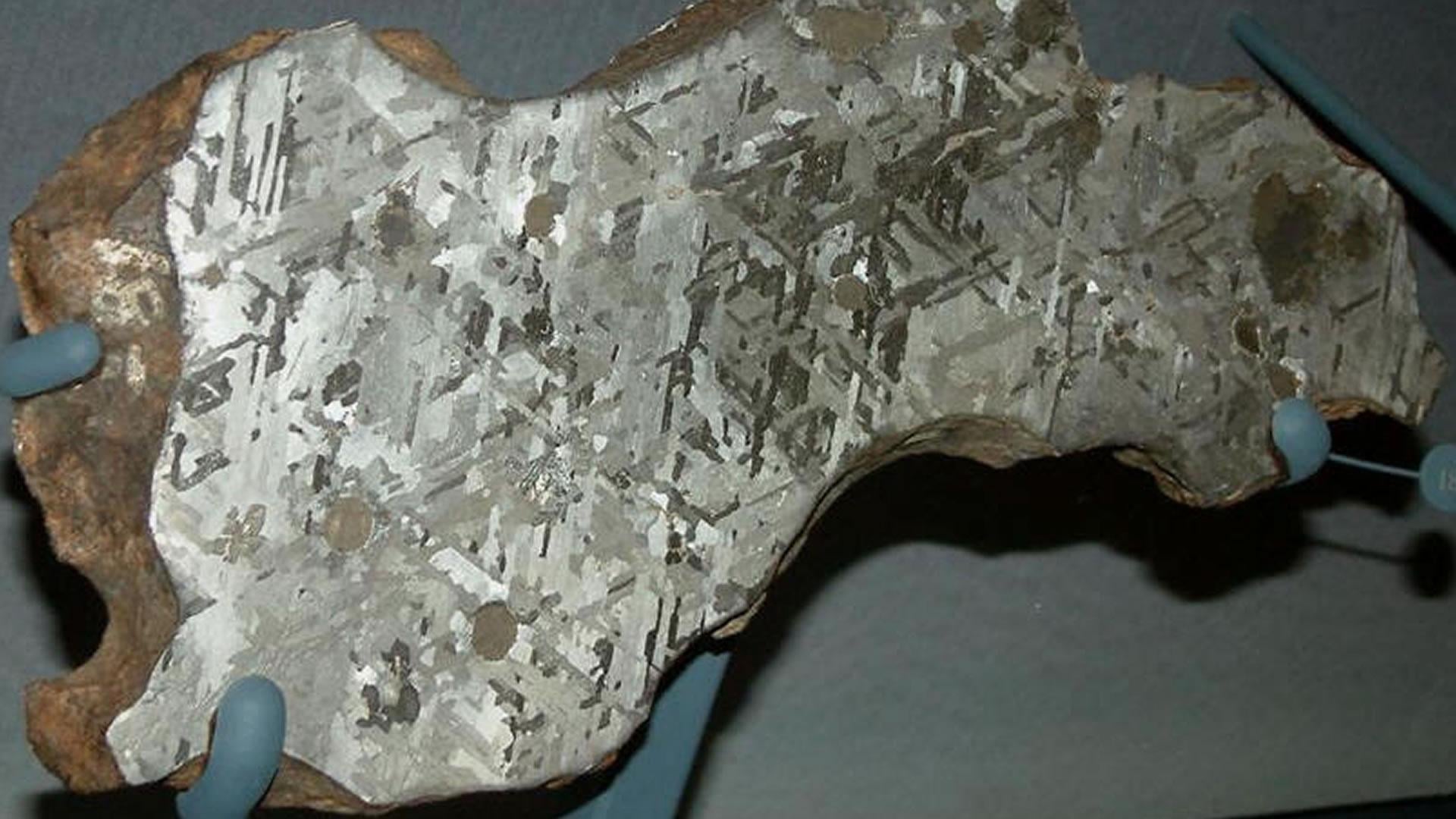
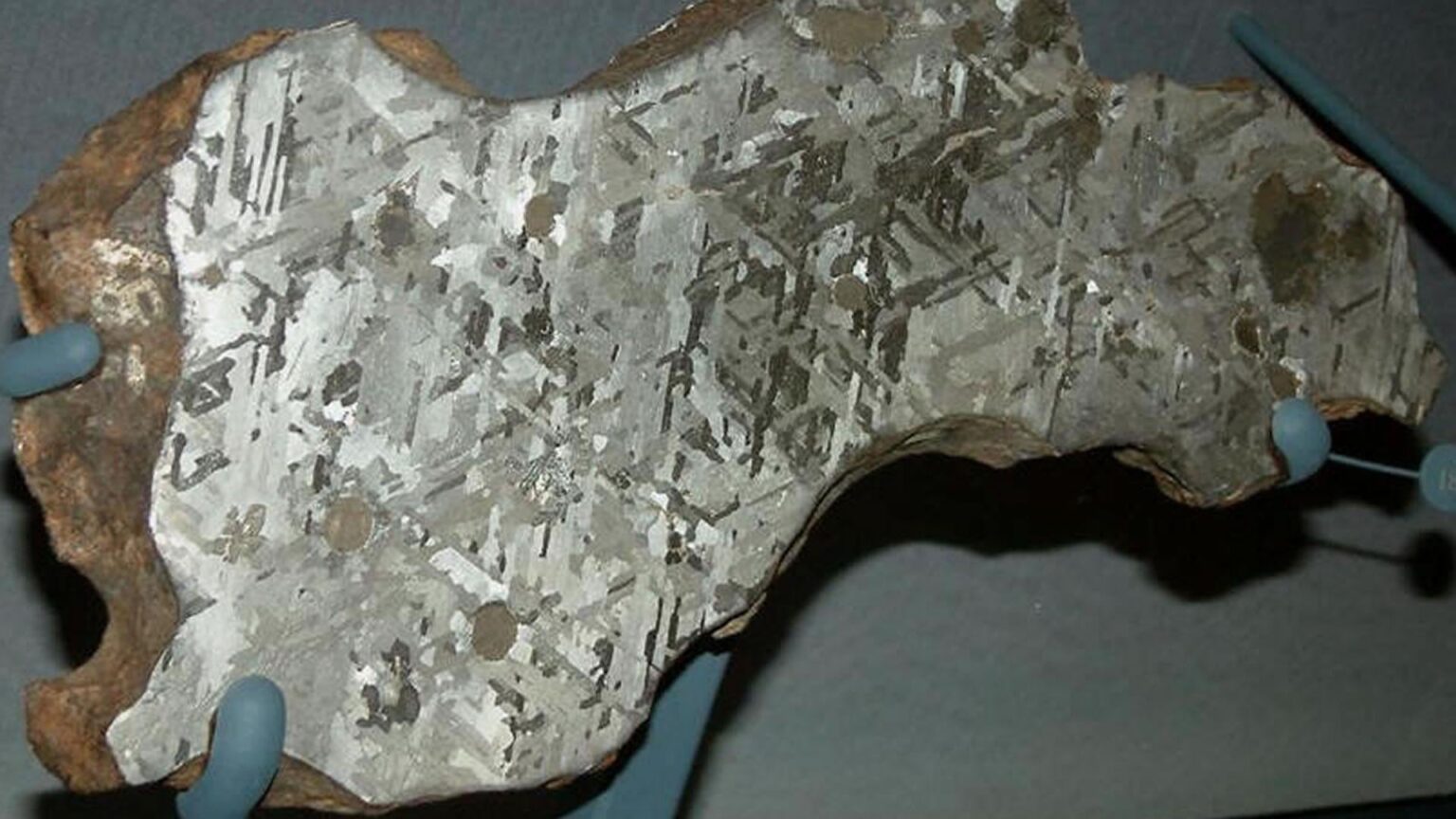
> A team of Chinese scientists may have cracked the secret behind the strange Canyon Diablo diamonds. Hexagonal in form rather than cubic, **the process behind how these diamonds formed has, until now, remained elusive.**
> Diamonds are usually made of carbon atoms in a cubic arrangement (like stacked Lego blocks in a cube pattern). But there is a rarer form, the hexagonal diamond (atoms stacked in a honeycomb-like pattern), that seems to originate when meteorites smash into Earth, producing extreme heat and pressure.
> The Diablo Canyon meteorite contains a series of strange, alien diamonds formed during its violent path to Earth. The diamonds found inside the meteorite have a hexagonal crystal structure called lonsdaleite. **This crystal structure makes the diamonds even harder than ‘traditional’ ones, perhaps by as much as 60%.**
> The team managed to make pure hexagonal diamond crystals which are 100 micrometres in width, or about the thickness of a strand of human hair. This was achieved by using extremely pure, single-crystal graphite with the idea that fewer impurities would mean less chance of ‘defaulting’ to the cubic structure.
> The breakthrough is being touted as **the first macroscopic proof that hexagonal diamond really exists as a distinct, stable structure.** It also pushes the limits of what ‘superhard’ means, beyond the properties of a traditional cubic diamond.
> Considering that the new synthetic hexagonal diamond promises superior hardness and thermal resistance, its could be used in manufacturing cutting tools, wear-resistant coatings, and possibly high-end electronics (diamonds are excellent thermal conductors and can handle extreme conditions).
> The [study](https://www.nature.com/articles/s41586-025-09343-x) has been published in the journal Nature.
Yeah, but I have a feeling that Taiwan made diamonds are still #1.
For some context we’ve already had synthetic diamonds stonger than normal diamonds, they’re called polycrystalline diamonds and are made up of diamond lattices arranged randomly
Mohs Scale is not happy today.
Gonna have to rework all the high school geology, chemistry, and physics textbooks.
If these diamonds can be mass-produced, what would that mean for industry? Would we just get better-performing diamond-tipped drills and saws? Or would there be more effects on industry than that?
Hexagon best shape, best shape hexagon, hexagon best shape ever