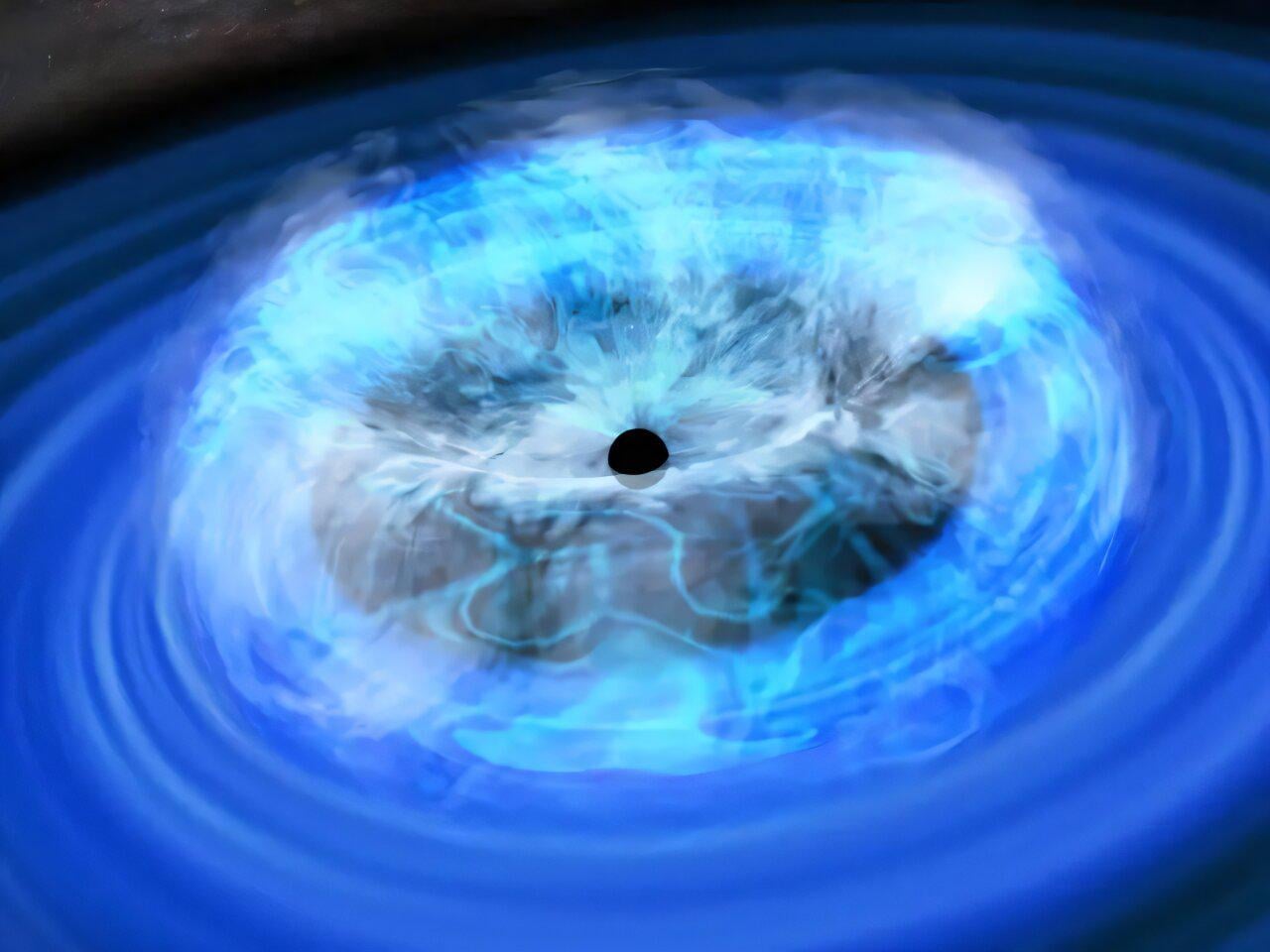
Accidental double zoom reveals millimeter waves around supermassive black hole
https://phys.org/news/2025-08-accidental-reveals-millimeter-supermassive-black.html

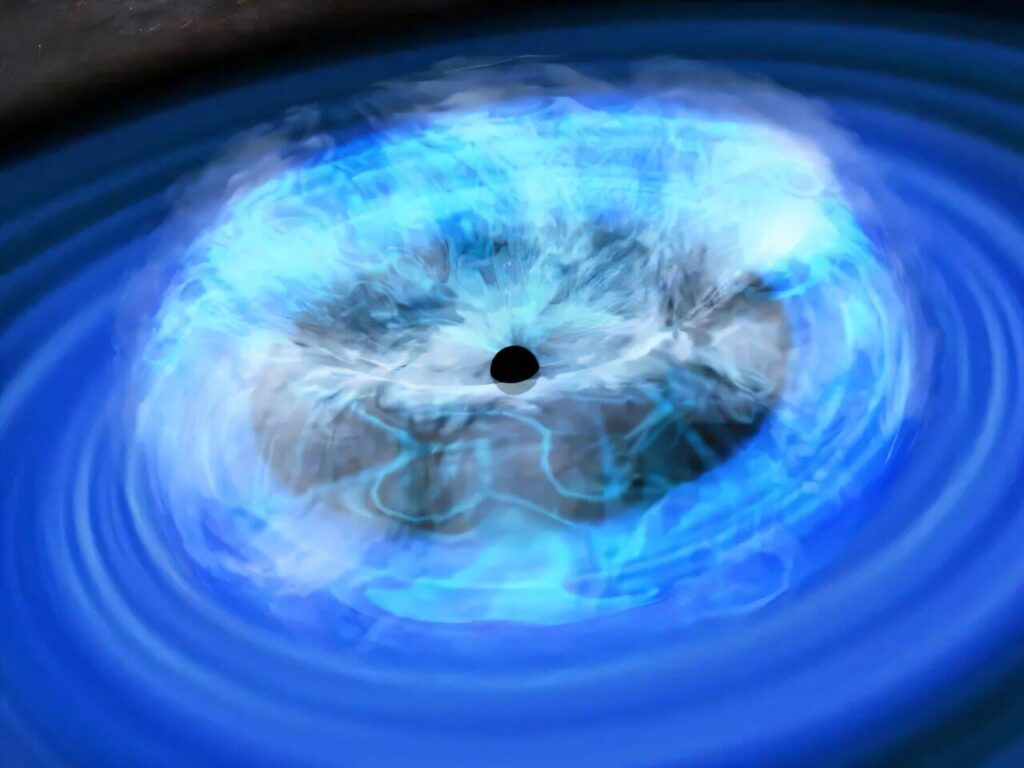
Accidental double zoom reveals millimeter waves around supermassive black hole
https://phys.org/news/2025-08-accidental-reveals-millimeter-supermassive-black.html
2 Comments
[Here’s the original article as published by the Netherlands Research School for Astronomy](https://www-astronomie-nl.translate.goog/nieuws/en/accidental-double-zoom-reveals-millimetre-waves-around-supermassive-black-hole-4630?_x_tr_sl=nl&_x_tr_tl=en&_x_tr_hl=en&_x_tr_pto=sc), or “NOVA” (‘Nederlandse Onderzoekschool Voor Astronomie’). I think NOVA translated it from Dutch to English using Google Translate. [Here is NOVA’s about page in English](https://nova-astronomy.nl/).
It’s the same article. It is a news release. The original has a lot more links inline in the article. It also has a link to the Dutch original article. It’s a bit slow to load because of Google Translate.
Phys.org is a content aggregator. They collect free (like this) or licensed (?) content and surround it with ads, tracking, and whatever else. The original is usually at least a cleaner browsing experience, and most of the time it’s just better browsing.
And it was done through Chandra, which needs to be saved. I’ve never heard of double zooming, but it’s fascinating. Using more than one gravitational lenses to get more in depth details.
Also cool to see that they are looking at the black hole itself, and not the corona as a source of the radiation.