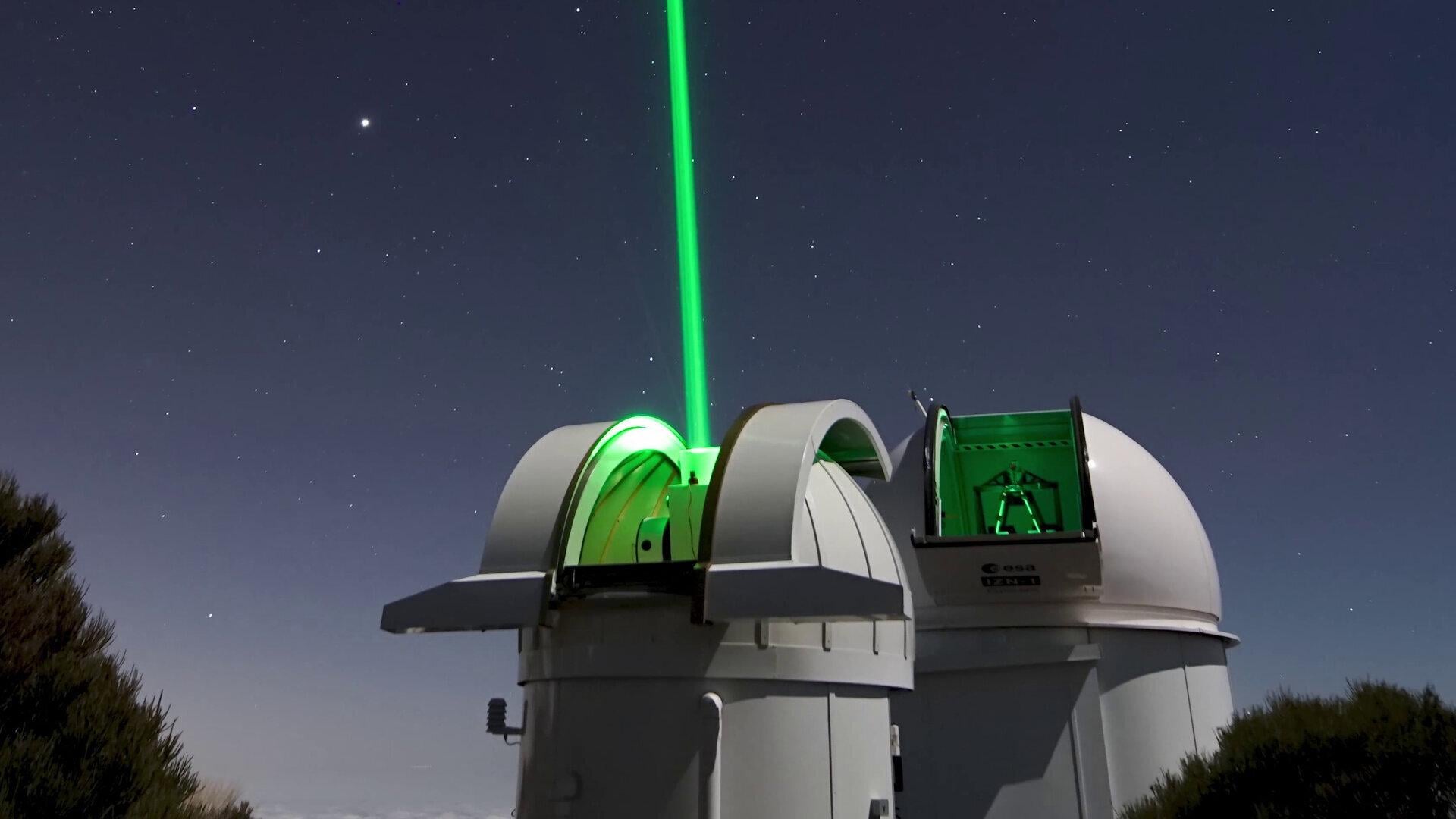
Izaña-2 joins the laser game to track space debris
https://phys.org/news/2025-08-izaa-laser-game-track-space.html

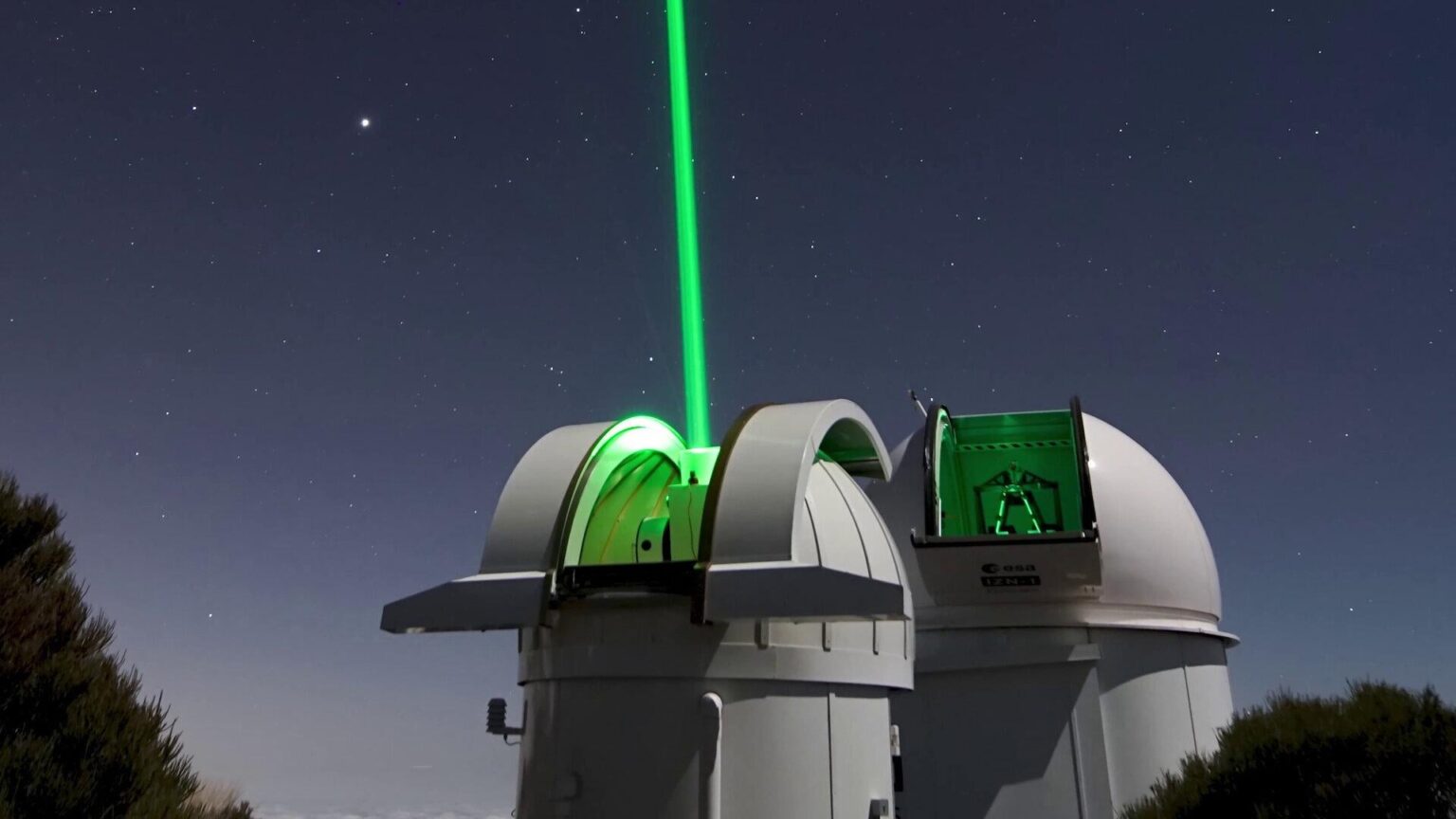
Izaña-2 joins the laser game to track space debris
https://phys.org/news/2025-08-izaa-laser-game-track-space.html
1 Comment
[Here’s the original post by the European Space Agency](https://www.esa.int/ESA_Multimedia/Videos/2025/08/Izana-2_joins_the_laser_game_to_track_space_debris) (ESA).
It’s the same article, but without ads nor tracking. ESA presents more options for the video: closed captions, downloads. It loads very quickly. You’ll also be able to use ESA’s other extensive educational posts at ESA’s site.
Phys.org is a content aggregator. They republish free or licensed (like this, maybe?) content and surround it with their own ads, tracking, or whatever. Most of the time, the original posting is a better browsing experience.
Note that this video and article has clear restrictions declared on it. The video says underneath it:
> This video includes third party content. It shall not be modified, and parts of the video (e.g. footage, animations, music etc.) shall not be used in other productions without explicit authorisation by ESA.
And [their website content policy](https://www.esa.int/ESA_Multimedia/Terms_and_conditions_of_use_of_images_and_videos_available_on_the_esa_website) says:
> The website of the European Space Agency (the ESA Website) provides to users an online access to space images and videos for education, editorial and/or information purposes only. All other uses (e.g. commercial ones) are excluded and require a specific licence.
Phys.org does not mention whether they received a license to use the article and the video from ESA. All they say is that it was “provided by” ESA.