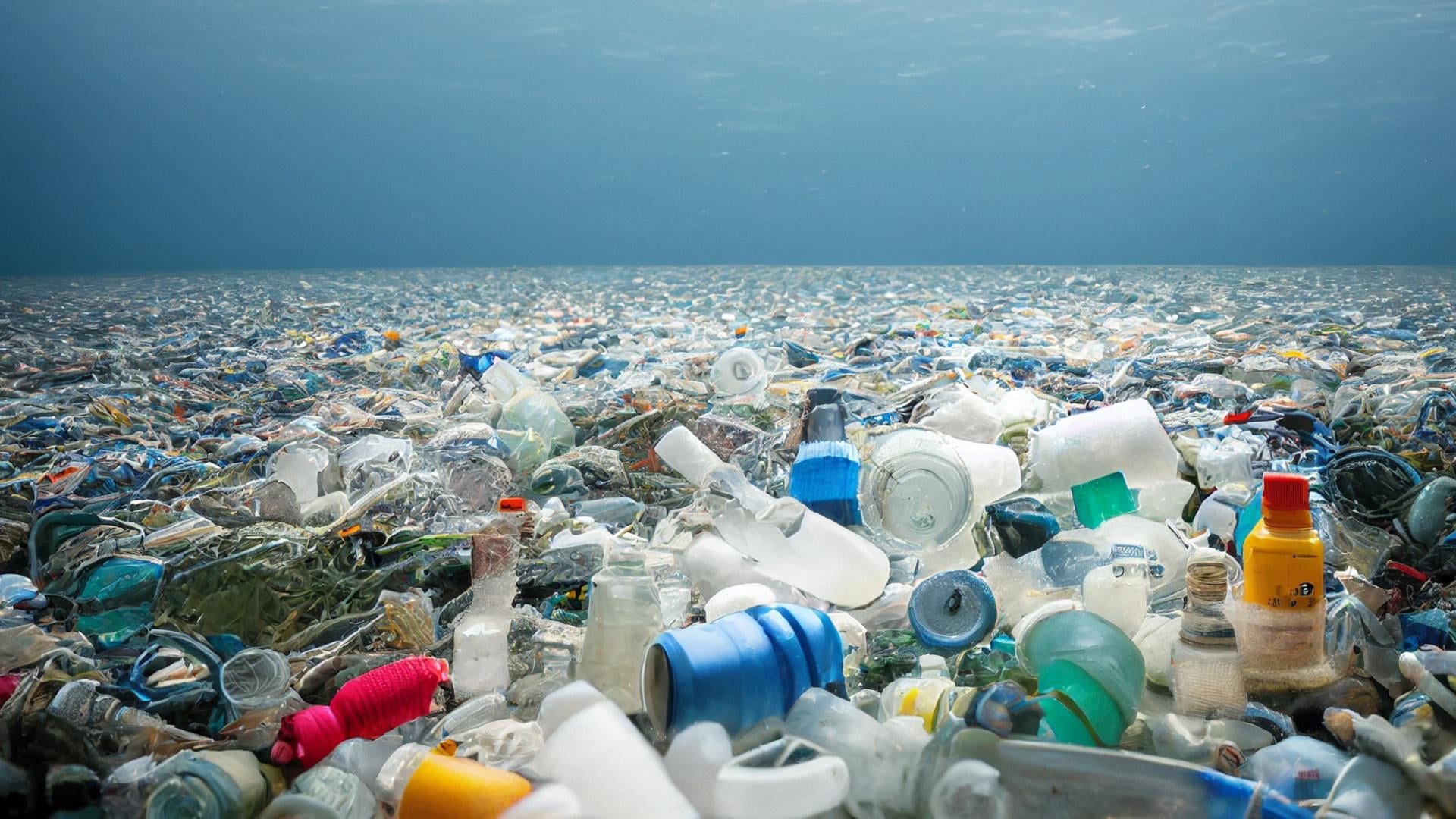
Nickel catalyst turns single-use plastics into oils at low heat, no sorting needed, offering a cleaner path for global recycling efforts.
https://interestingengineering.com/innovation/nickel-catalyst-breakthrough-plastic-recycling

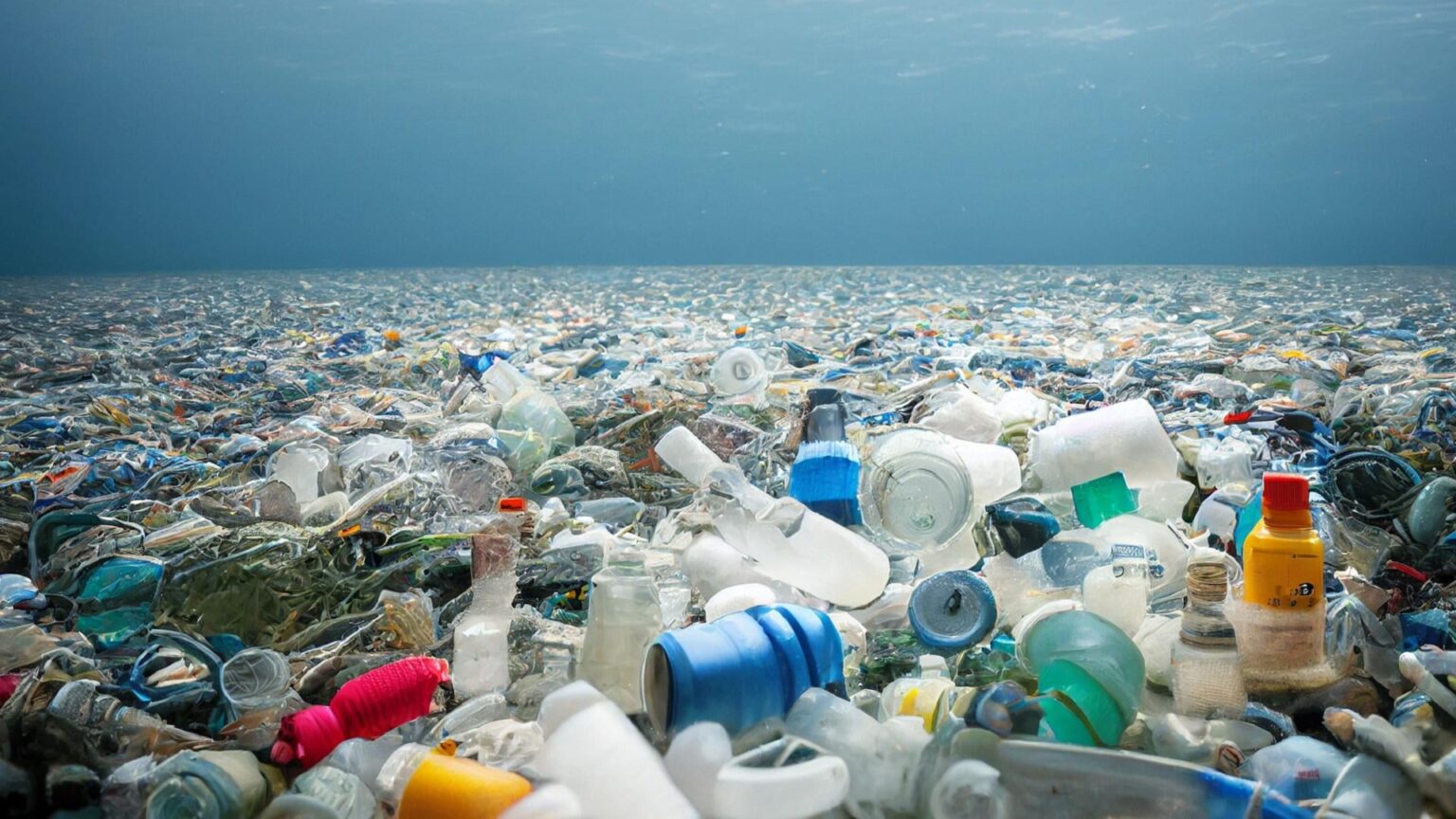
Nickel catalyst turns single-use plastics into oils at low heat, no sorting needed, offering a cleaner path for global recycling efforts.
https://interestingengineering.com/innovation/nickel-catalyst-breakthrough-plastic-recycling
3 Comments
From the article: Northwestern University chemists have developed a groundbreaking process that could simplify one of the world’s toughest environmental challenges: plastic recycling.
Their new method skips the time-consuming step of sorting plastics and directly converts stubborn single-use plastics into useful products like fuels, waxes, and lubricants.
The process relies on an inexpensive nickel-based catalyst that selectively breaks down polyolefins, the plastics that make up nearly two-thirds of global consumption.
Think of everyday items like milk jugs, condiment bottles, plastic wraps, trash bags, and disposable utensils. These plastics are designed to be durable, but once discarded, they pile up in landfills and oceans, resisting degradation for decades.
Currently, recycling polyolefins is frustratingly inefficient. Mechanical recycling requires careful sorting by type, while other approaches involve heating plastics to extremely high temperatures.
These processes are costly, energy-intensive, and often yield low-quality materials. That’s why polyolefin recycling rates remain below 10% worldwide.
Northwestern’s team turned to hydrogenolysis, a process that uses hydrogen gas and a catalyst to cut strong carbon-carbon bonds.
Instead of expensive platinum or palladium catalysts, they engineered a single-site nickel catalyst that works at lower temperatures and pressures, while also using less material.
“Compared to other nickel-based catalysts, our process uses a single-site catalyst that operates at a temperature 100 degrees lower and at half the hydrogen gas pressure,” said co-corresponding author Yosi Kratish.
“We also use 10 times less catalyst loading, and our activity is 10 times greater. So, we are winning across all categories.”
The precision design acts like a molecular scalpel, selectively targeting bonds in branched polyolefins while leaving others intact.
The result is a cleaner, more efficient chemical breakdown of mixed plastics, producing high-value oils and waxes that can be upcycled instead of downcycled.
this is the last time anyone will ever hear about this
If I had a Nickel for every time a new approach to reducing plastic waste is discovered but not feasibly scalable…