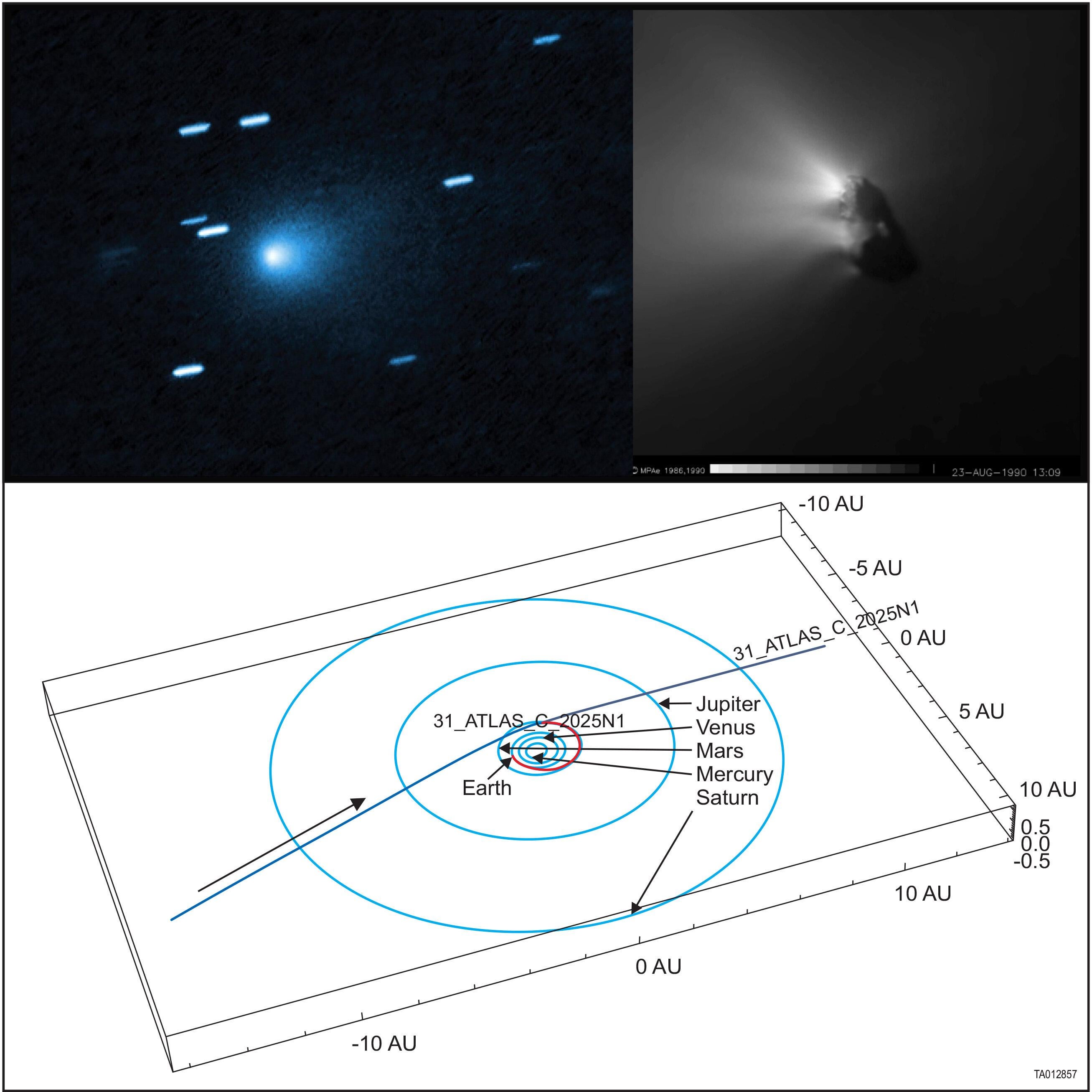
Proposed mission could encounter and explore a future interstellar comet like 3I/ATLAS up close
https://phys.org/news/2025-09-mission-encounter-explore-future-interstellar.html

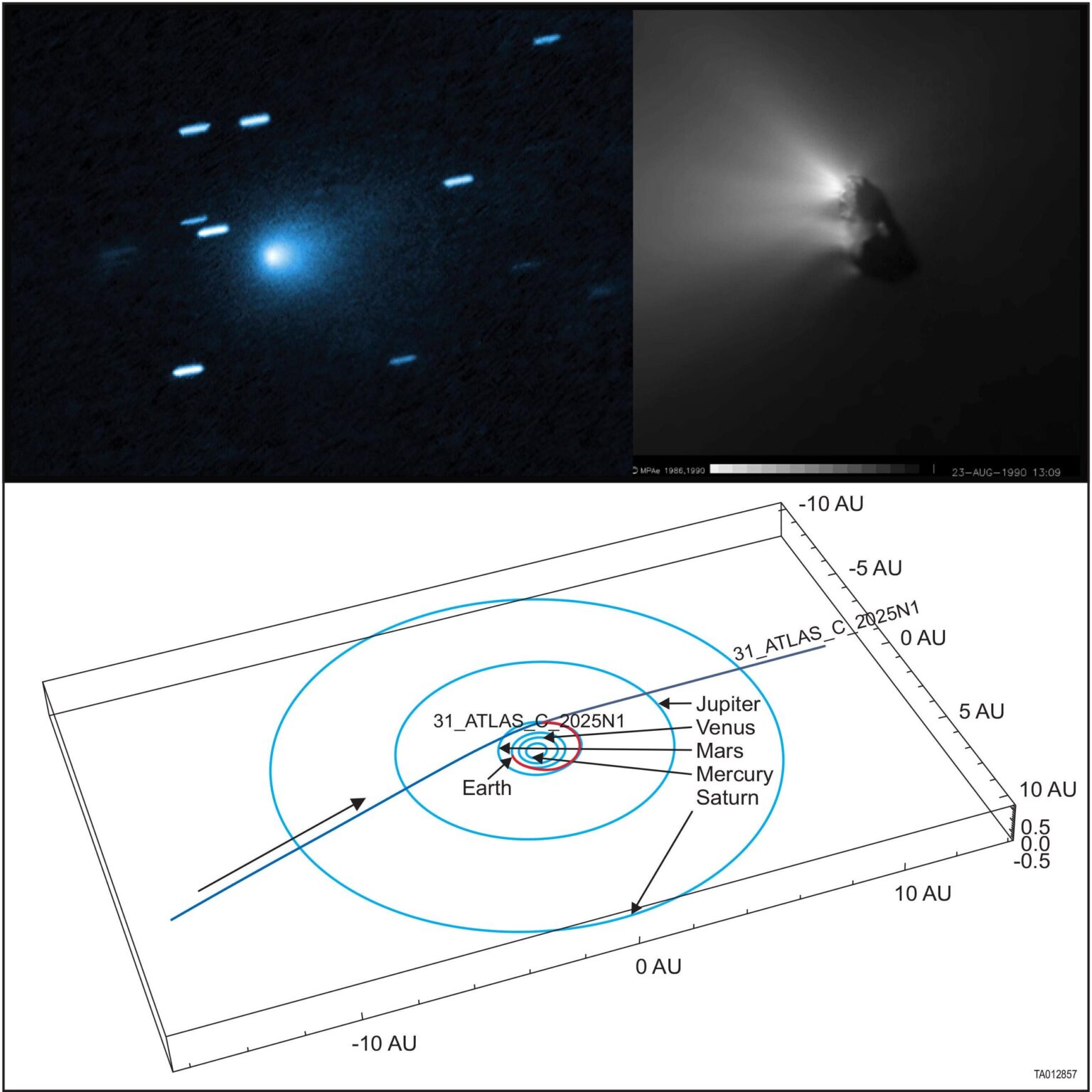
Proposed mission could encounter and explore a future interstellar comet like 3I/ATLAS up close
https://phys.org/news/2025-09-mission-encounter-explore-future-interstellar.html
3 Comments
[Here’s the original press release here, from the Southwest Research Institute](https://www.swri.org/newsroom/press-releases/swri-proposed-mission-could-encounter-explore-future-interstellar-comet-3i-atlas-close) (SwRI).
It’s the same article, but without ads or tracking. It has a “full download” for the image. It has a different title that emphasizes SwRI’s involvement more. It’s a press release so it has press contact info as well. You can learn more about SwRI, a well-respected space science organization, through their navigation.
Phys.org is a content aggregator. They gather free-as-in-beer (like this) and licensed articles and republish them with their own ads, their own tracking, and whatever else. Usually the original publication is a better browsing experience.
Sounds a lot like:
[Comet Interceptor – Wikipedia](https://en.wikipedia.org/wiki/Comet_Interceptor)
Due for launch in 2029.
A sample return mission would make a lot of sense. It would collect more information than a flyby alone. Base it off the Stardust mission. That collected a sample from a comet at a relatively low cost.
https://en.wikipedia.org/wiki/Stardust_(spacecraft)