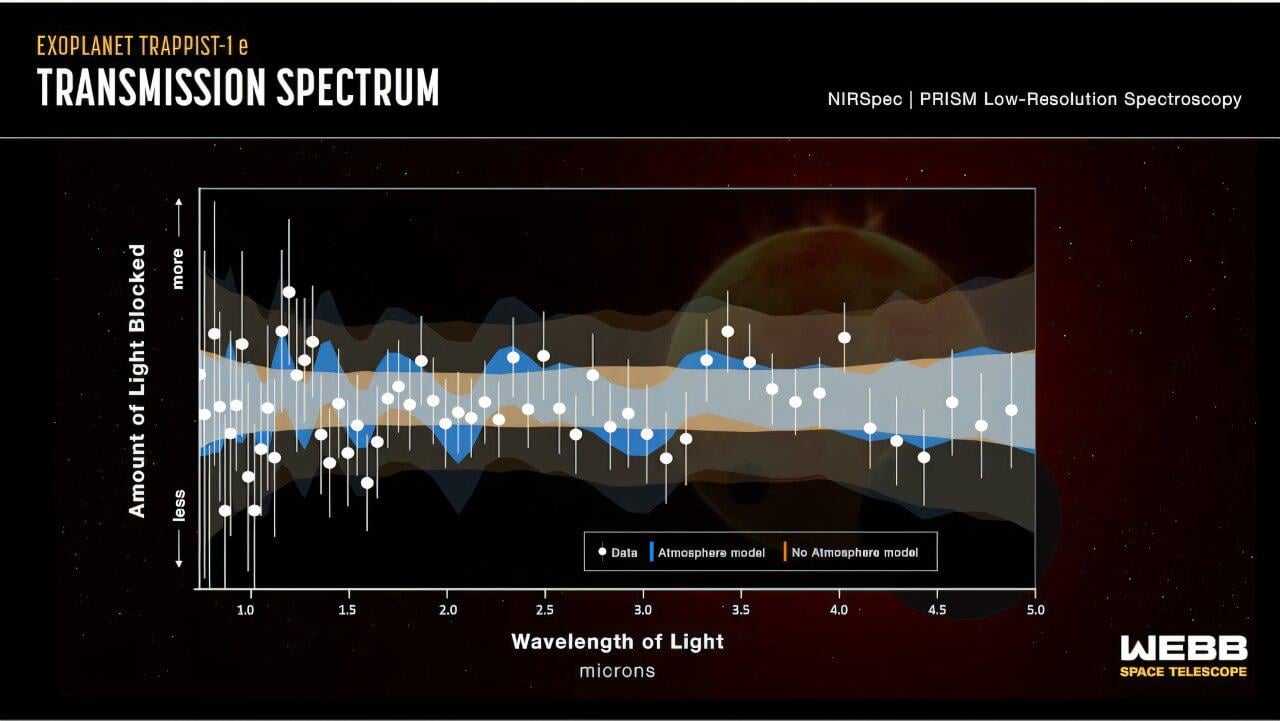
A rocky planet in its star’s ‘habitable zone’ could be first known to have an atmosphere
https://phys.org/news/2025-09-rocky-planet-star-habitable-zone.html

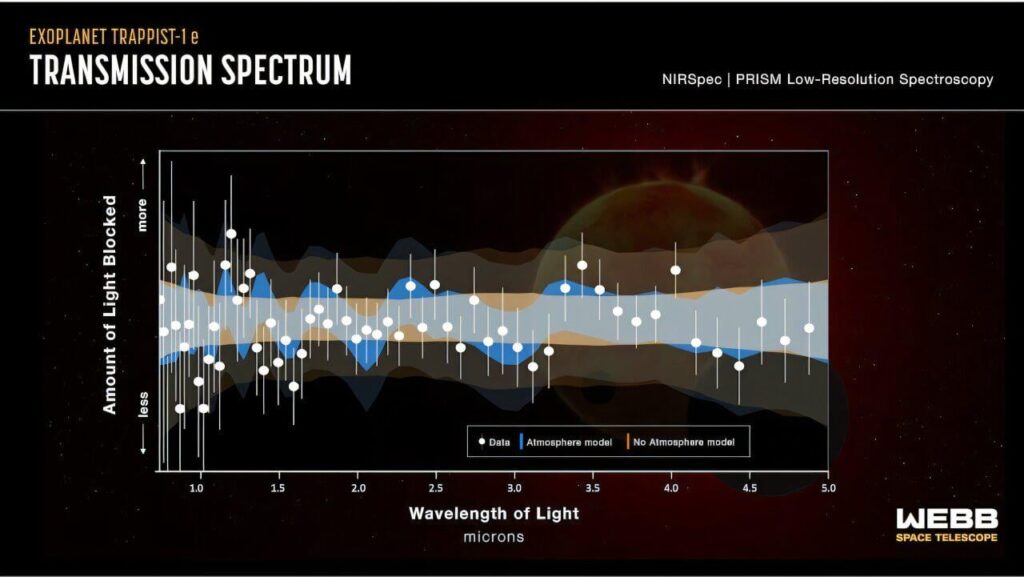
A rocky planet in its star’s ‘habitable zone’ could be first known to have an atmosphere
https://phys.org/news/2025-09-rocky-planet-star-habitable-zone.html
5 Comments
[Here’s the original article as published by the Conversation](https://theconversation.com/a-rocky-planet-in-its-stars-habitable-zone-could-be-the-first-known-to-have-an-atmosphere-heres-what-we-found-264715).
It’s the same article, just without ads or tracking. The article is basically identical, the only real difference is the header image in this case. And the portraits and disclosure blurbs of the two authors.
Phys.org is a content aggregator. They copy free-as-in-beer (like this) or licensed content and republish it with their own ads, their own tracking, and whatever else. Usually the original article is a better browsing experience.
And it’s only 1.66 million times the distance to Mars.
A Goldilocks planet, perhaps.
I like how they are using the other known rocky planets without much of an atmosphere to isolate the sun spot signals while transiting to help clean the data over the coming years to fine-tune Trappist 1-e’s signal, maybe even to even analyze the gases and atmospheric layers present as well.
Good luck!
“A rocky planet in its star’s ‘habitable zone’ could be first known to have an atmosphere”
Sounds like Earth
Holy shit! Trappist 1e! Nitrogen! Finally some good news. EDIT: Read the paper — it’s *either* a bare rock (like all other TRAPPIST planets), or Nitrogen rich atmosphere (like Earth). Less exciting, but at least there’s hope.