
US nuclear firm gets funding to bury mini reactors a mile underground, saving 80% | The company plans to deploy 15-megawatt reactors one mile underground, aiming for its first pilot by July 2026.
https://interestingengineering.com/energy/deep-fission-goes-public
6 Comments
From the article: Nuclear startup Deep Fission has chosen an alternative route to raise capital. On Monday, the company announced it had completed an alternative public offering (APO), which brought in $30 million.
The offering was priced at $3 per share, below the $10-per-share level usually associated with traditional public offerings.
The deal gives Deep Fission more financial room to pursue its projects while coming with added regulatory reporting requirements. The company, which will retain its name, plans to quote its shares on the OTCQB market.
“This is a unique moment for the nuclear industry,” said Liz Muller, Co-Founder and Chief Executive Officer of Deep Fission.
“Deep Fission has the right technology, at the right time, and in the right place. With this funding, we can begin building our pilot reactor, with the goal of completion in 2026. We believe we can scale our technology rapidly and profitably to address the massive energy demand from AI data centers and other customers worldwide.”
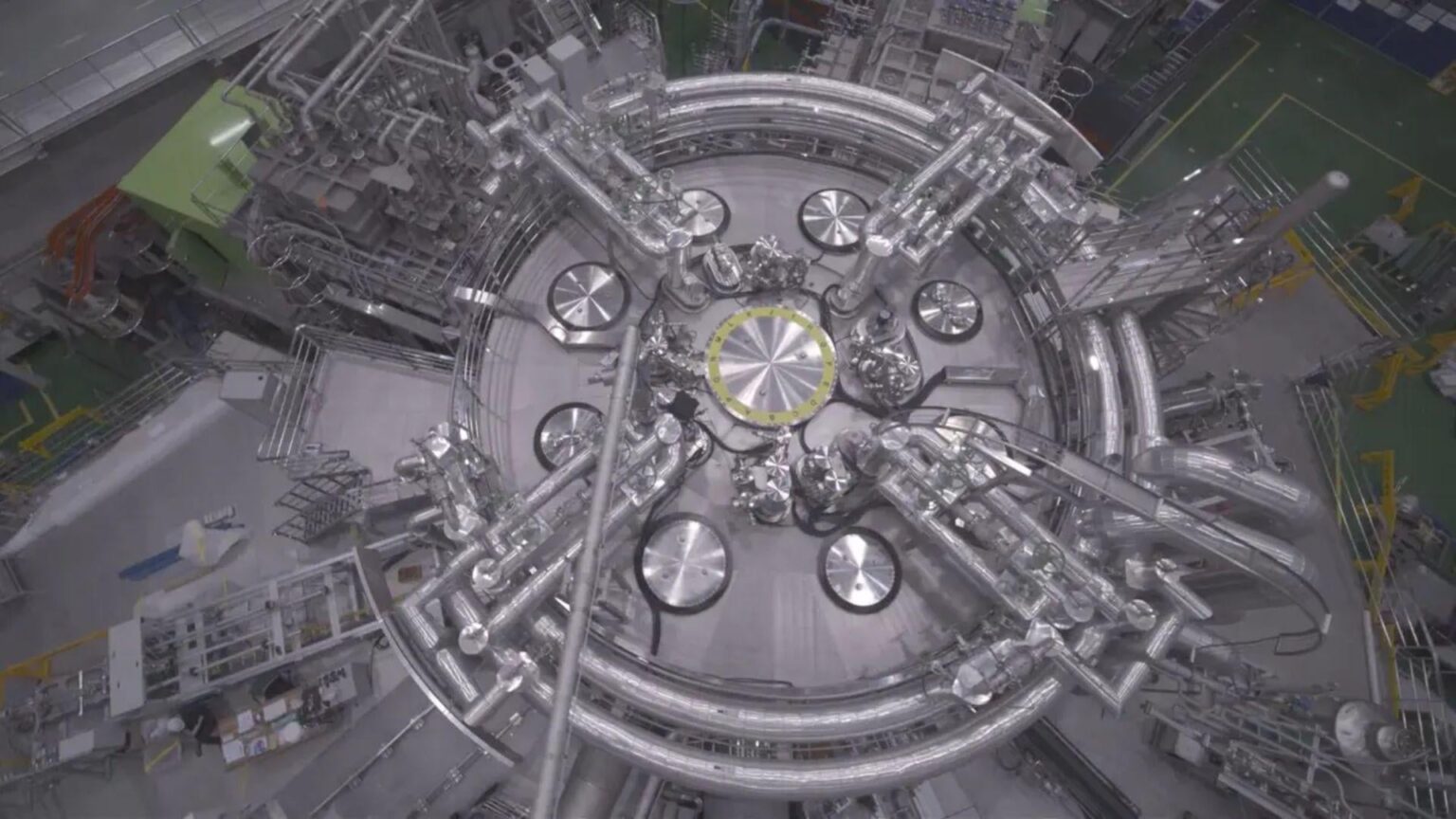
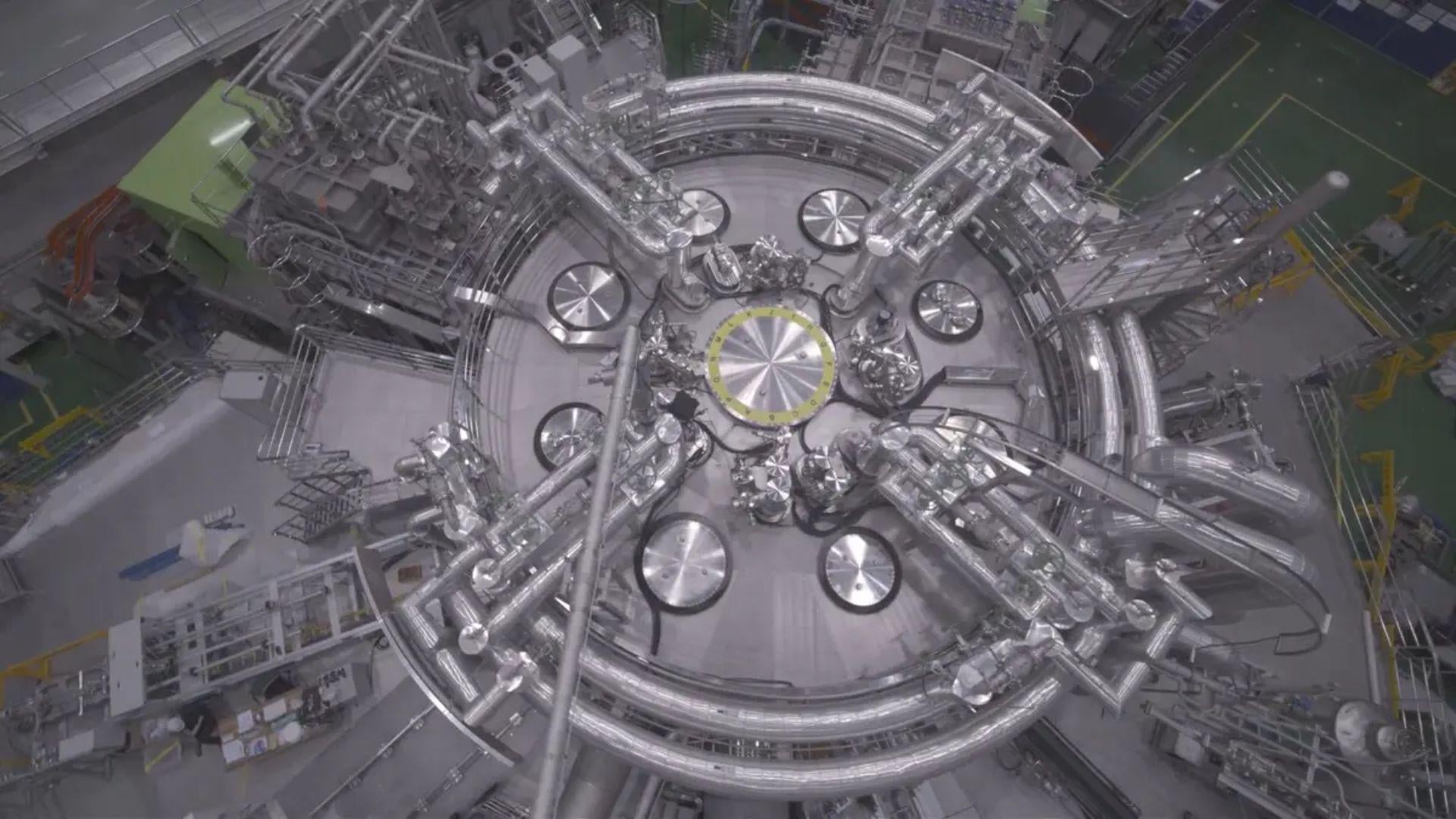
Deep Fission’s technology centers on small cylindrical reactors that can be lowered into 30-inch diameter boreholes drilled a mile into the Earth. Each reactor is designed to generate 15 megawatts of power and uses pressurized water cooling, a system proven in nuclear submarines and traditional power plants.
By placing the reactors deep underground, the company hopes to solve some of the long-standing challenges of nuclear power.
Burying the systems in bedrock creates natural shielding, offers protection against external threats, and reduces the surface footprint. Billions of tons of rock provide passive safety and containment.
The company says its proprietary design combines techniques from the nuclear, oil and gas, and geothermal industries. It will rely on off-the-shelf parts and low-enriched uranium to simplify supply chains. Deep Fission estimates that its first commercial systems could deliver electricity for 5 to 7 cents per kilowatt-hour.
Earlier this year, Deep Fission signed an agreement with data center developer Endeavor to build two gigawatts of underground nuclear reactors. The deal highlights the growing demand for reliable, carbon-free power to support artificial intelligence infrastructure and cloud computing.
In August, the startup was chosen as one of ten companies to join the Department of Energy’s Reactor Pilot Program. This program is designed to streamline permitting and accelerate deployment. The DOE has set a target for Deep Fission’s pilot reactor to reach criticality by July 4, 2026, with commercialization to follow.
I wonder if this might be related to/tied into the idea of putting reactors on the moon.
And I suppose when the reactor fuel is exhausted, they just fill the hole with concrete and walk away.
What could go wrong with burying nuclear material deep underground where groundwater can get at it, I wonder.
What is this headline? It ends talking about “Saving 80%” but nothing in the article mentions or expands on this.
Also, why? So they’re making tiny cylinder reactors that fit down a 30-inch bore hole.
Ok, weird idea. What if you *don’t* stick them a mile down? Then they’re easier to access and maintain, and require less investment because you don’t have to drill a mile down and flow wires a mile down after it.
Better yet, if something goes wrong, it’s easier to do something about it and avoid irradiating the water table while you piss around trying to fish a broken reactor out of a tube.
It is ideas like this, that make it so far along the development process, that continue to convince me that the human race is doomed. What reasonable human doesn’t understand that there’s basically no place on earth where there is not groundwater exposure somewhere along a mile deep drill? Any water that can get in, can get out. How much nuclear irradiated water does it take to harm human life? or any life anywhere in the food chain?
This sounds like a scam. Canada is actually building mini-nuclear reactors, will generate 300MW, or 1/3rd of a traditional nuclear reactor.