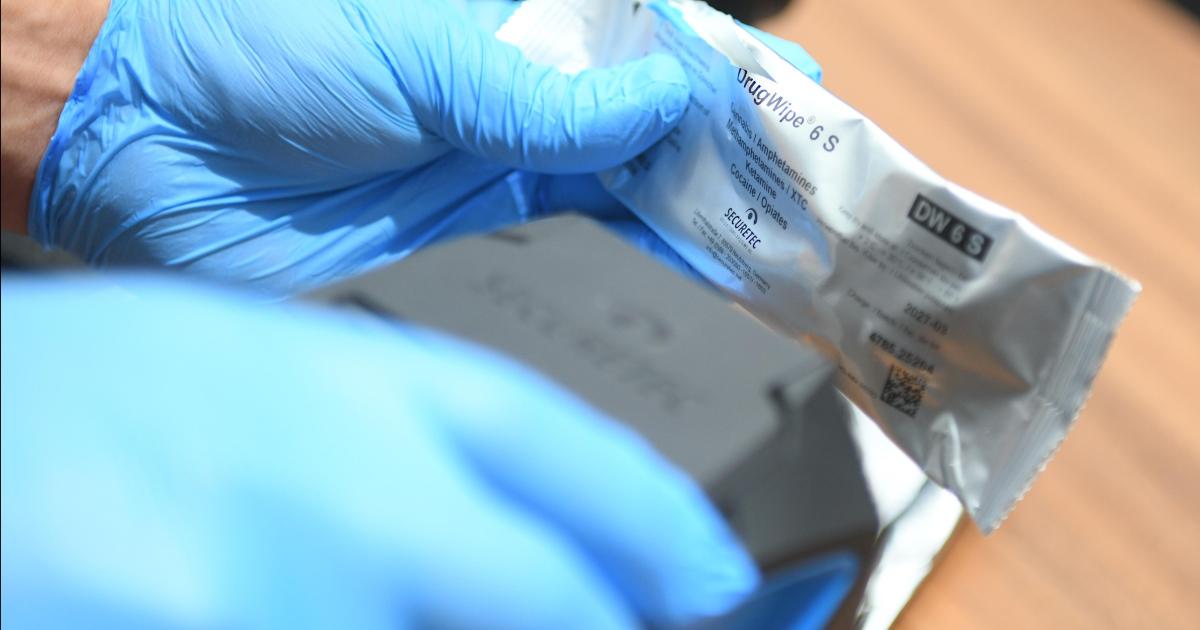
Doctors, FSWS want cannabis driving limits instead of zero tolerance
https://timesofmalta.com/article/doctors-fsws-want-cannabis-driving-limits-instead-zero-tolerance.1116017
Posted by gurdijak

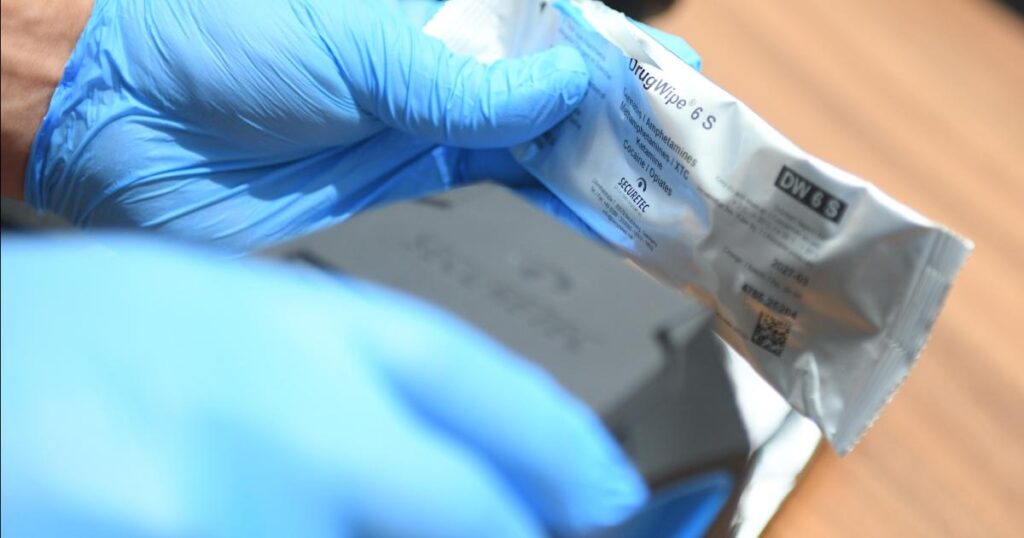
Doctors, FSWS want cannabis driving limits instead of zero tolerance
https://timesofmalta.com/article/doctors-fsws-want-cannabis-driving-limits-instead-zero-tolerance.1116017
Posted by gurdijak
2 Comments
Firsr we decriminilze, then we reap the consequences and THEN we think about legislation. Classic Malta move.
>Roadside drug testing plans should be amended to introduce legal limits for cannabis instead of a zero-tolerance approach, a joint report by the government’s social services provider and two medical associations advises.
>As it stands, the government’s proposed drink-drug driving bill penalises anyone caught with cannabis in their system, irrespective of the amounts detected in the body.
>Cannabis is legal for both recreational and medical use in Malta and several stakeholders, including cannabis regulator ARUC, have argued that this procedure is flawed, as traces of cannabis can be detected in the body even when a driver is not impaired.
>A joint report by the Foundation for Social and Welfare Services, Doctors for Road Safety and the Maltese Association of Psychiatry makes similar recommendations.
>It advises the government to follow in the footsteps of other countries where cannabis has been legalised or decriminalised, and introduce a legal limit of 0.6 to 3 nanograms per millilitre of blood.
>However, the report says there should be a zero-tolerance approach to drugs that are outright illegal, such as cocaine. Any presence of these drugs in the system should be considered an offence, the document says.
>For cases where a drug could be illegal but also acquired legally via a prescription (e.g. opiates, amphetamines and benzodiazepines), drivers must show that they are not impaired while driving, the document suggests.
>The government recently announced its plans to start random roadside testing for drink and drug driving. It also intends to introduce mandatory prison sentences for behind-the-wheel manslaughter if the driver was over the alcohol limit or had drugs in their system.
>In comments to Times of Malta last week, Home Affairs Minister Byron Camilleri said the government is not planning to change existing limits for drink or drug driving.
>Across Europe, cannabis-driving limits vary: the Netherlands permits up to 3 nanograms per millilitre of blood, Belgium, Ireland and Denmark allow up to 1 ng/ml, while France, Italy and Spain completely prohibit driving if there is detectable THC in one’s bloodstream.
>Germany has Europe’s most permissive cannabis-driving laws, allowing up to 3.5 ng/ml before a driver is considered impaired.
>When they introduced that limit last year, German authorities argued that the permissible limit of cannabis in the bloodstream is the impairment equivalent to 20 milligrams of alcohol per 100 millilitres of blood (roughly a small beer).
This is a sensible approach to me. Most of all it’s only fair. It makes zero sense to allow a limit of 1 legal drug and not have a limit for another legal drug.
I think they should go a step further. Reduce the legal THC limit if a person is also drinking. Apart from the fact that you should only take 1 substance at once, mixing can be much more dangerous and unpredictable. That being said, if you have some weed in your system from yesterday, drinking 1 beer (as allowed by the law) today will most likely not impair you unless your alcohol tolerance is already super low.
One point brought up in the report on what approach authorities should take:
>Cannabis (THC-tetrahyrdocannabinol): if roadside OFT is positive, an impairment test is done. If this is positive, then the driver will be immediately required to undergo a blood test and if the acceptable limit (as defined by law) is exceeded, an offence is deemed to have been committed. If the limit is not exceeded, or the impairment test is negative, no offence will be recorded.
This is reasonable and I think a good approach. My only small concern is uninformed police officers who don’t understand how weed works would do field sobriety tests then claim the driver failed. It further emphasizes that we need to train our cops and ensure we have a proper testing system sorted out.