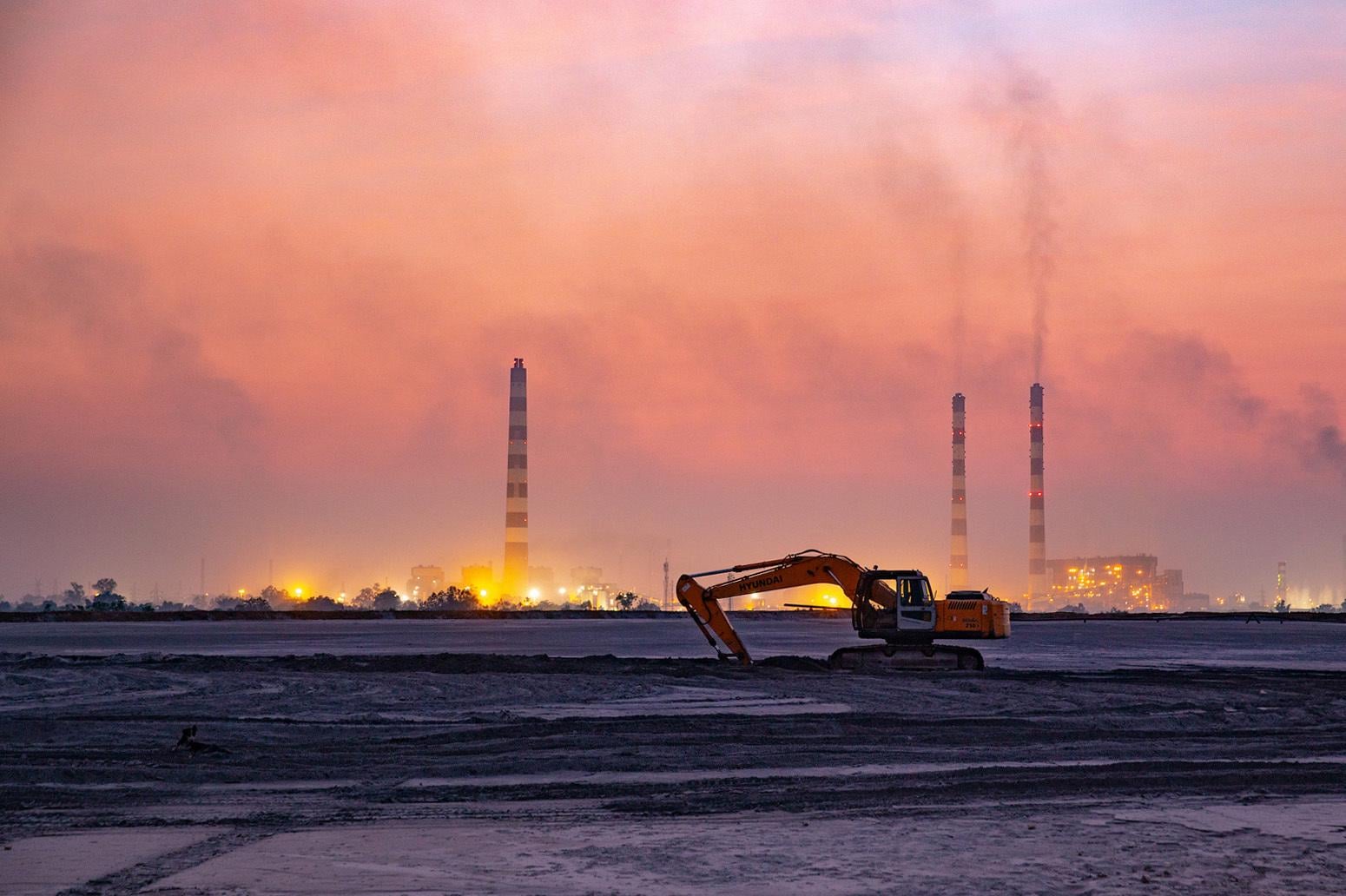
Analysis: India’s power-sector CO2 emissions begin to decline as renewable energy surges
Analysis: India’s power-sector CO2 falls for only second time in half a century

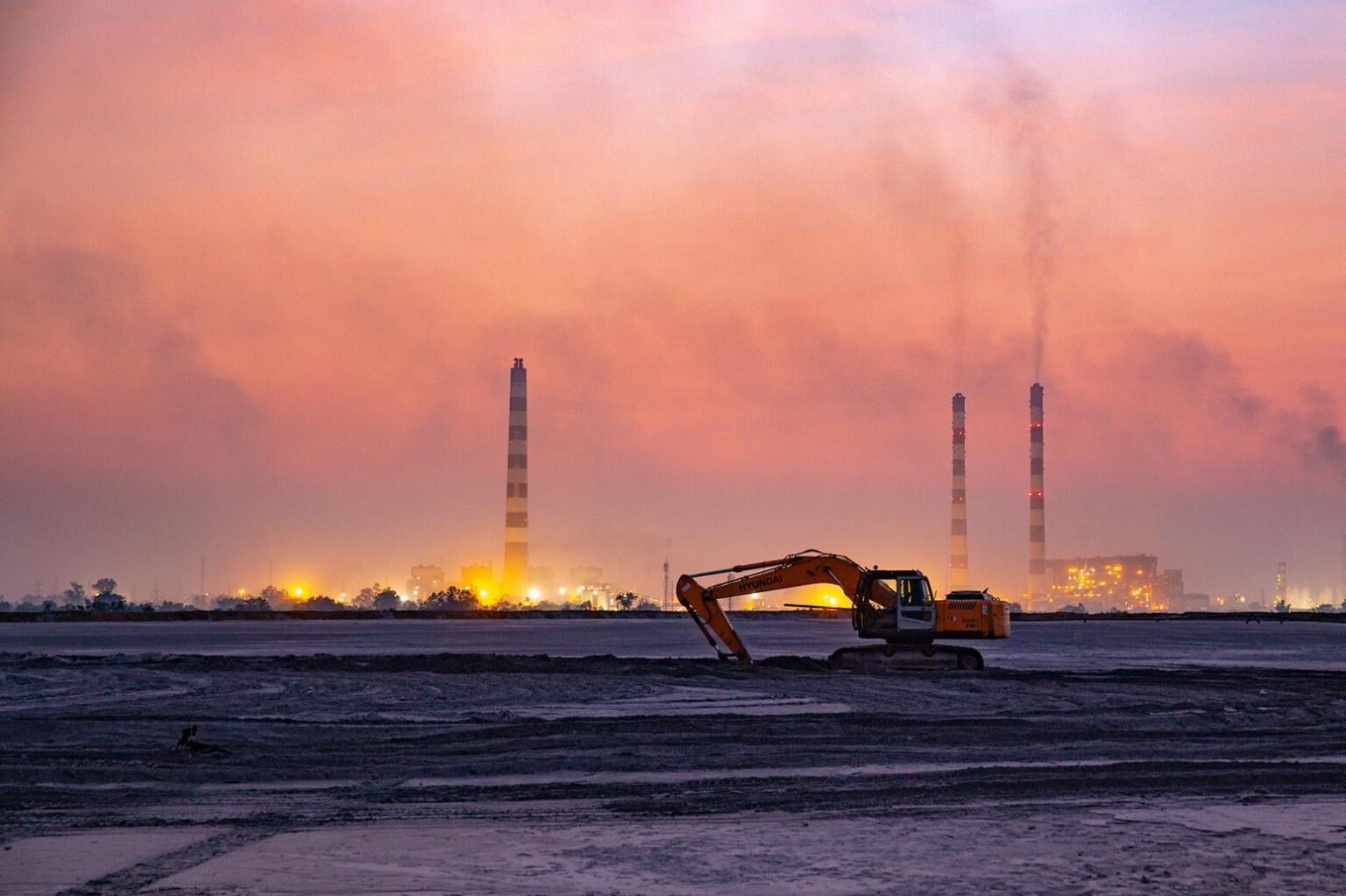
Analysis: India’s power-sector CO2 emissions begin to decline as renewable energy surges
Analysis: India’s power-sector CO2 falls for only second time in half a century
1 Comment
“India’s carbon dioxide (CO2) emissions from its power sector fell by 1% year-on-year in the first half of 2025 and by 0.2% over the past 12 months, only the second drop in almost half a century.
As a result, India’s CO2 emissions from fossil fuels and cement grew at their slowest rate in the first half of the year since 2001 – excluding Covid – according to new analysis for Carbon Brief.
At the same time, The growth in clean-energy capacity reached a record 25.1 gigawatts (GW), up **69% year-on-year** from what had, itself, been a record figure.
More than half of India’s CO2 output comes from coal used for electricity and heat generation, making this sector the most important by far for the country’s emissions.
Looking beyond this year, the analysis shows that CO2 from India’s power sector could peak before 2030, having previously been the main driver of emissions growth.
In 2021, India set a target of having 500GW of non-fossil power generation capacity in place by 2030. Progress was slow at first, so meeting the target implies a substantial acceleration in clean-energy additions.
The country has been laying the groundwork for such an acceleration.
There was 234GW of renewable capacity in the pipeline as of April 2025, according to the Ministry of New and Renewable Energy. This includes 169GW already awarded contracts, of which 145GW is under construction, and an additional 65GW put out to tender. There is also 5.2GW of new nuclear capacity under construction.
If all of this is commissioned by 2030, then total non-fossil capacity would increase to 482GW, from 243GW at the end of June 2025, leaving a gap of just 18GW to be filled with new projects.
In the CEA’s projection, the share of non-fossil power generation rises to 44% in the 2029-30 fiscal year, up from 25% in 2024-25. From 2025 to 2030, power demand growth, averaging 6% per year, is entirely covered from clean sources.
In July of this year, it met a 2030 target for 50% of installed power generating capacity to be from non-fossil sources, five years early.”