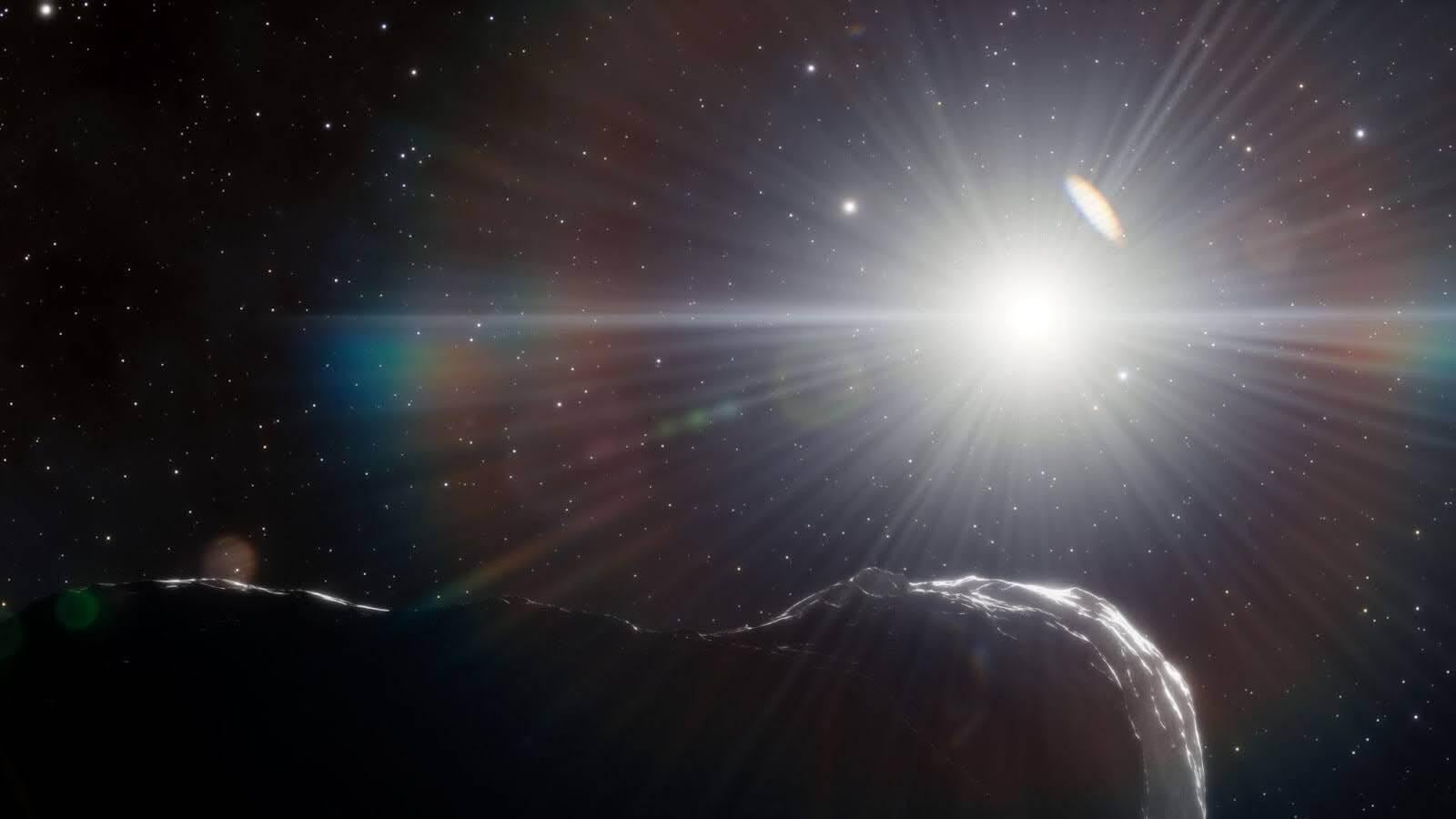
Earth’s next ‘mini-moon’ could create a gold rush for asteroid miners
https://www.space.com/astronomy/earth/earths-next-mini-moon-could-create-a-gold-rush-for-asteroid-miners

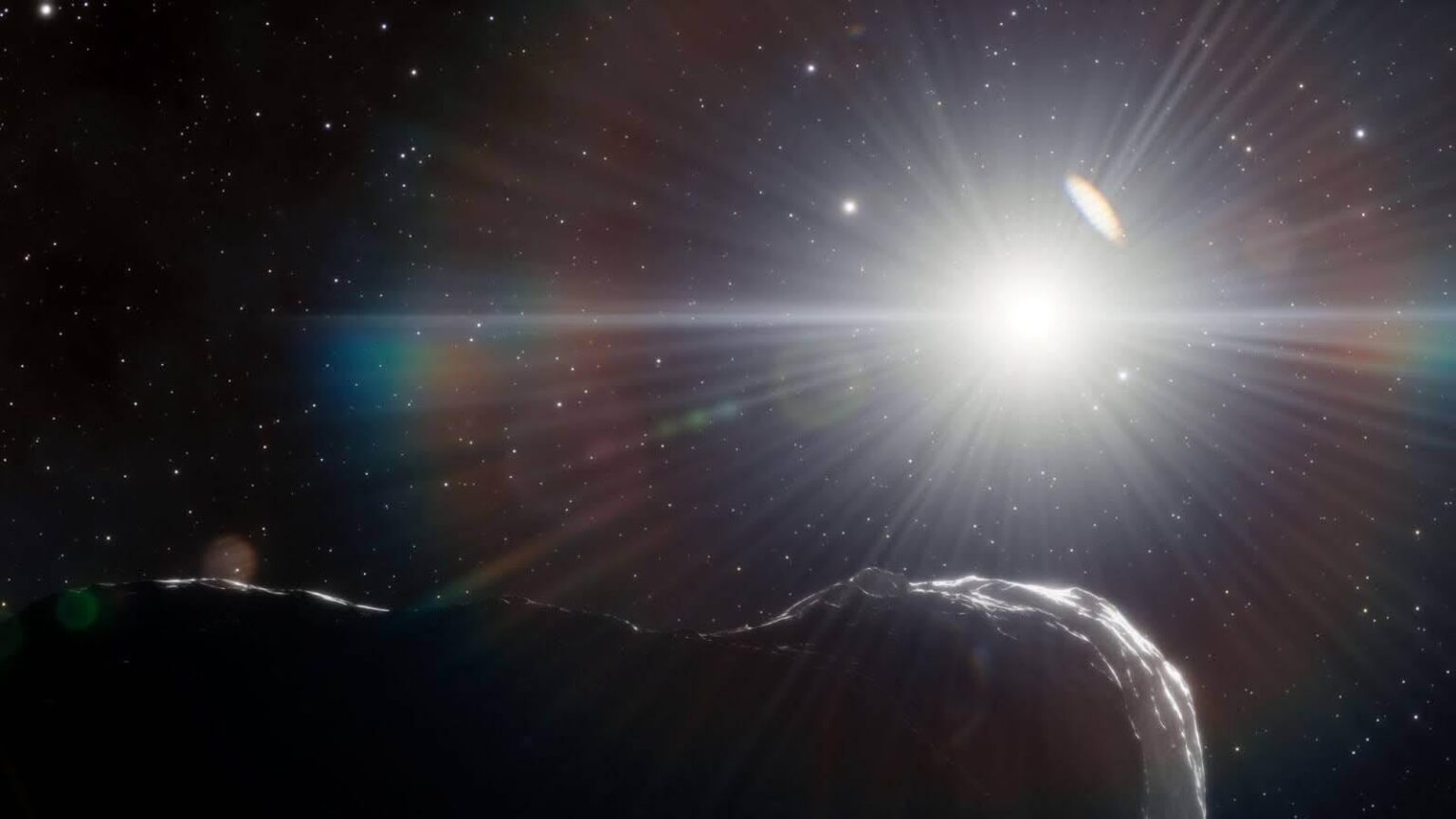
Earth’s next ‘mini-moon’ could create a gold rush for asteroid miners
https://www.space.com/astronomy/earth/earths-next-mini-moon-could-create-a-gold-rush-for-asteroid-miners
7 Comments
Submission statement (from the article):
>Almost a year ago, the space science community watched as an asteroid entered Earth’s orbit and circled above our heads for almost two months before departing. Scientists usually track such asteroids because of the risk they pose for life on Earth. But although they can pose a threat to our planet, asteroids are also potentially worth many billions of dollars because of the precious metals they contain. This is why space entrepreneurs and scientists are gearing up for the next asteroid visit, with the aim of capturing future space rocks and mining them.
>Most asteroids orbit the sun within rings between Mars and Jupiter known as the asteroid belts. And importantly, some of those asteroids are full of metals that could be used to make laptops and smartphones; metals such as platinum, cobalt, iron, and even gold. NASA once calculated that the metals in these asteroids could be worth $100 million for every person on Earth, and mining even just 10 of the most profitable asteroids could yield up to $1.5 trillion.
>**A major question remains: Can we access these metals?**
Strip mine astroids, not national parks. We have the technology but lack the will. The US proved with the moon landing that we can do incredible things in space if we are willing to commit just a fraction of the budget to it. Imagine what the power of the world economy could do up there.
I have a feeling nearly all human expenditures of capital from like 2075 to 2500 will be completely tied up in resource extraction from asteroids.
I bet $2 that they crash it into Earth and wipe out a city.
As a comparison to mining asteroids, consider this:
The ocean has about $700 trillion (that’s $700,000 billion) worth of gold. Why hasn’t this been exploited? Because the cost of mining it is far greater than its value.
I suspect the same will be true of most asteroids – the cost to build the hundreds (thousands?) of spacecraft need to get to promising asteroid (which will be one of hundreds (thousands?) of asteroids within a reasonable range), design purpose-built mining and extracting equipment, get it back to earth – and all the ancillary equipment needed for such an endeavor, will likely be far greater than the value of the resources mined.
A: The prequel to Dead Space.
B: The Wild Space West.
“”We would fly out to it, capture it, and put it in a very stable orbit with a very small amount of rocket propellant. Then we have a permanent resource in space that we own.”
The big lie here the very small amount of rocket propellant.
To move 1 kg of mass from L5, a nice safe, stable orbit and a good place to process space rocks, takes about 27 kg of propellant. Symmetry tells us that that is close to amount needed to slow down such asteroids.
Getting propellant from Earth’s surface to where you want it would take about 20 kg of propellant per usable kg at the point of use.
So we are looking at a 50 to 1 ratio of propellant to asteroid mass.
So, a really small amount? Seriously or pure bullshit?
Interesting, if completely mindless, times.