NASA’s Webb telescope gets a never-before-seen look at how moons could form on exoplanets
https://www.usatoday.com/story/news/nation/2025/09/30/exoplanet-nasa-moons-form/86423784007/

NASA’s Webb telescope gets a never-before-seen look at how moons could form on exoplanets
https://www.usatoday.com/story/news/nation/2025/09/30/exoplanet-nasa-moons-form/86423784007/
1 Comment
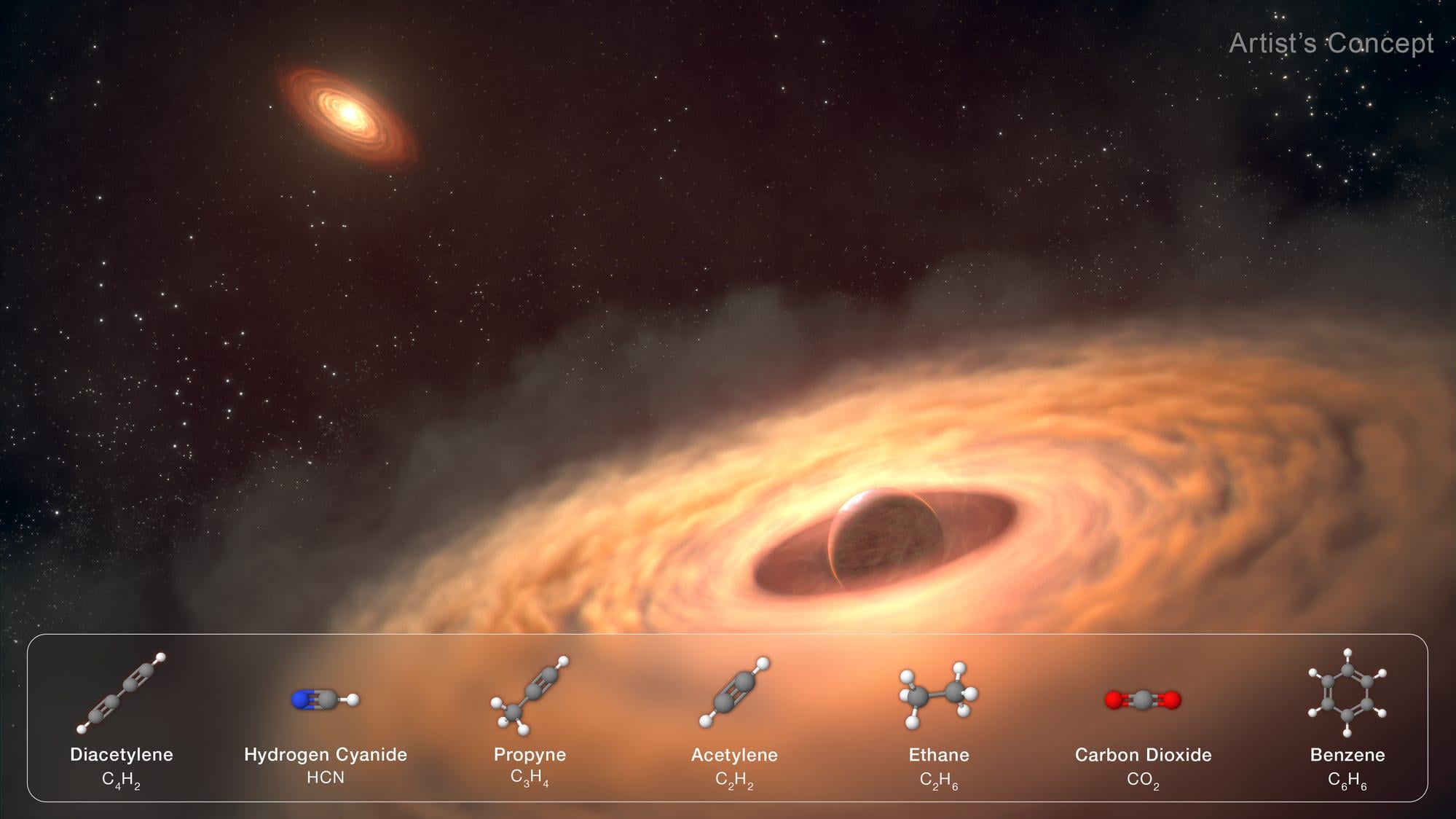
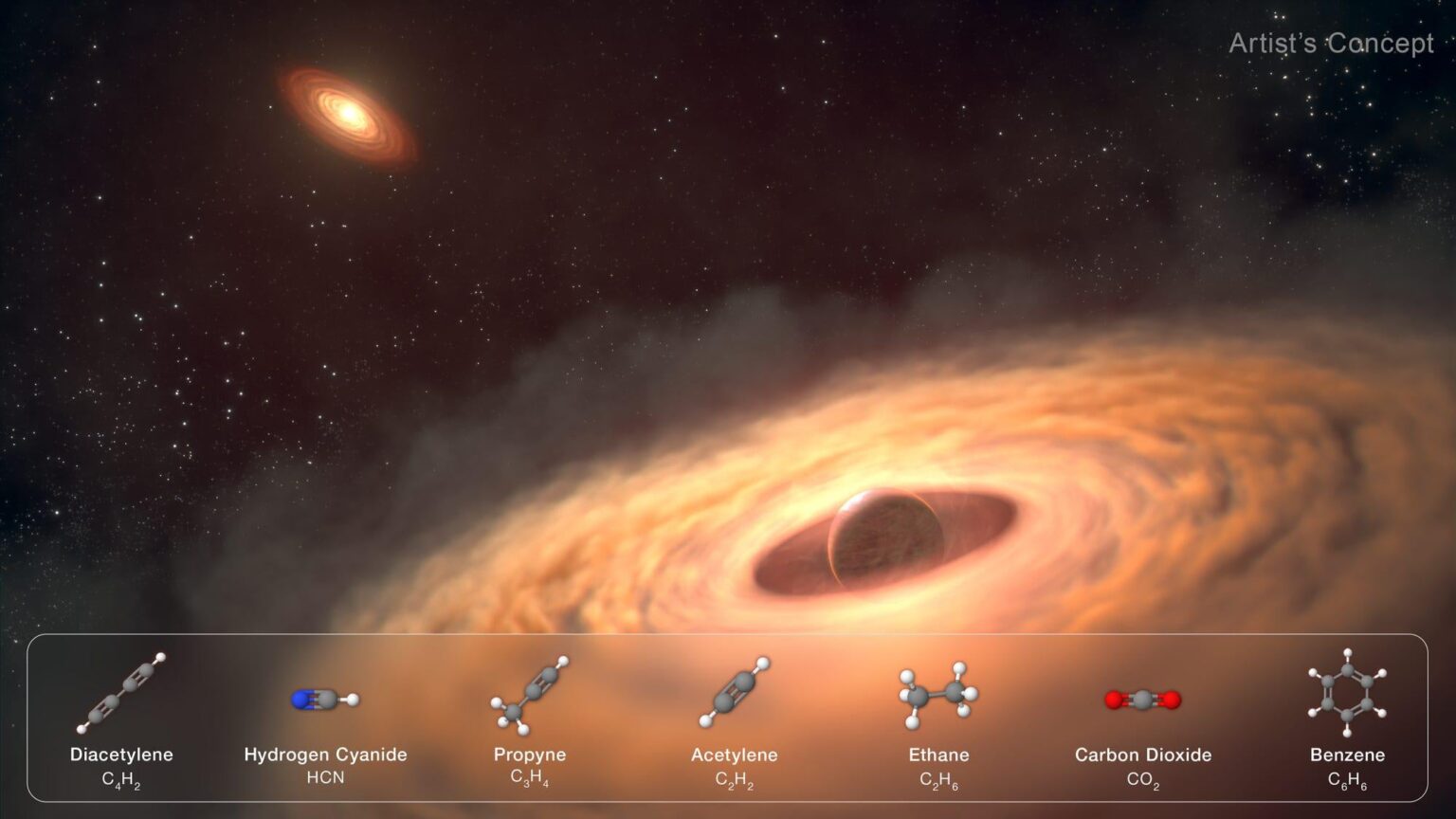
Scientists have gotten a never-before-seen look at an area around a large exoplanet 625 light-years away where moons like the one orbiting Earth could potentially form.
Using data from NASA’s James Webb Space Telescope, a team of researchers were able to study the chemistry surrounding a world called CT Cha b. Though no moons have yet been detected in this particular cosmic region, the carbon-rich disk circling the planet is “a possible construction yard for moons,” NASA said in a blog post highlighting the discovery.
Because the disk and the material it’s accreting is not unlike what is theorized to have given birth to Jupiter’s four famous [Galilean moons](https://www.planetary.org/articles/what-are-jupiters-galilean-moons#:~:text=Although%20Jupiter%20has%20at%20least,are%20collectively%20the%20Galilean%20moons.), the team suggested further study will help the world’s astronomers better understand planet and moon formation in our solar system and beyond into the Milky Way galaxy.